


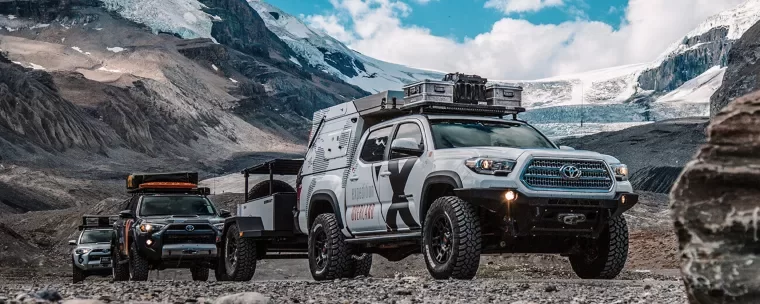


Why Ground Tents Are Perfect for Overlanding

By Cowboy Denny in Gear
· 116 views
Ground tents are often overlooked in the overlanding world, where rooftop systems get most of the attention. But for many adventurers, a well-designed ground tent is not just a viable option—it’s the perfect one. Below is a complete article-style breakdown (with visuals and product comparisons) explaining why.
Ground tents are often overlooked in the overlanding world, where rooftop systems get most of the attention. But for many adventurers, a well-designed ground tent is not just a viable option—it’s the perfect one. Below is a complete article-style breakdown (with visuals and product comparisons) explaining why.
Overlanding is about freedom, mobility, and self-reliance. While rooftop tents (RTTs) have become popular, ground tents remain a foundational choice—and for good reason.
1. Freedom From Your Vehicle
One of the biggest advantages of ground tents is independence. With a rooftop tent, your sleeping setup is tied to your vehicle. If you want to explore trails, grab supplies, or scout terrain, you must pack everything down first.
Ground tents allow you to:
Set up a basecamp
Leave your gear behind securely
Freely explore with your vehicle
This flexibility is a major advantage for longer trips or multi-day stays.
2. Cost-Effective Without Sacrificing Performance
Compared to rooftop tents (often $1,000–$4,000+), ground tents are significantly more affordable while still offering durability and weather resistance.
Even high-end overland ground tents typically cost:
$300–$1,200 vs. thousands for RTTs
That cost difference allows you to invest in:
Better sleep systems
Cooking gear
Recovery equipment
3. No Impact on Vehicle Performance
Roof tents add weight, wind drag, and raise your center of gravity. Ground tents eliminate those issues entirely.
Benefits include:
Better fuel economy
Safer off-road handling
No height clearance issues (garages, trails)
4. More Space and Comfort
Ground tents often provide:
Larger floor space
Higher ceilings
Room for cots, storage, and even standing
For families or longer trips, this added livability is a major advantage.
5. Setup Is No Longer a Hassle
Modern overland ground tents—especially hub-style designs—can be deployed in seconds.
For example:
 Gazelle T4 Hub Tent uses a pop-up hub system for near-instant setup
 Overlandish Basecamp Hub Tent offers quick deployment with rugged materials
This eliminates one of the traditional downsides of ground tents.
Ground Tent Drawbacks (Honest Perspective)
Ground tents aren’t perfect. Key limitations include:
Exposure to mud, water, and uneven terrain
More interaction with bugs and wildlife
Requires finding a suitable campsite surface
However, many overlanders mitigate these with:
Ground tarps or mats
Elevated cots
Smart site selection
Overlandish vs Gazelle Tents (Head-to-Head Comparison)
To understand how ground tents vary, let’s compare two popular overlanding brands: Overlandish (premium rugged builds) and Gazelle (fast-deploy hub tents).
Featured Models
Overlandish Basecamp Tent
Gazelle T4 Overland Hub Tent
Product Comparison Table
Attribute | Overlandish Basecamp V2 Tent | Gazelle T4 Overland Edition Hub Tent |
|---|---|---|
Setup Speed | Moderate (traditional or semi-rigid setup) | Extremely fast (hub pop-up design) |
Durability | Heavy-duty, expedition-grade materials | Durable but lighter-weight |
Weather Resistance | Excellent (built for harsh environments) | Very good (3-season capable) |
Weight & Portability | Heavier, bulkier (weighs roughly 62 lbs) | Lighter, easier to transport (weighs roughly 34 lbs) |
Packed Dimensions | 15" x 15" x 59" long | 8" x 8" x 66.5" to 68" |
Interior Space | Spacious, basecamp-oriented | Spacious with vertical walls |
Best Use Case | Long-term camps, rugged expeditions | Quick stops, frequent moves |
Price Range | Premium (~$1,000+) | Mid-range (~$400–$600) |
Pros and Cons Summary
Overlandish Tents
Pros
Built for extreme durability
Ideal for long-term basecamp setups
Premium materials and construction
Cons
Heavier and less portable
Slower setup
Higher price point
Gazelle Tents
Pros
Lightning-fast setup (hub design)
Easy to transport and store
Great balance of durability and cost
Cons
Not as rugged as expedition-grade tents
Bulkier when folded compared to backpacking tents
Slightly less weather resistance in extreme conditions
Final Verdict: Which Should You Choose?
Choose Overlandish if your trips involve:
Extended stays
Harsh environments
A dedicated basecamp setup
Choose Gazelle if you prioritize:
Speed and convenience
Frequent movement between camps
Simplicity and reliability
Bottom Line
Ground tents remain one of the smartest choices in overlanding because they offer freedom, affordability, and versatility. While rooftop tents look appealing, many experienced overlanders still rely on ground setups for their practicality and adaptability.
If your goal is to explore without limits, a high-quality ground tent might not just be the better option—it could be the best one.
Recommended Comments