




Reality Check for the Electric Revolution
Till recently, most major manufacturers were scrambling to get on the EV bandwagon with visions of a booming electric car market in the near future. Well, the future didn’t pan out quite as expected. Charging infrastructure has been found lacking, federal and state incentives for EVs have shrunk or vanished altogether with steep tariffs taking their place, and sales never hit the stellar levels that projections would have had us believe. As a result, several car makers have been forced to backtrack on their electrification plans, and a number of EV projects, both existing and in the works, are headed for the chopping block. Here are 10 once-promising EVs that we won’t see in 2026.
Acura
1. Acura ZDX
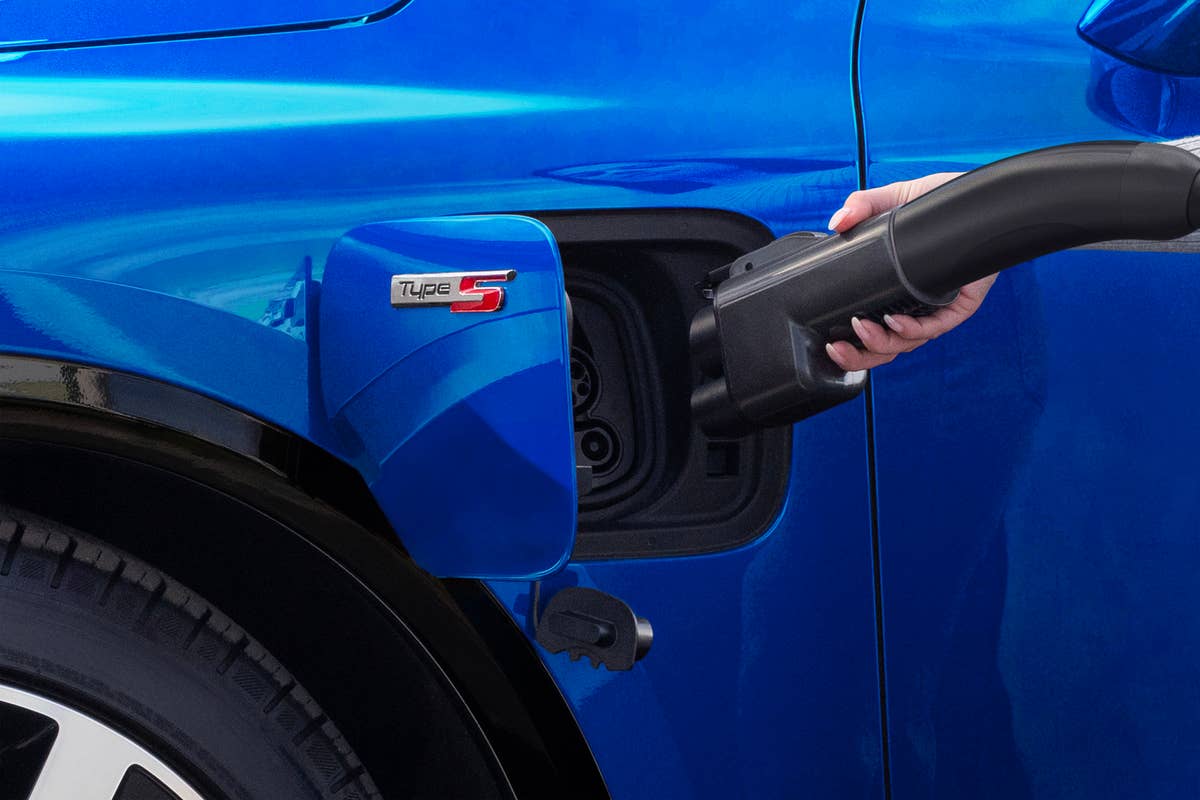
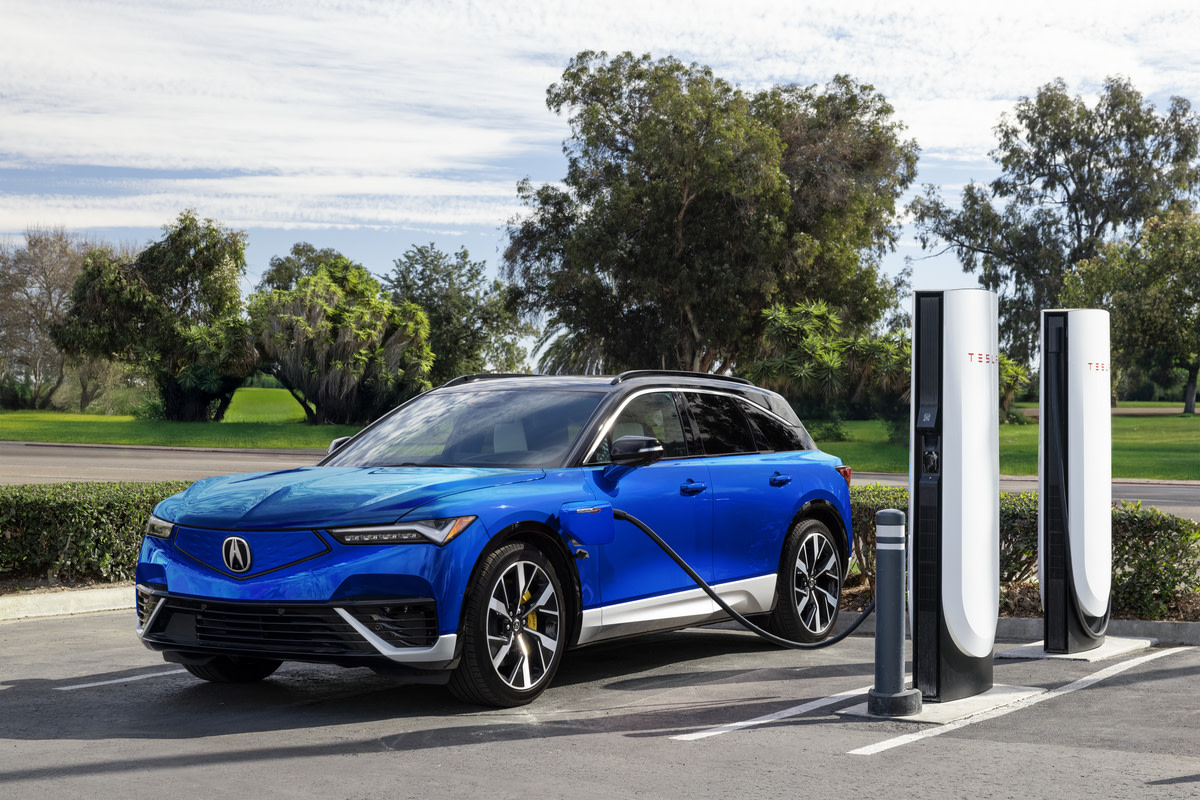
Acura, Honda’s luxury and performance division, finally announced its first EV in mid-2024 with the revival of the ZDX nameplate. Now, after just over a year in production and about 19,000 units sold, Acura has announced that the ZDX EV won’t make it to their 2026 lineup. Built in collaboration with GM at their Tennessee plant, Acura’s electric crossover SUV employs GM’s Ultium modular battery and electric platform that also underpins the Chevy Blazer EV and Cadillac Lyriq. Equipped with a 102kWh lithium-ion battery, the Acura ZDX EV can go about 300 miles between charges and is available in three variants, ranging in output from 358 to 500 hp
Acura
2. Nissan Ariya
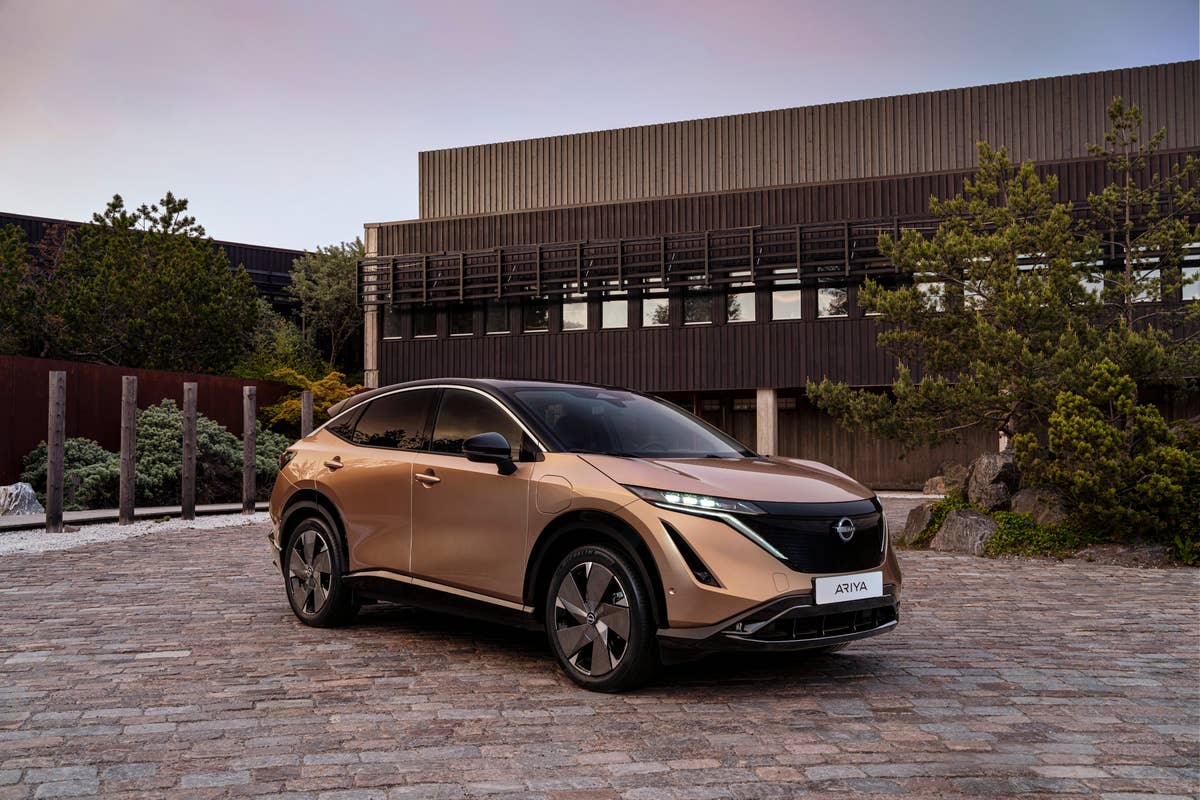
Nissan’s stylish Ariya arrived in 2022 as a fresh, design-forward EV offering; however, the Japanese brand recently confirmed that U.S. sales of the model will be ‘paused’ for 2026, with its long-term future still undecided. Despite its 289-mile claimed range, a polished driving experience, and respectable initial sales figures, the Ariya failed to make a major impact during its four-year run. Factors that impacted its success include slowing demand for EVs, rising U.S. tariffs on Japanese-built vehicles, and stiff competition from legacy as well as Chinese EV manufacturers. While we won’t see the Ariya in U.S. showrooms next year, Nissan is currently working on developing the next-generation Leaf EV, specifically for the U.S. market, so they’re not out of the game yet.
Nissan
3. Genesis Electrified G80
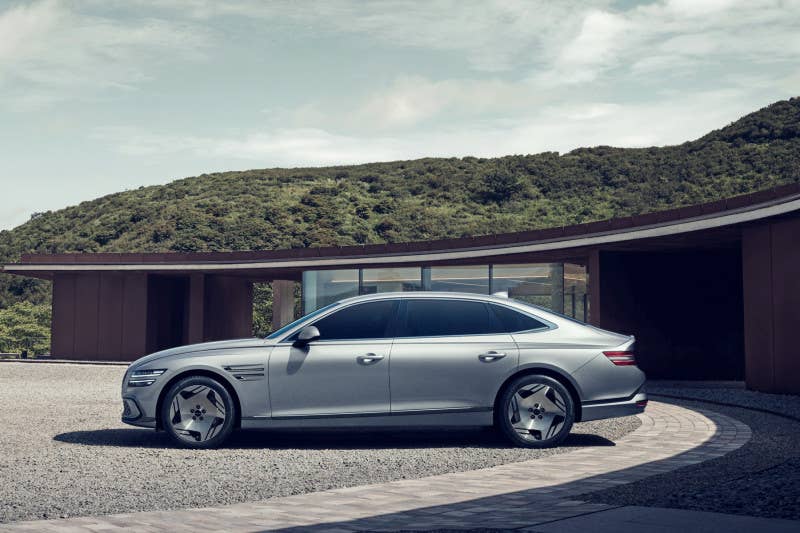
While it really is an excellent car, the Genesis Electrified G80 never really got the chance it deserved. Introduced in mid-2022 as the electric counterpart to the brand’s G80 midsize luxury sedan, it entered the U.S. market rather quietly and was only offered in a handful of states. Although it offered luxury and refinement levels to rival the best, it always found itself overshadowed by more established models from Mercedes-Benz, Tesla, and BMW, and couldn’t really carve out a space for itself in the segment. With around 282 miles of range and 385 horsepower, the Electrified G80 simply couldn’t match the flashier specs of EVs like the Tesla Model S, and with just around 1,800 units sold, it will not be making a comeback in 2026.
Genesis
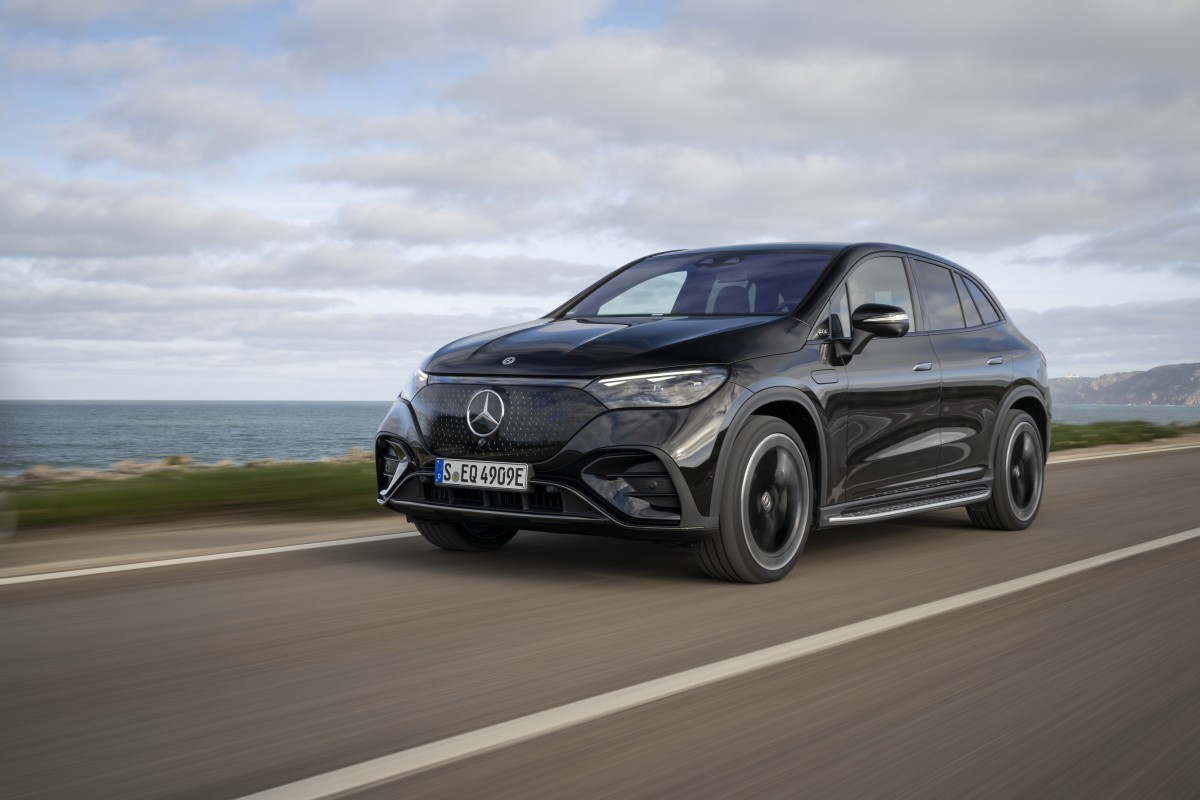
4. Mercedes-Benz EQE and EQS
Mercedes-Benz is hitting the brakes on its EV flagship duo, having recently confirmed that both the EQE and EQS sedans, along with their SUV versions, won’t return for 2026. Production for the U.S. market ceased on September 1, even as the models are set to continue in markets abroad. These cars never managed to scale the highs that Mercedes-Benz anticipated for them; their jellybean styling failed to resonate with traditional Mercedes buyers, the headline-grabbing Hyperscreen felt more like a party trick than a selling point, and the badge strategy left shoppers confused about where these EVs fit within the lineup. These factors, combined with cooling demand for EVs and steep tariffs on imported models, have spelled the end for the EQE and EQS.
Mercedes-Benz
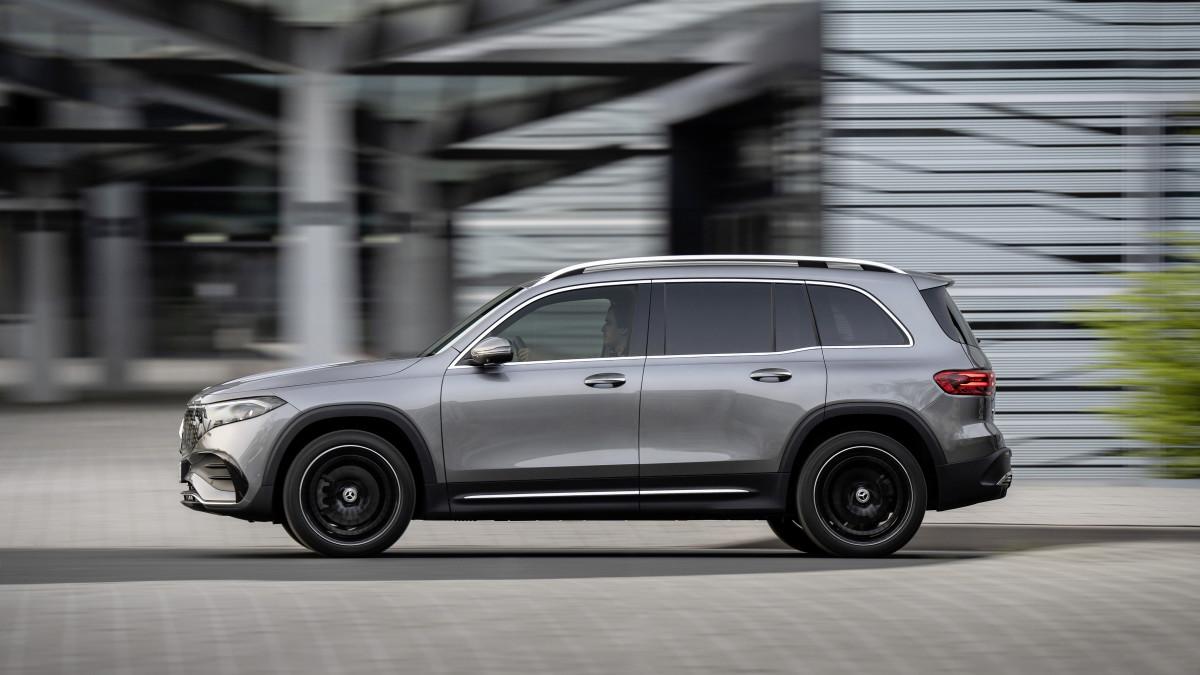
5. Mercedes-Benz EQB
Yes, there’s yet another discontinued Mercedes-Benz EV on our list. The German marque’s entry-level electric SUV entered the U.S. market in 2022 and is already set to make an unceremonious exit. Low sales, slow charging speeds, limited range, and ageing underpinnings are probably the most responsible for its lukewarm reception, and Mercedes-Benz has decided to take it off its EV lineup for 2026. Taking up the mantle of the most accessible and affordable Mercedes-Benz EV for the coming year will be the all-new CLA250+ with EQ Technology
Mercedes-Benz
6. Polestar 2
The Polestar 2 is another extremely capable electric sedan that has been forced out of the U.S. market by steep tariffs. Since its 2020 launch, the Polestar 2 has offered EV buyers a strong alternative to the Tesla Model 3, and it got even better after last year’s update introduced a bigger battery, faster charging times, 320-mile range, and a rear-drive layout. Sadly, however, the Polestar 2 is built in China and is now subject to tariffs that make it impossible to price competitively. The model still appears on the brand’s U.S. site, but only as a certified pre-owned option, signaling its quiet retreat.

Polestar
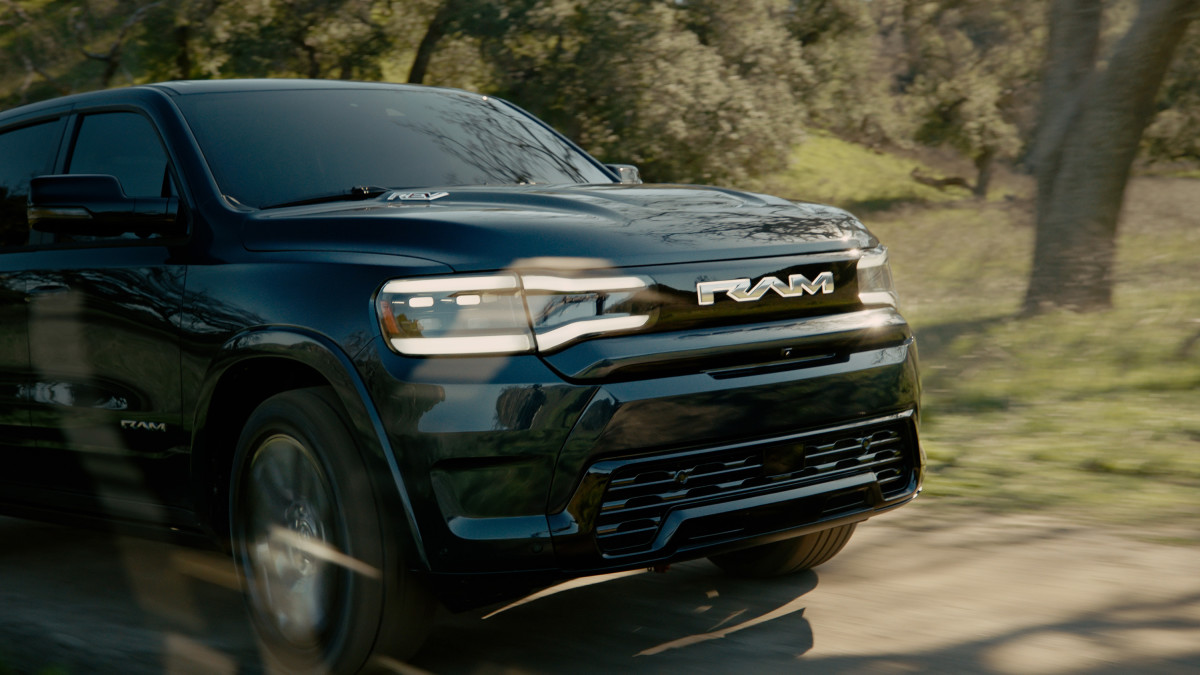
7. Ram 1500 REV
Ram’s electric pickup is the first EV on this list that was abandoned even before reaching production. The truck in question was first teased in 2021 as the Ram 1500 REV, with a proposed 2024 launch date. Its release was subsequently pushed back to 2026, then again to 2027, with the company finally confirming that their EV project has been shelved altogether. Instead of this full-electric vehicle, Ram has now shifted focus to a plug-in hybrid model, expected to be launched next year with the 1500 REV badge.
Ram
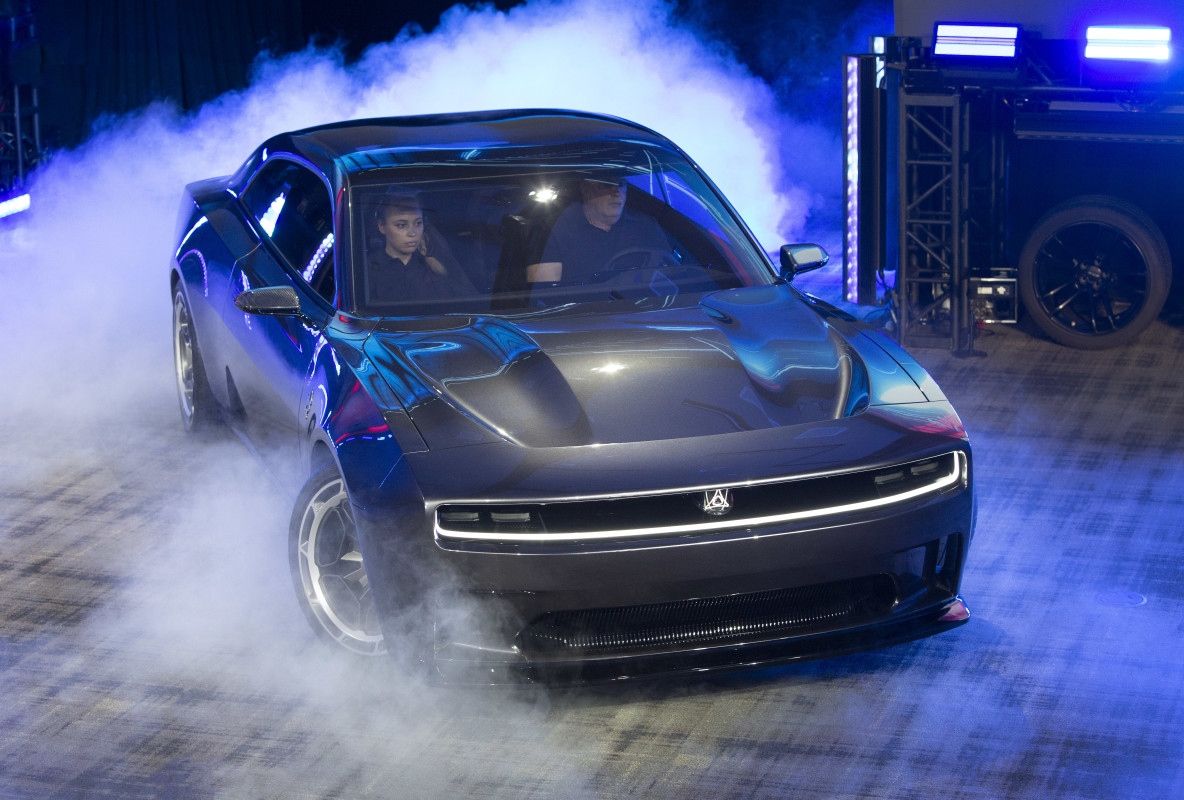
8. Dodge Charger SRT Daytona Banshee
The lukewarm response to the electric Dodge Charger Daytona launched last year should have been enough of an indicator that people weren’t really interested in a Charger that wasn’t powered by a rumbling V8. But that didn’t stop Dodge from announcing an ambitious 900-horsepower triple-motor flagship, due to hit the market in 2026. Insiders now say that the program has been shelved, although Dodge has yet to issue an official comment.
Dodge
9. Porsche ‘K1’
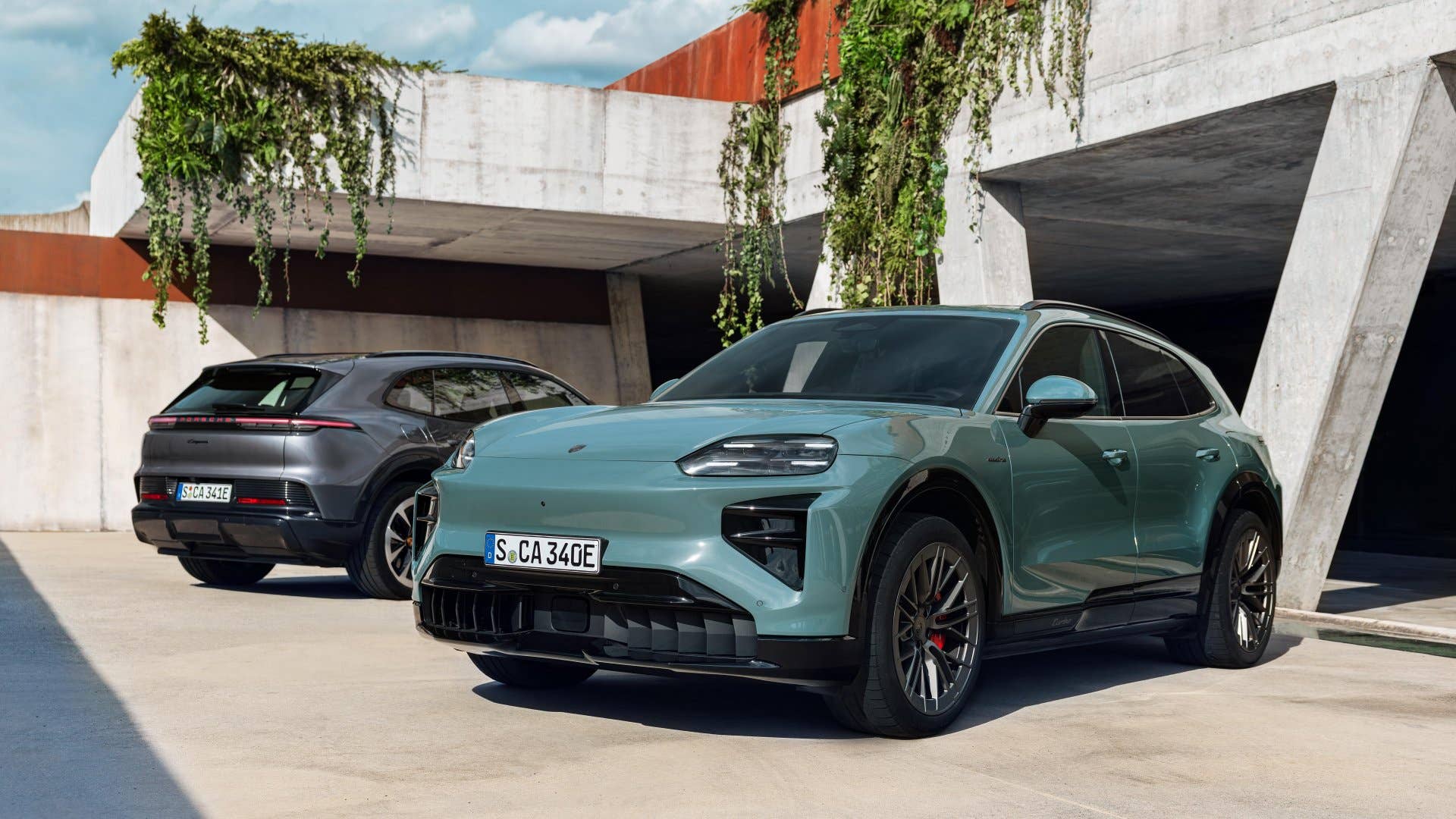
Another promised electric vehicle that won’t see the light of day anytime soon is Porsche’s new flagship SUV, which was expected by 2026 or 2027, and meant to sit above the Cayenne in Porsche’s lineup. While we will see the all-electric Cayenne next year, an electric version of the three-row flagship SUV, codenamed K1, has now been indefinitely delayed. Porsche has confirmed, however, that we will see internal combustion and plug-in hybrid versions in the near future.
Porsche
10. Maserati MC20 Folgore
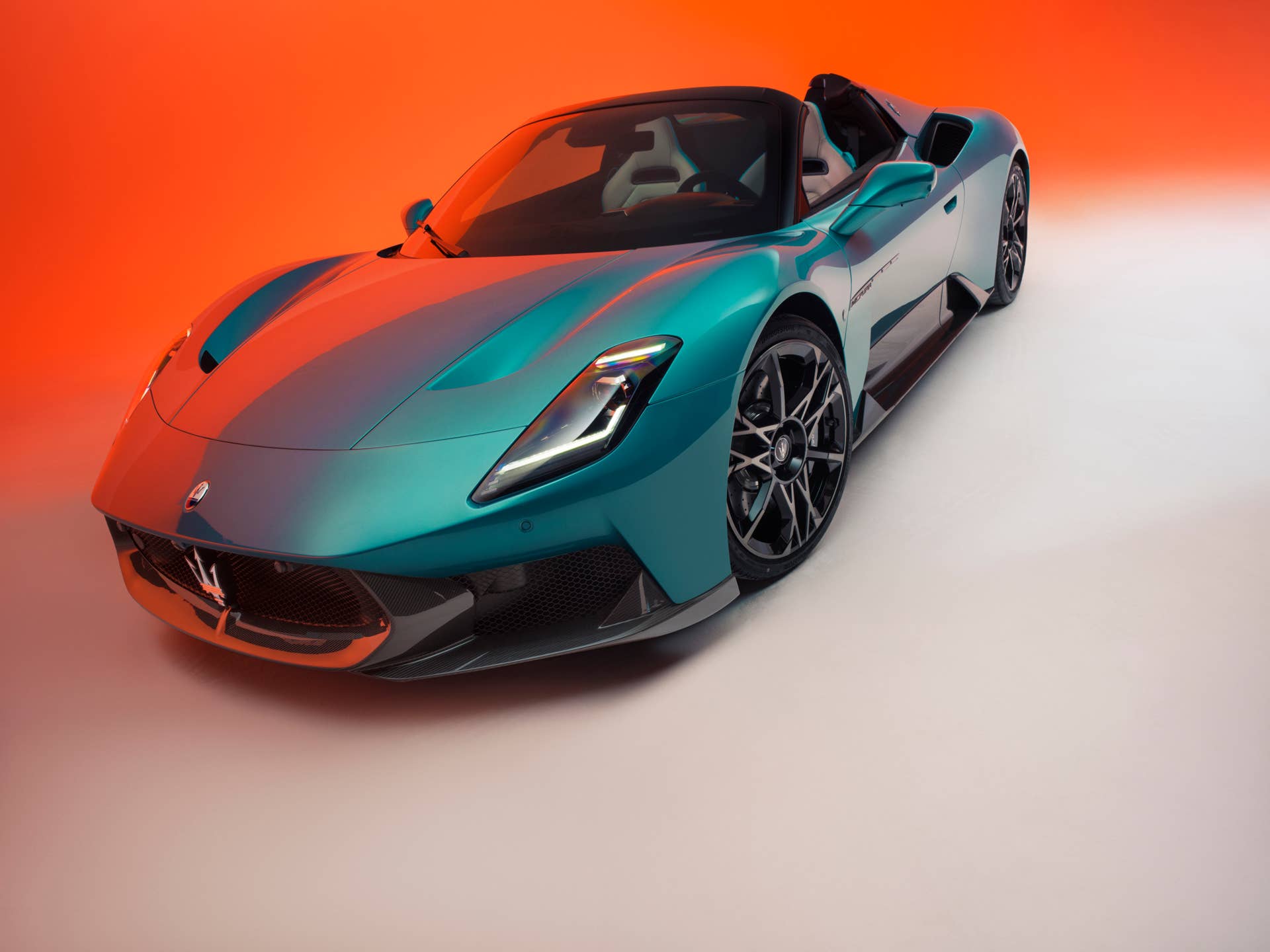
The MC20 was all set to join the marque’s Folgore line of performance EVs, but Maserati has now stepped away from plans to electrify their flagship supercar, shelving the project before it ever reached production. Instead, the Italian manufacturer updated the MC20 earlier this year, and it continues to be powered by the existing 3.0-liter twin-turbo V6 for the foreseeable future.
Maserati


There are no reviews to display.