




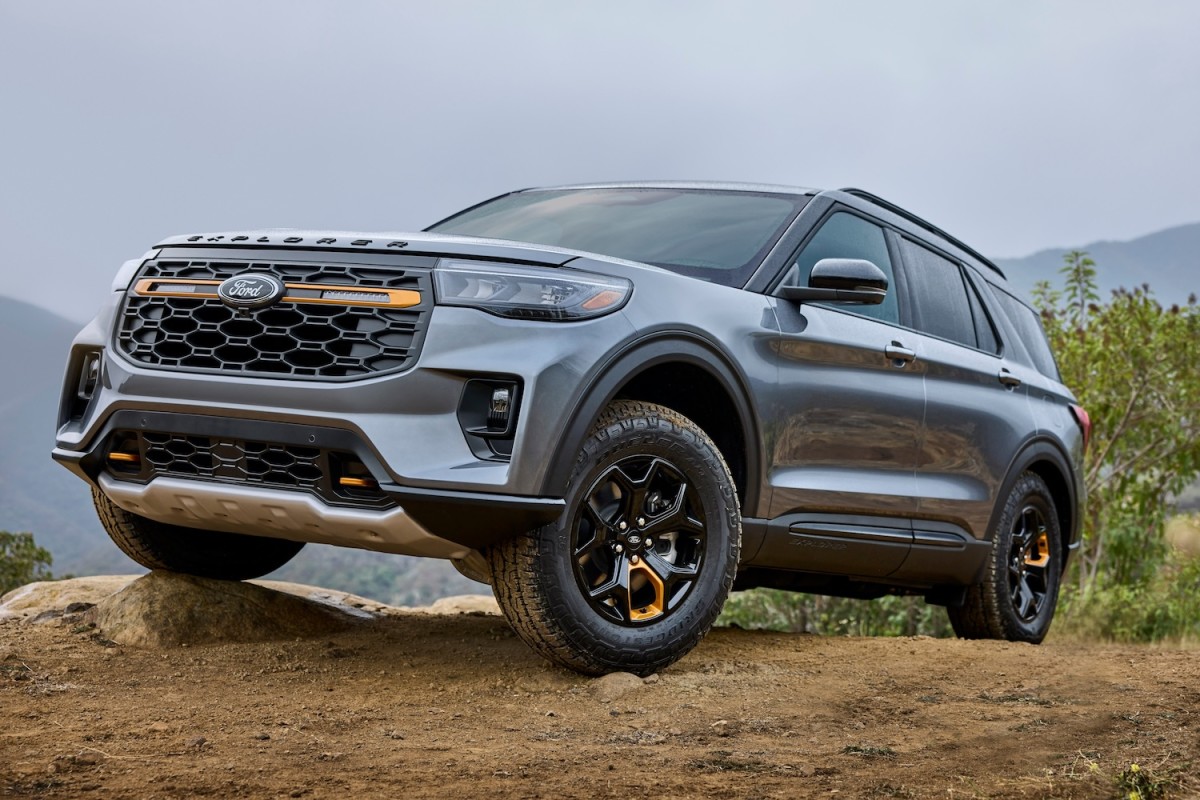
The best-selling three-row crossover in the U.S. last year was the Ford Explorer, with 222,706 units sold. The Explorer’s impressive power and comfortable ride have served it well, but the 2026 model is off to a bit of a rough start, having accumulated four separate recalls already. The latest one is potentially serious and involves the possibility of a windshield detachment in a crash. Fortunately, it seems Ford identified the issue before it spread to a large number of vehicles. Here’s what you need to know.
Inadequate Windshield Bonding To Blame
Ford
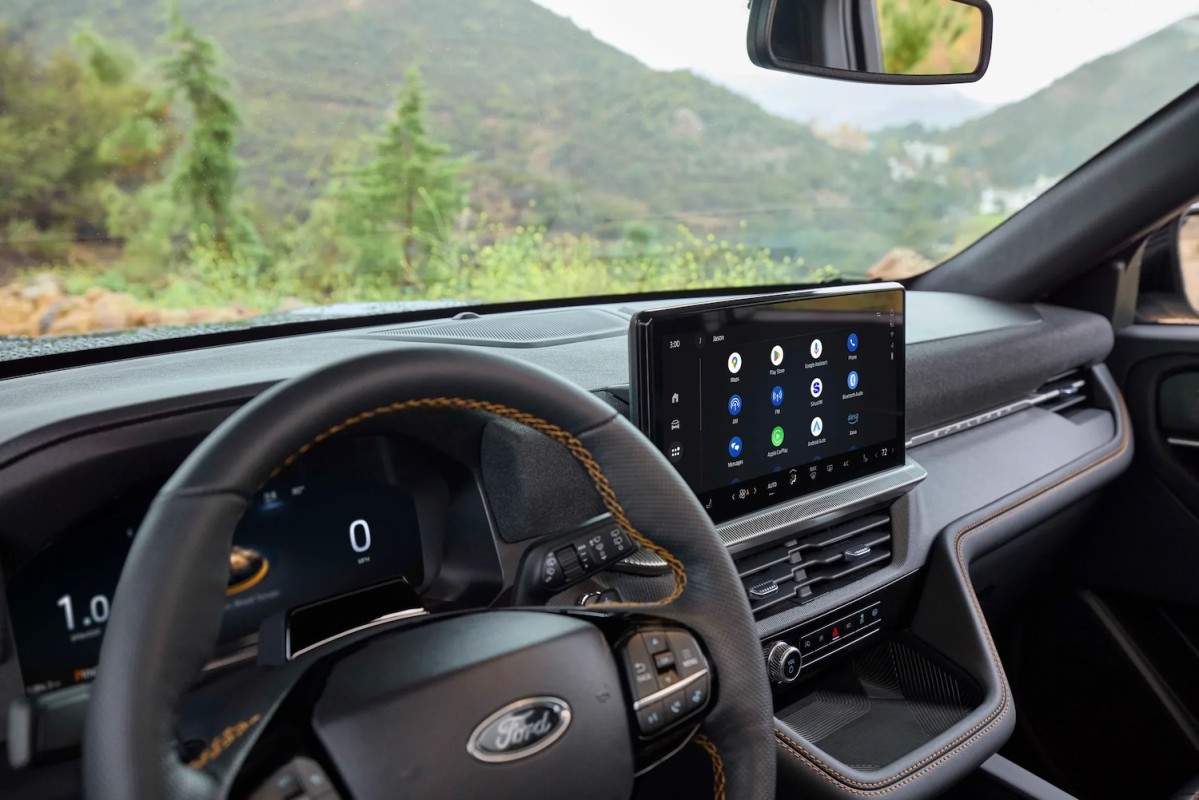
According to the recall notice published by the National Highway Traffic Safety Administration (NHTSA), some 2026 Explorer models have windshields with improperly applied urethane between the windshield glass and frame. The issue was discovered on an Explorer undergoing end-of-line testing at the company’s Chicago Assembly Plant in October 2025, with the problem eventually tracked to an equipment failure.
Detachment of a windshield in a crash can increase the risk of serious injury or death. This could severely impact the structural integrity of the vehicle, disrupt correct airbag deployment, or increase the chances of an unbelted occupant being thrown from the vehicle.
Ford
But Ford’s quick action isolated the windshield bonding issue to just eight Explorer models, and all affected windshields will be replaced at no cost to the customers. Owner letters were expected to have been mailed this week, on January 26, 2026.
This latest recall is the fourth for the 2026 Explorer. It was already recalled for a trail hitch assembly that could detach, windshield air bubbles that can obscure visibility, and an engine oil leak that could lead to a fire risk.
Related: Ford’s First Fire Risk Recall of 2026 Leaves Owners Waiting Months for a Fix
Ford’s Promised Quality Checks Limit Recall Size
Ford
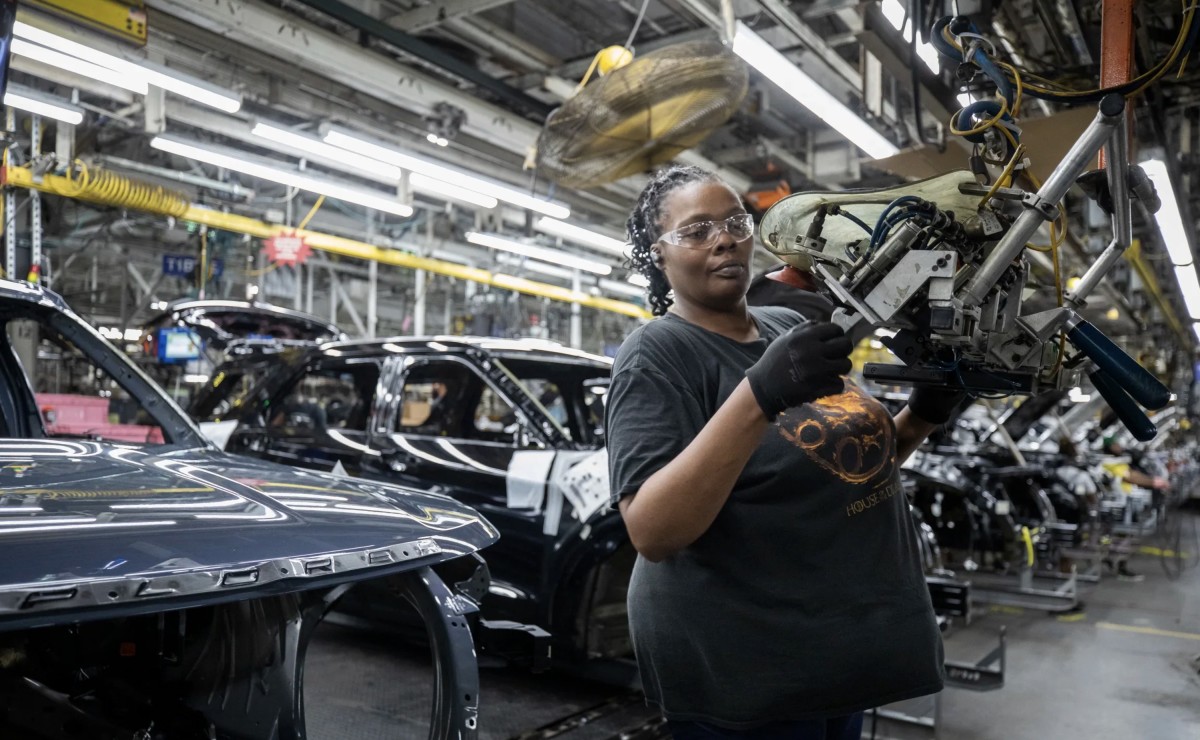
Although Ford has issued a higher-than-average number of recalls over the last few years, the company has been transparent about its more rigorous quality control processes and efforts to simplify its manufacturing processes. The high number of recalls also forms part of the Blue Oval’s efforts to address any and all quality issues promptly.
Last year, Ford said it was following Toyota’s lead in terms of improving vehicle quality, with one goal being to stop production immediately if any defects are detected. It appears that precisely this action was followed with the Explorer, which is why the windshield issue was prevented from spilling over to potentially thousands of vehicles.
“We are seeing clear results on our initial quality, all the internal data, as well as from third-party data,” said Kumar Galhotra, Ford’s chief operating officer, in an interview last year. “The early indicators [of Ford’s changes to fix quality] are very good.”
Last year, Ford CEO Jim Farley said its models’ powertrain durability was now competitive with Toyota’s, a particularly bold claim, given the Japanese brand’s reputation. We hope Ford’s efforts with quality control will soon be seen in fewer non-mechanical issues, too.
Related: Ford CEO Claims Powertrain Durability Now ‘Competitive With Toyota’ Despite Record Recalls


There are no reviews to display.