


Safety That Speaks for Itself
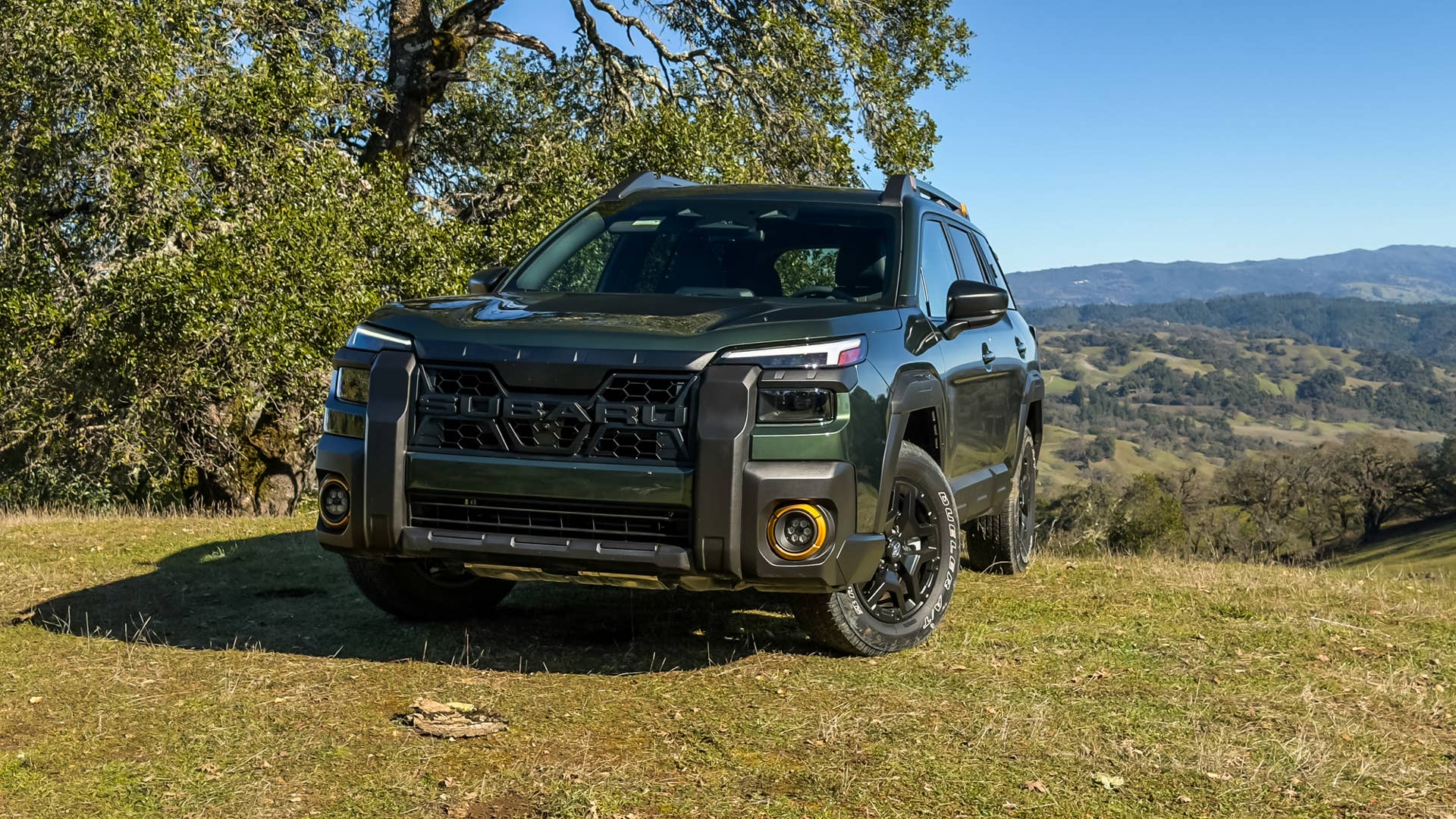
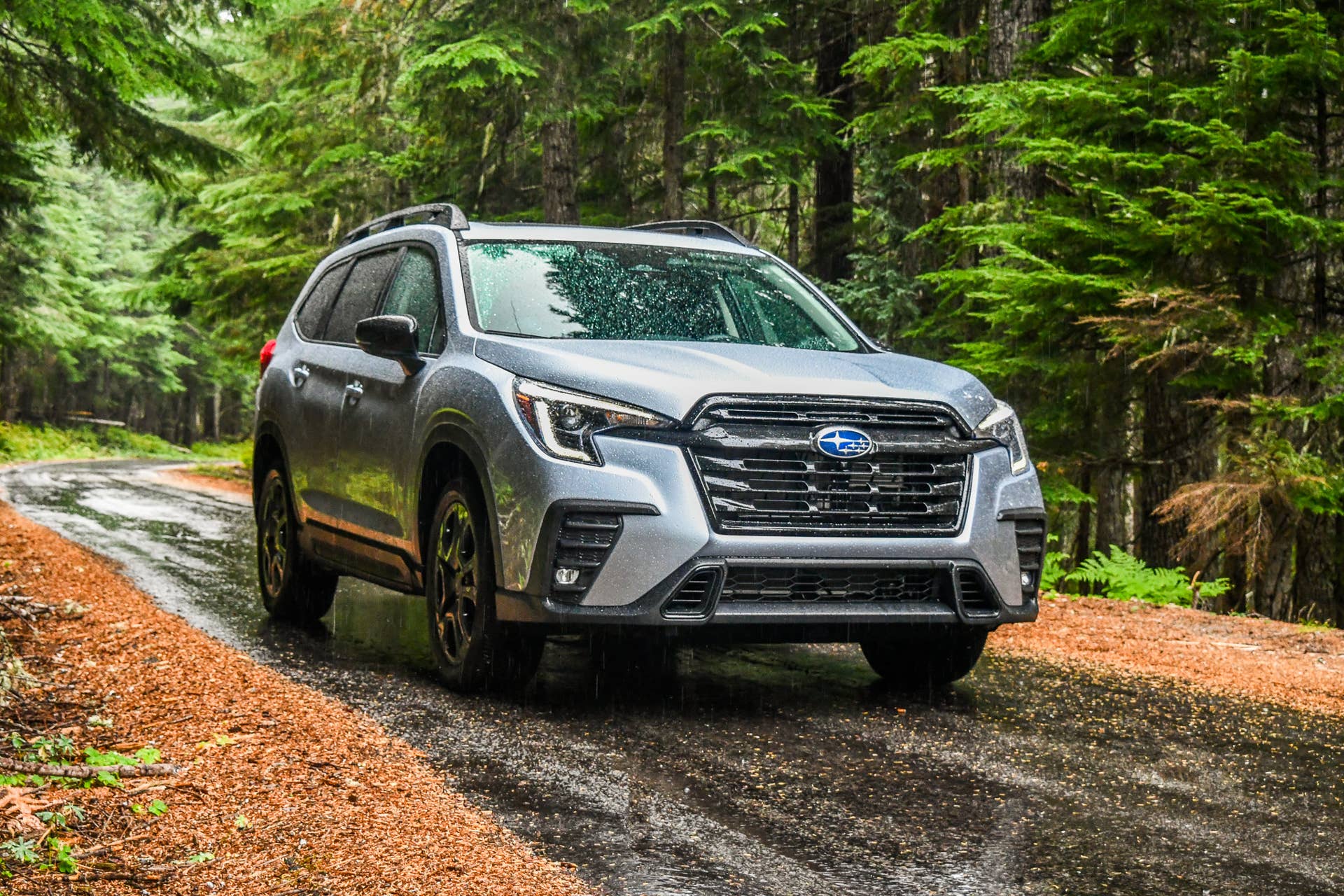
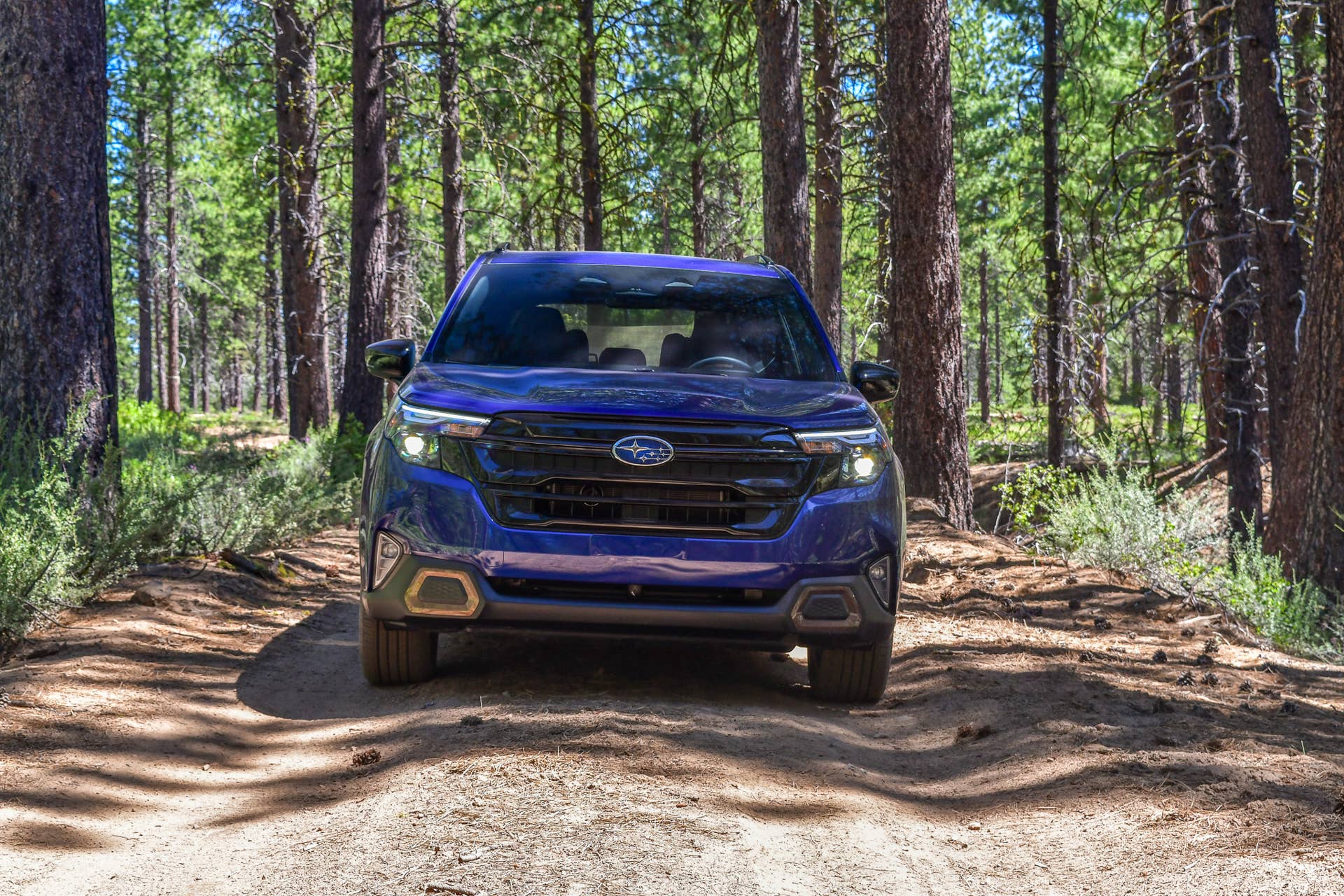
Subaru has long built its brand around safety, and this year is no exception. The Japanese automaker announced that the 2026 model year of the Forester, Ascent, and Outback earned IIHS Top Safety Pick+ awards, the highest honor in the organization’s safety ratings.
The Forester, Ascent, and Outback are among the 45 vehicles to earn IIHS Top Safety Pick+ awards so far this year, with the Forester collecting its 20th consecutive Top Safety Pick honor. That streak dates back to the early years of the IIHS Top Safety Pick program, which was introduced for the 2006 model year. The achievement is even more notable because the nonprofit tightened its 2026 criteria to place greater emphasis on crash-avoidance systems and rear-seat passenger protection.
“Earning IIHS Top Safety Pick+ awards for 2026, considering the enhanced testing criteria, is a defining achievement for Subaru,” said Jeff Walters, President and Chief Operating Officer, Subaru of America, Inc.
Chase Bierenkoven
IIHS Turns Up the Pressure
Under the revised criteria, vehicles must now earn a Good rating – rather than merely Acceptable – in the moderate overlap front test to qualify for at least a Top Safety Pick. For Top Safety Pick+, they must also earn a Good rating in the pedestrian front crash prevention test and an Acceptable or Good rating in the updated vehicle-to-vehicle front crash prevention evaluation as part of the crash-avoidance requirements.
Central to Subaru’s crash-avoidance package is its EyeSight Driver Assist Technology, an SAE Level 2 advanced driver-assistance system. It includes features such as Pre-Collision Braking and Automatic Emergency Steering across all 2026 Forester, Ascent, and Outback models. That is crucial because the IIHS requires qualifying front pedestrian crash prevention technologies to be standard equipment on every trim for a vehicle to earn an award.
Kristen Brown
Intelligence Behind the Wheel
Subaru has partnered with Infineon Technologies to further advance its EyeSight driver-assist technology, developing a new microcontroller designed to process data more quickly and improve response times in potential crash situations. That could prove beneficial in the long term as the IIHS looks to further tighten crash-avoidance requirements under its 30x30 vision, which aims to reduce U.S. crash deaths by 30 percent by 2030.
The IIHS has also pushed for safe cars that do not require buyers to spend a fortune, given that the average new-vehicle price reached $50,000 last year. The Forester is a prime example, starting at $29,995. Meanwhile, the Outback and Ascent carry starting MSRPs of $34,995 and $40,795, respectively.
Kristen Brown


There are no reviews to display.