




The Odometer and the Illusion of Youth
The odometer is about as basic as it gets in a car. It sits there, quietly ticking up the miles, giving you a rough sense of how much life a vehicle has lived. If cars could age like people, the odometer would be their tan lines or white hair – except here, age is measured in distance, not years.
But that only works if the number is telling the truth. In the used car world, odometer rollback is an old trick – dialing back the mileage to make a car look fresher than it really is. Lower numbers mean higher prices, and for some sellers, that temptation is tough to ignore.
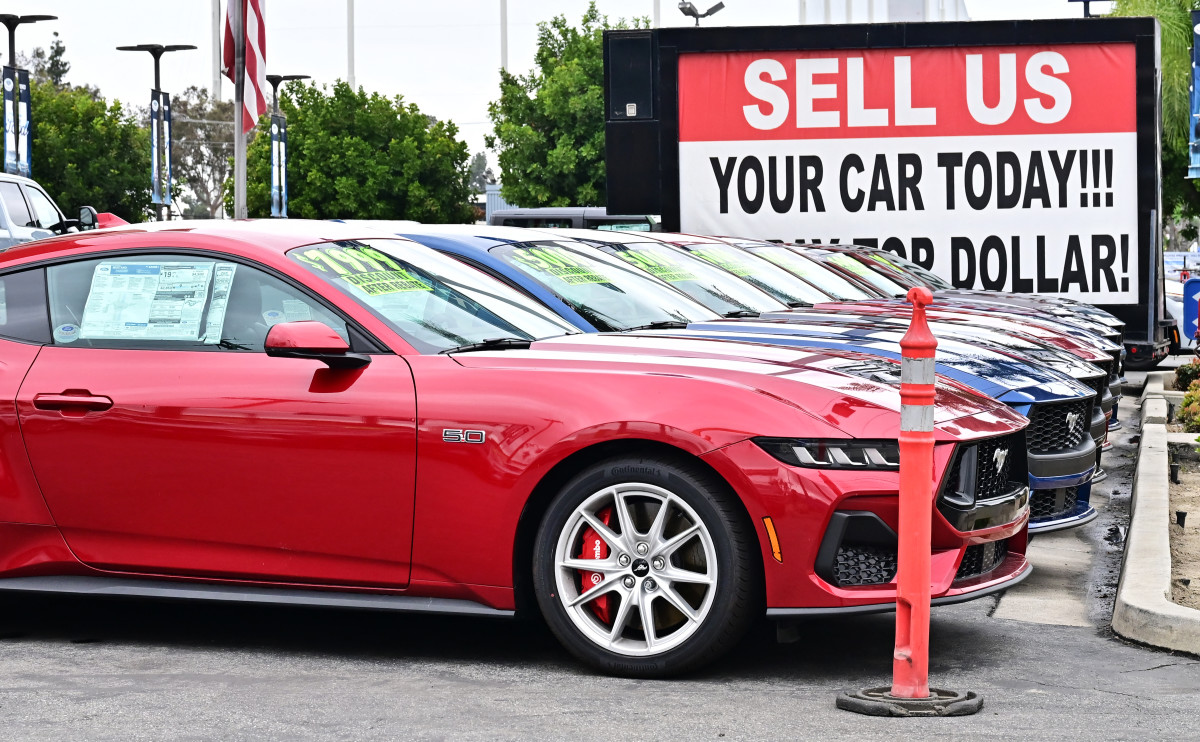
FREDERIC J. BROWN/AFP via Getty Images
What the Data Shows
New data from Carfax shows the problem is getting worse, not better. About 2.45 million vehicles on U.S. roads are suspected of having rolled-back odometers. That’s a 14 percent jump from last year – a big leap, especially since the year before only saw a 4 percent rise.
Switching from mechanical to digital odometers didn’t kill off tampering. It just changed the game. Cheap electronic gadgets now make it easier to tweak the numbers, even as better data tracking helps catch the fakes after the fact.
Carfax’s latest report makes it clear: this isn’t a small problem. Cars flagged for possible odometer rollback lose about $3,300 in value on average. For buyers, that missing money often turns up later as surprise repairs, faster wear, or safety issues that don’t match the mileage on the dashboard.
Some states are seeing the numbers climb even faster than the national average.
State | Increase vs. Last Year |
Montana | 33% |
Tennessee | 30% |
Arkansas | 28% |
Oklahoma | 25% |
Kansas | 24% |
New Jersey | 21% |
Florida | 20% |
Behind those stats are real people. One California driver only found out about a possible rollback after buying the car and running a history report.
“I needed to buy a car, and I negotiated the price down to something I could afford,” said Seven Beverly from Valencia, CA. "I later was curious about the car's history, so I checked the Carfax and saw that there was a possible odometer rollback. It's definitely something that I wish I knew before buying."
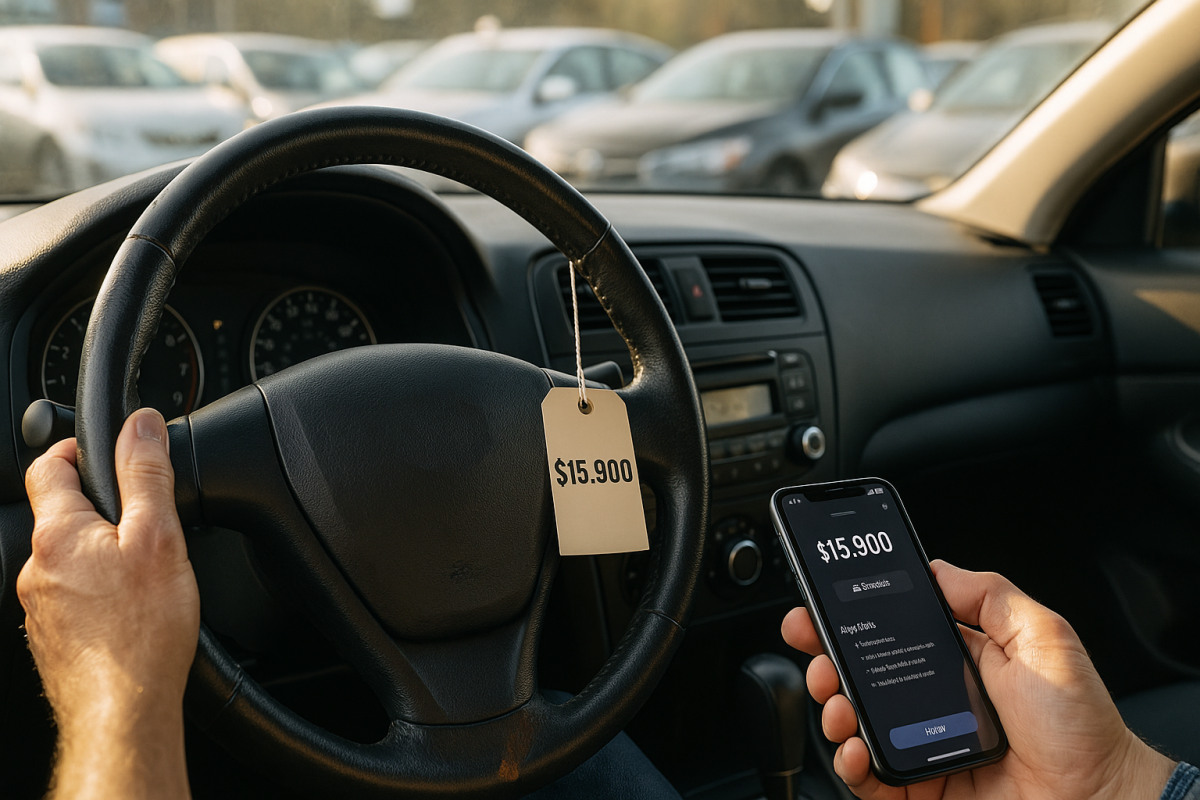
Brian Iselin
How Buyers Can Protect Themselves
Carfax says the first step to avoiding odometer fraud is simple: do your homework. Pull a vehicle history report and check the mileage across titles, inspections, and service records. If the numbers don’t line up, that’s your first warning sign.
You can also look for physical clues. Worn pedals, shiny steering wheels, or sagging seats don’t match up with a low-mileage story. Getting a trusted mechanic to inspect the car before you buy adds another layer of protection – especially if the deal seems too good to be true.
Carfax also suggests using its online odometer check tool. The process is easy – just enter the VIN. It’s a quick step that could save you from a costly mistake, especially in a market where looks can be deceiving.
Stock Photo


There are no reviews to display.