




Opel’s 50,000-Pixel Headlight Gambit
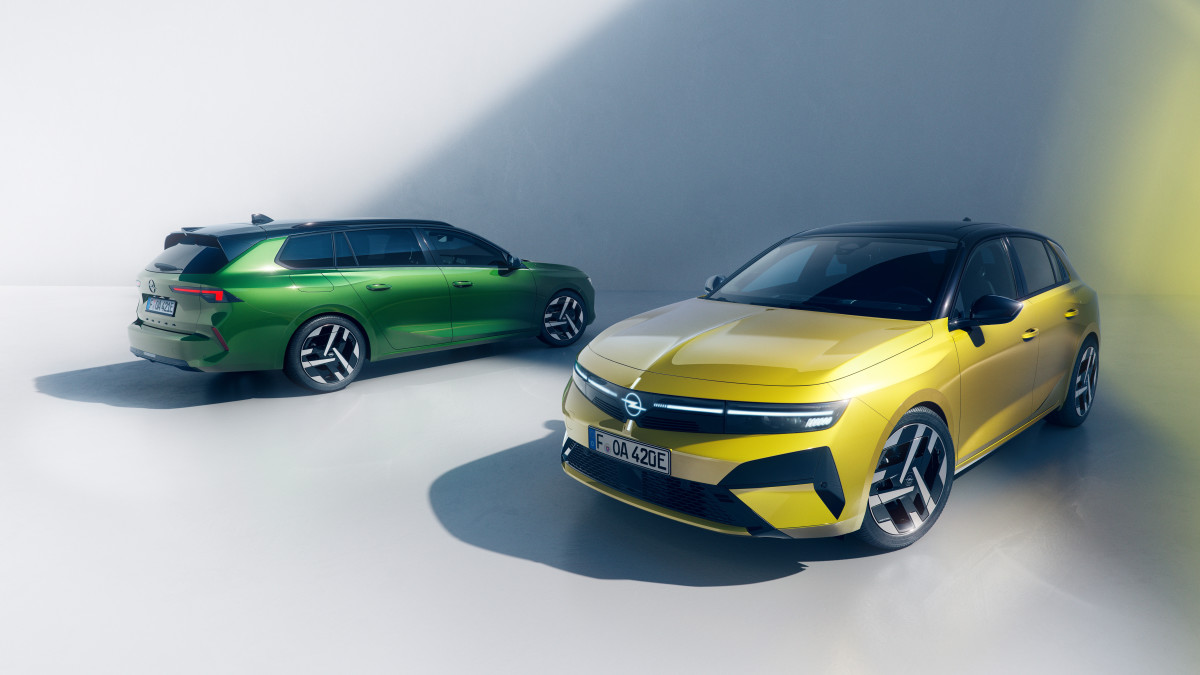
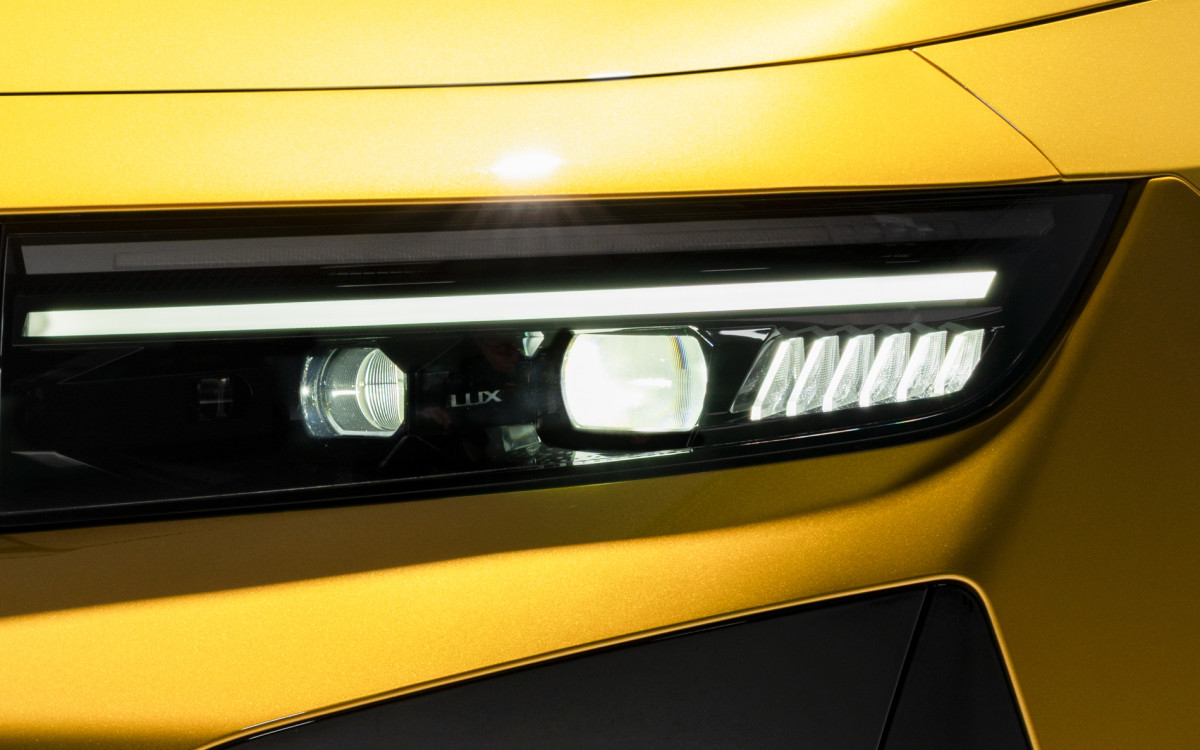
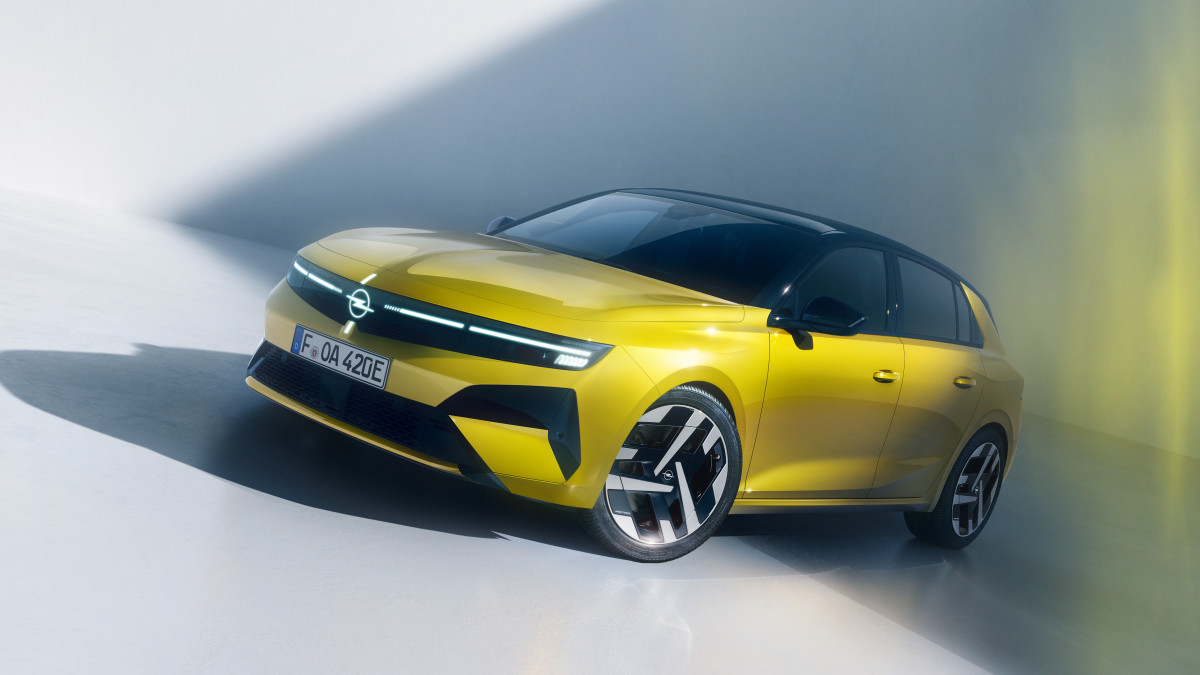
Opel is betting big on brains over brute force with the new Astra and Astra Sports Tourer, unveiled at the 2026 Brussels Motor Show. The headline feature is Adaptive Intelli-Lux HD lighting, a system boasting more than 50,000 individual light elements, 51,200 to be exact, now trickling down from their Grandland SUV, which shares a platform with the Jeep Compass, to Opel’s compact car.
On paper, the technology is designed to dramatically improve nighttime visibility while reducing glare, a timely move as modern headlights face growing criticism for being painfully bright.
That criticism isn’t unfounded. For years, automakers operated under the assumption that brighter meant safer, an arms race that led to eye-searing LED setups and regulatory blind spots. Studies and reporting have since shown that excessive brightness can be just as dangerous as inadequate lighting. Opel’s pitch is that Intelli-Lux HD isn’t about blasting more light down the road but about putting the right light in the right place, and nowhere else.
Stellantis
Precision Lighting, Not a Blinding Menace
Each Astra headlamp contains 25,600 individually controllable pixels, allowing the system to shape the beam with surgical precision. Using a forward-facing camera, Intelli-Lux HD detects oncoming traffic and vehicles ahead, then “cuts them out” of the light pattern faster and more accurately than earlier matrix systems. The result is a narrower light tunnel around other road users, while the rest of the roadway stays fully illuminated.
Opel claims real safety gains back this up. At 50 mph, obstacles can be detected 30 to 40 yards earlier than with halogen headlights, translating to one or two extra seconds of reaction time. The system also adapts to corners, activates side lighting to avoid dark spots, reduces glare on rain-soaked roads, and even dims traffic signs so reflections don’t blind the driver. It’s a clear attempt to answer concerns raised by regulators and researchers about glare, spectrum, and driver discomfort, without retreating to dimmer lights.
Stellantis
The Complicated, Regulated Future of Car Lighting
There’s no ignoring the complexity that comes with 50,000-pixel headlights. Repairs won’t be cheap, and DIY fixes are basically a thing of the past. How many car guys can replace a light bulb? Apparently, these days, it’s not as easy as we remembered it to be. As headlights evolve into high-resolution digital devices, a cracked lens could mean a four-figure bill rather than a quick swap in the driveway.
Still, this complexity may be unavoidable. The industry needs smarter solutions to stay compliant while improving safety. Opel’s Intelli-Lux HD suggests the future isn’t about dimming things down, but about using technology to balance visibility, comfort, and regulation.
Stellantis


There are no reviews to display.