


Another Curveball for EV Adoption
Electric vehicles were already experiencing a slowdown amid shifting policies, especially in the U.S., where the $7,500 tax credit ended last year. Now, there could be further disruption.
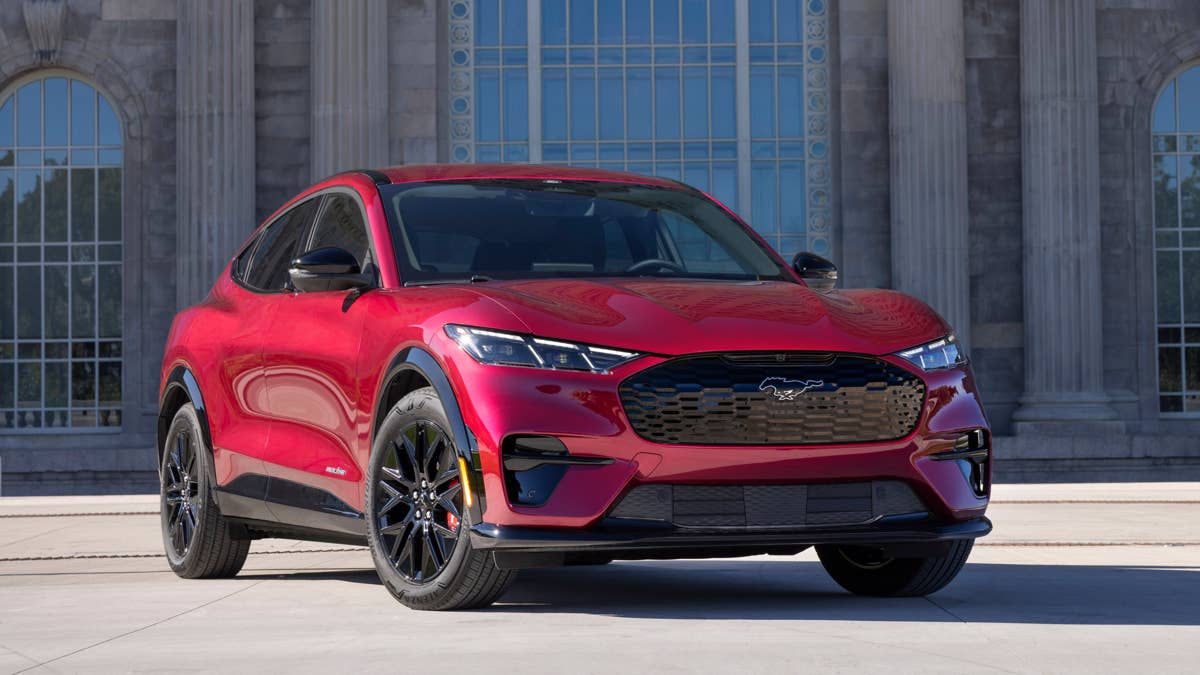
Stephan Keese, senior partner at Roland Berger North America, told Automotive News that the war in Iran could constrict the supply of helium, which is used in semiconductor manufacturing and is especially important for EV plans, as technologies like advanced driver-assistance systems and software-heavy architectures rely heavily on those components.
As a result, Keese argued that a potential helium shortage could force automakers to shift their focus back toward combustion vehicles and hybrids equipped with fewer advanced electronics. Automakers that are doubling down on EVs are likely to be the most affected, while those taking a multi-powertrain approach, such as Toyota, may have greater flexibility.
The Supply Chain Floats No More
According to Keese, about 33% of the global helium supply comes from the Middle East, largely from Qatar. However, a helium production facility has reportedly been damaged in an attack, further constraining the supply chain.
Meanwhile, roughly 47% of global helium supply comes from North America, meaning regions such as East and Southeast Asia could potentially face shortages in the coming weeks.
The thing is, the automotive industry isn’t the only sector relying on semiconductors. They are widely used in smartphones and computers, and demand is rising further with artificial intelligence, which, according to S&P Global, could disrupt automotive production.
Another report from The Register states that an SAE Level 4 automated driving system is estimated to require more than 300 GB of RAM to ensure components such as lidar, sensors, and cameras operate well enough to keep passengers safe without driver intervention. By comparison, many passenger cars today use SAE Level 2 systems, including Ford's BlueCruise and Tesla's Full Self-Driving, which only use around 16 GB of memory.
Running Out of Gas
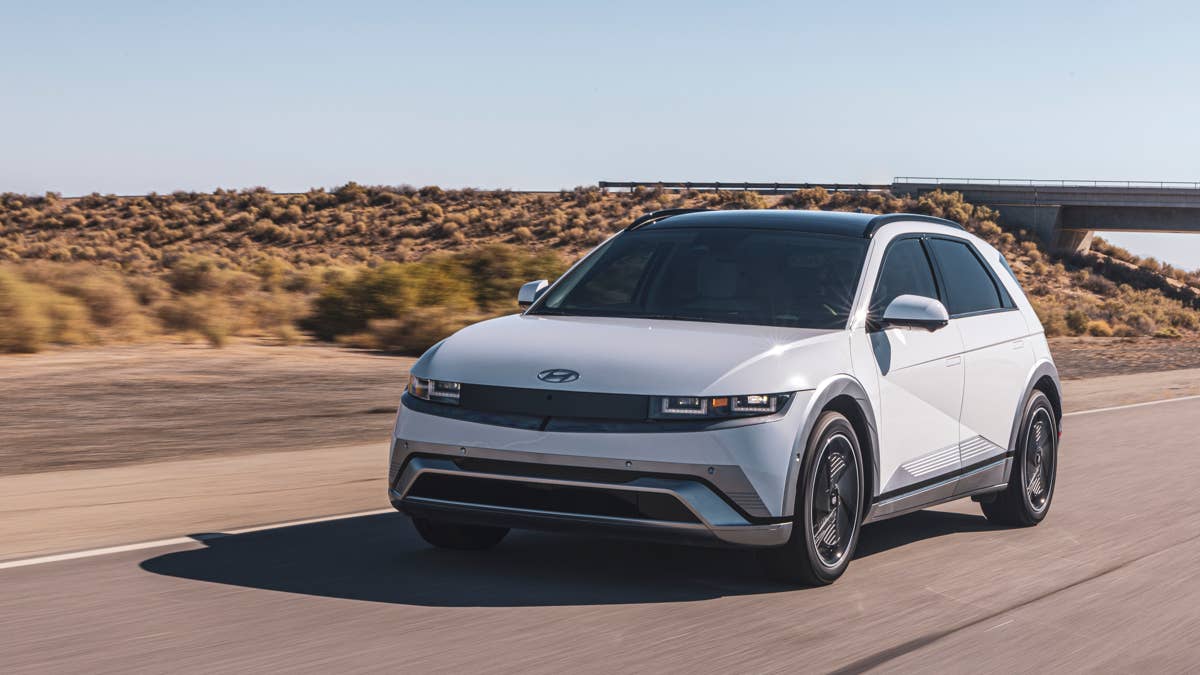
While Keese argues that EVs could take a hit from the ongoing conflict in the Middle East, combustion cars are also being affected, particularly by rising gas prices. Such a crisis has put hybrids in the spotlight for their more fuel-efficient powertrains.
The full impact of the global supply disruption remains to be seen, especially if the situation worsens. It also adds to existing challenges in the U.S. car market, where affordability has already become a concern, to the point that Ford is reportedly considering a return to sedans after previously stepping away from the segment to prioritize larger vehicles.

Mercedes-Benz


There are no reviews to display.