




Chinese carmakers like BYD, Chery, Geely, and GWM have been taking the world by storm. Despite not having a presence in the United States, industry figures sourced from a Nikkei report suggest Chinese automakers could end 2025 well ahead of Japanese manufacturers in global sales for the first time in history. Full-year numbers are not published yet, but with the gap widening through November rather than shrinking, confidence around the outcome is high. China has built its success on rapid electrification, competitive pricing, and a global expansion approach, and it's paying off. And crucially, China now builds everything from simple commuters and spacious family SUVs to sports cars and even 1,000-hp supercars, which shows how far its automotive footprint has come.
China’s Rapid Climb, Powered by Electric Vehicles
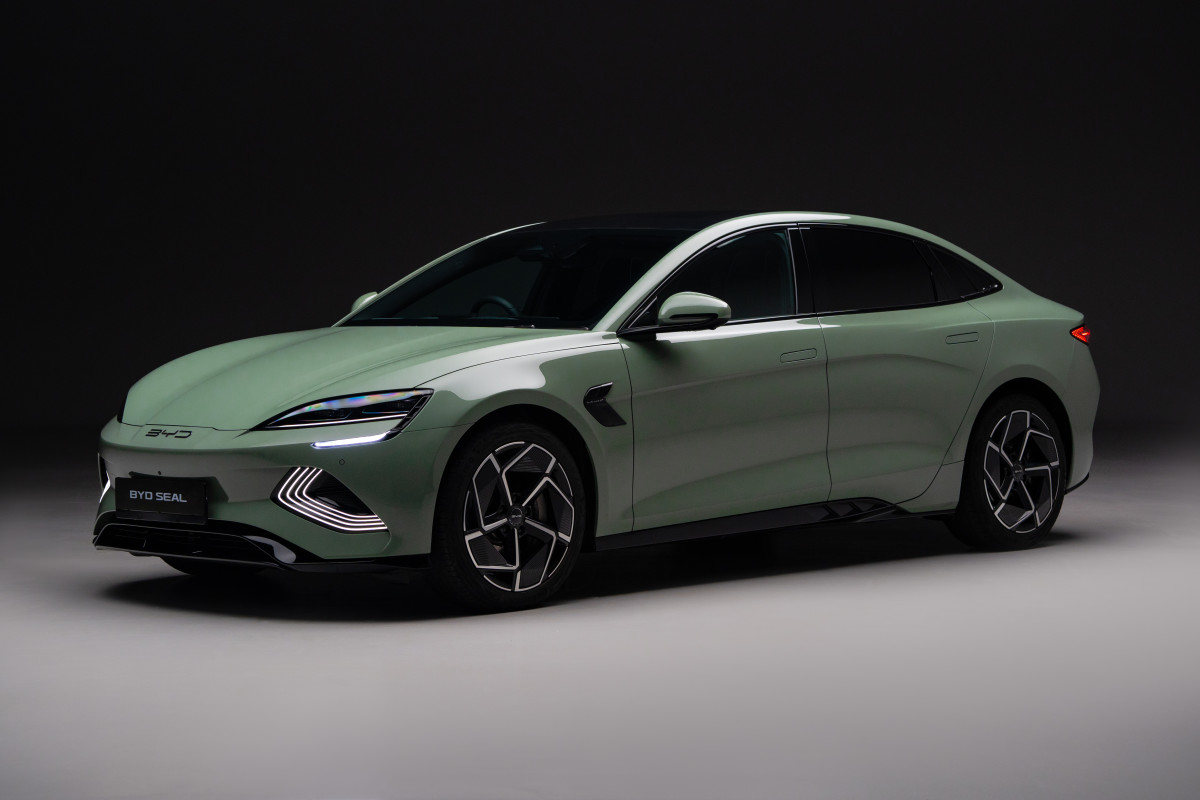
According to the report, Chinese automakers are projected to move around 27 million vehicles globally in 2025, while Japanese brands sit just under 25 million. Roughly 70% of those sales happen inside China, where battery electric and plug-in hybrid models make up nearly 60% of passenger car demand. It helps that BYD and Geely have cracked the global top ten, signalling just how quickly Chinese brands have evolved. Electric vehicles sit at the heart of this shift. China scaled EV manufacturing faster than rivals, and low production costs and a highly integrated supply chain let its brands offer impressive equipment levels at prices international competitors struggle to match. Global EV sales have also risen strongly in 2025, up roughly 25%, which plays directly into China’s strengths. Yet the market is shifting again, with several carmakers outside China reportedly pivoting from pure EVs toward plug-in hybrids since US interest in EVs has dropped. Yet, China seems to be confident in its all-electric approach.
Export Sales Hit Japan’s Strongholds
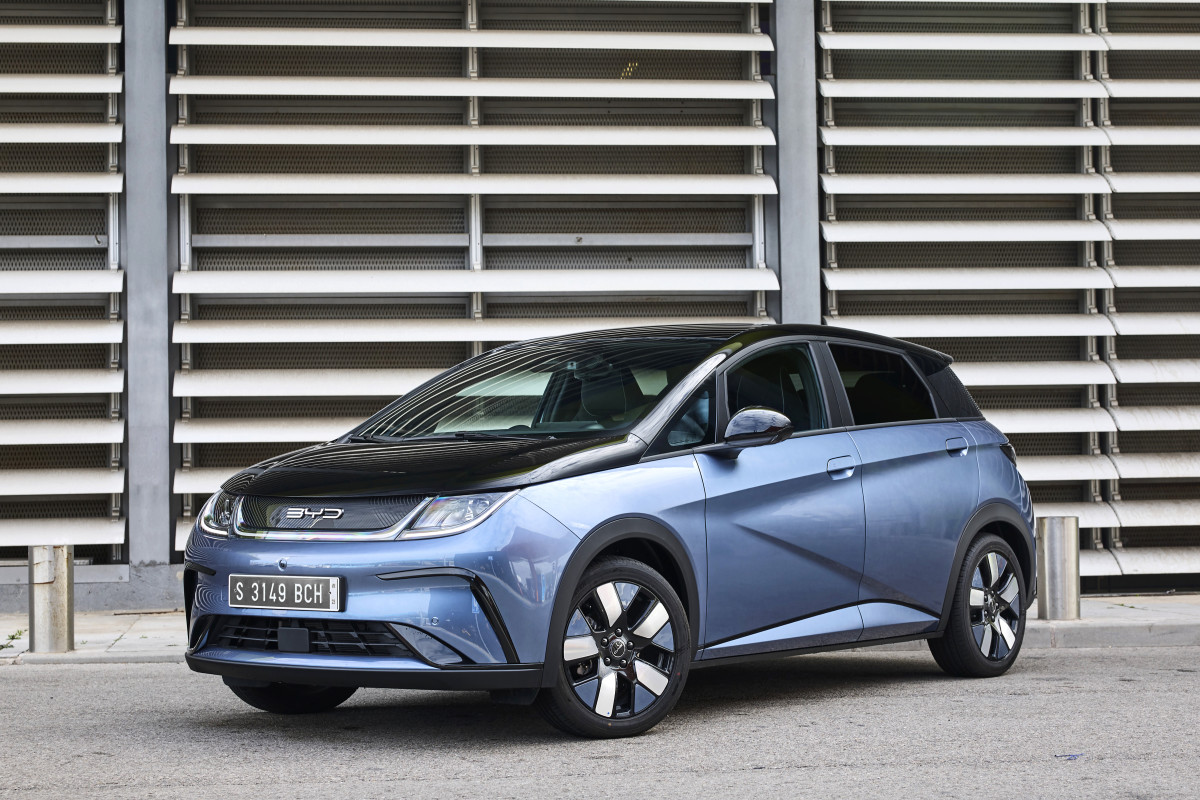
China’s rise is not confined to its home soil. The same report highlights strong export growth across nearly every major region. Southeast Asia, long a Japanese stronghold, is expected to absorb around 500,000 Chinese vehicles in 2025. Europe should close the year near 2.3 million Chinese units sold, despite tariffs. Meanwhile, Africa could total about 230,000 units, up 32% year on year, while Latin America may reach 540,000 units, up 33%. For brands like Toyota, Honda, Nissan, and even Tesla, the pressure is growing. Japanese global sales peaked near 30 million in 2018 and led the world until China overtook them in 2023. Japan, Germany, and the United States remain automotive giants, but their growth curves appear far flatter than China’s.
A Global Balance of Power May Be Changing
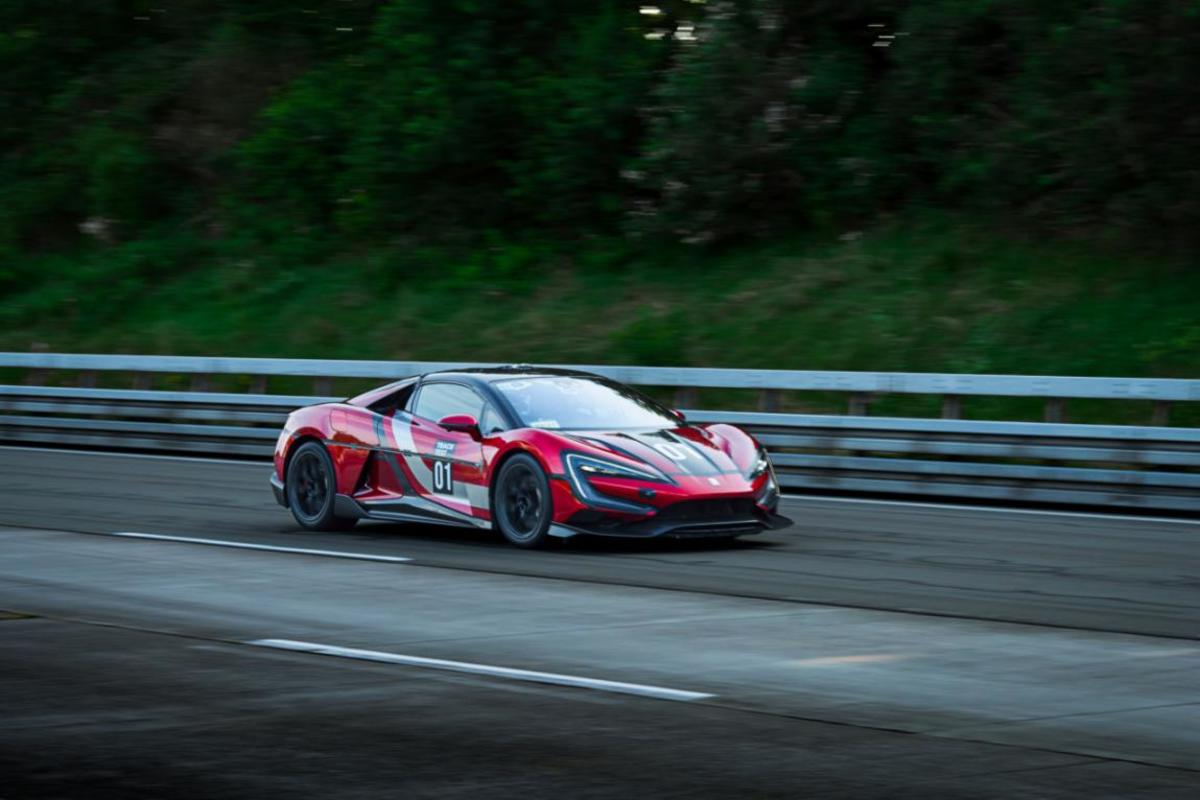
Done are the days of Chinese cars being nothing more than copy cats. If projections prove accurate when final 2025 results arrive in early 2026, China will stand as the world’s best-selling automotive nation for the very first time. Regions like Japan and Germany built decades of dominance on reliability and mechanical refinement, while China is rewriting the playbook with scale, electrification, and affordability – quintessential for value-conscious buyers. The question is less about whether China will lead and more about how long the rest of the world will take to catch up, or if they ever will. Whether these Chinese cars stand the test of time is a debate still unfolding...


There are no reviews to display.