




A quiet success
When New York City flipped the switch on congestion pricing in early 2025, the backlash was immediate and loud. Critics warned it would punish drivers, hurt businesses, and simply push traffic into surrounding neighborhoods. One year later, the data tells a very different story. By most measurable standards, New York City’s congestion toll is working — and working better than many expected.
Fewer cars in the heart of Manhattan
The congestion pricing program officially launched on Jan 5, 2025, charging most drivers a $9 fee to enter Manhattan below 60th Street between 5 a.m. and 9 p.m. Motorcycles pay $4.50, while trucks and buses are charged between $14.40 and $21.60. The goal was to reduce gridlock in the city’s busiest core, and the numbers suggest it has done exactly that.
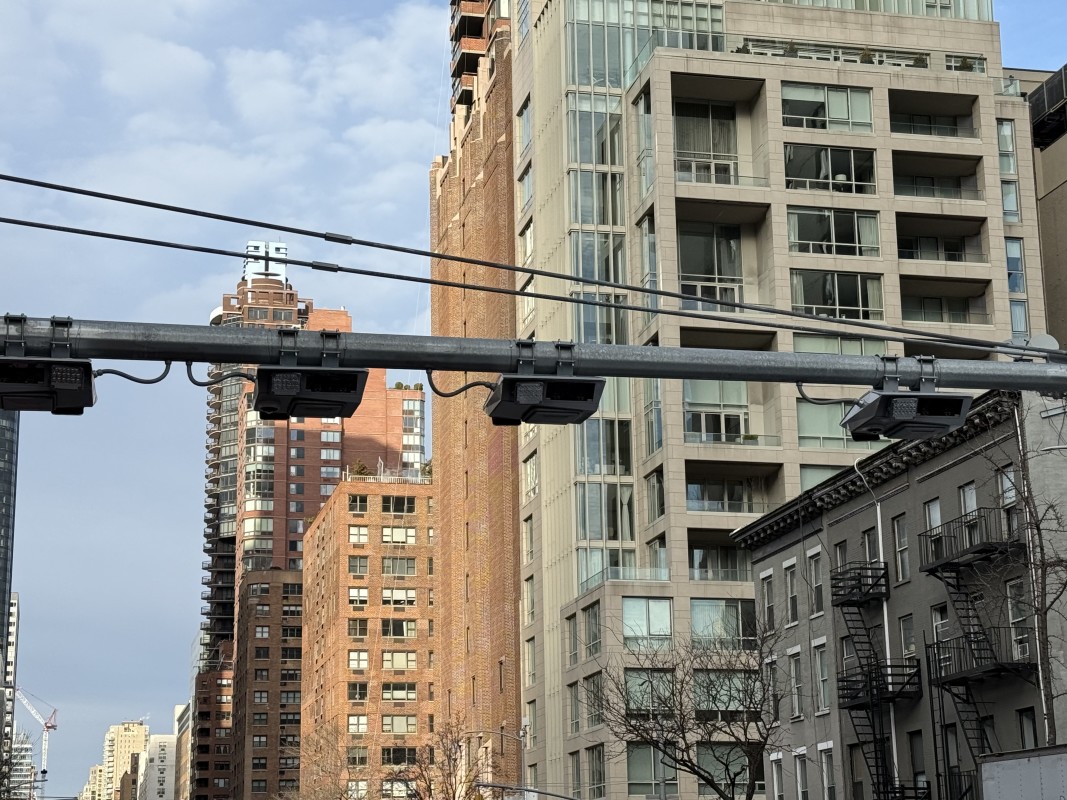
According to city and state data analyzed by the New York Times, roughly 73,000 fewer vehicles are entering the central business district each day. Over the course of a year, that adds up to about 27 million fewer car trips. While some drivers have shifted their travel to just before the toll begins in the morning or after it drops to a lower overnight rate, overall traffic volumes are well down.
Traffic is moving faster — much faster
With fewer cars clogging the streets, travel speeds have increased across the congestion zone. Average speeds rose 4.5% from 2024 to 2025, a meaningful gain in a city where even small improvements can feel dramatic.
Gary Hershorn/Getty Images
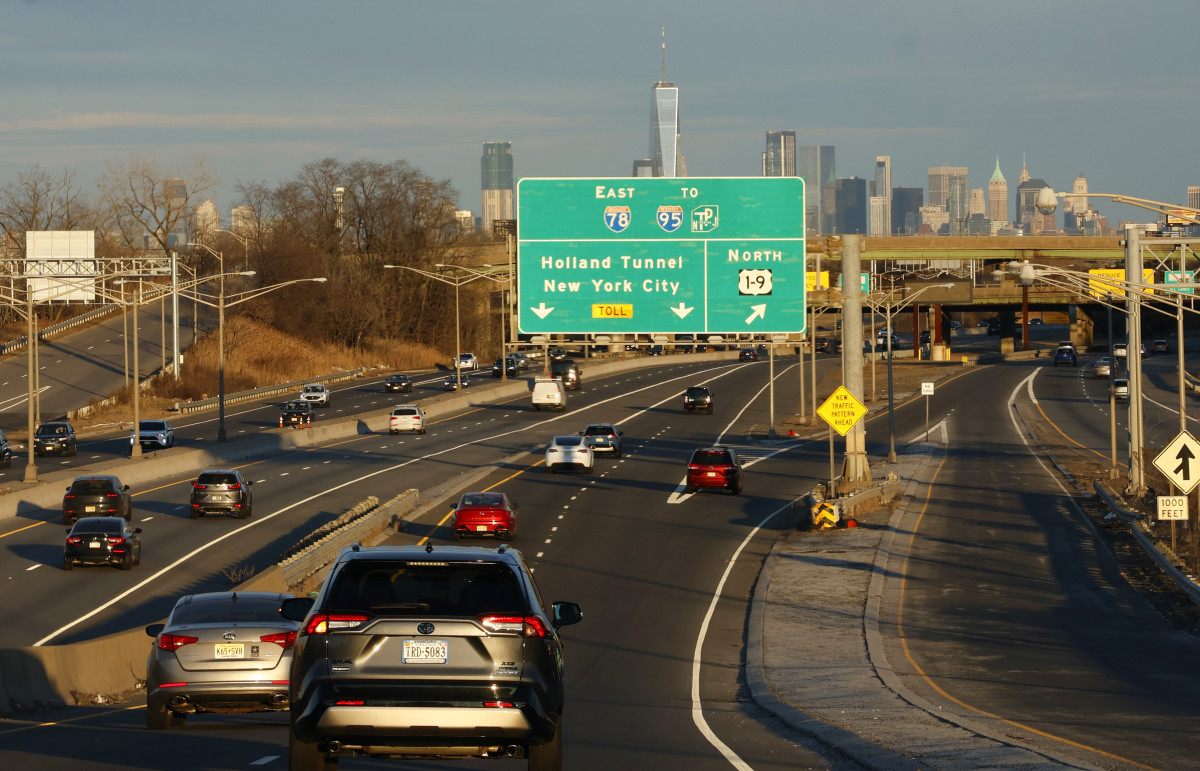
The biggest changes have come at major crossings. During the weekday morning commute, the Holland Tunnel is moving 51% faster than it did before the toll. The Williamsburg Bridge has seen speeds increase by about 28%. These improvements translate into shorter, more predictable commutes for drivers who still choose to travel by car.
Ripple effects beyond the toll zone
One of the early fears surrounding congestion pricing was that traffic would simply spill into nearby neighborhoods. Instead, the opposite appears to be happening. Vehicle speeds have increased slightly across the rest of New York City, and drivers report seeing fewer cars in areas well outside Manhattan.
Analysis from researchers at Stanford, Yale, and Google found that roads commonly used by drivers heading toward Manhattan are also moving more efficiently. Rather than shifting congestion elsewhere, the toll seems to be reducing it overall.
A boost for transit and city life
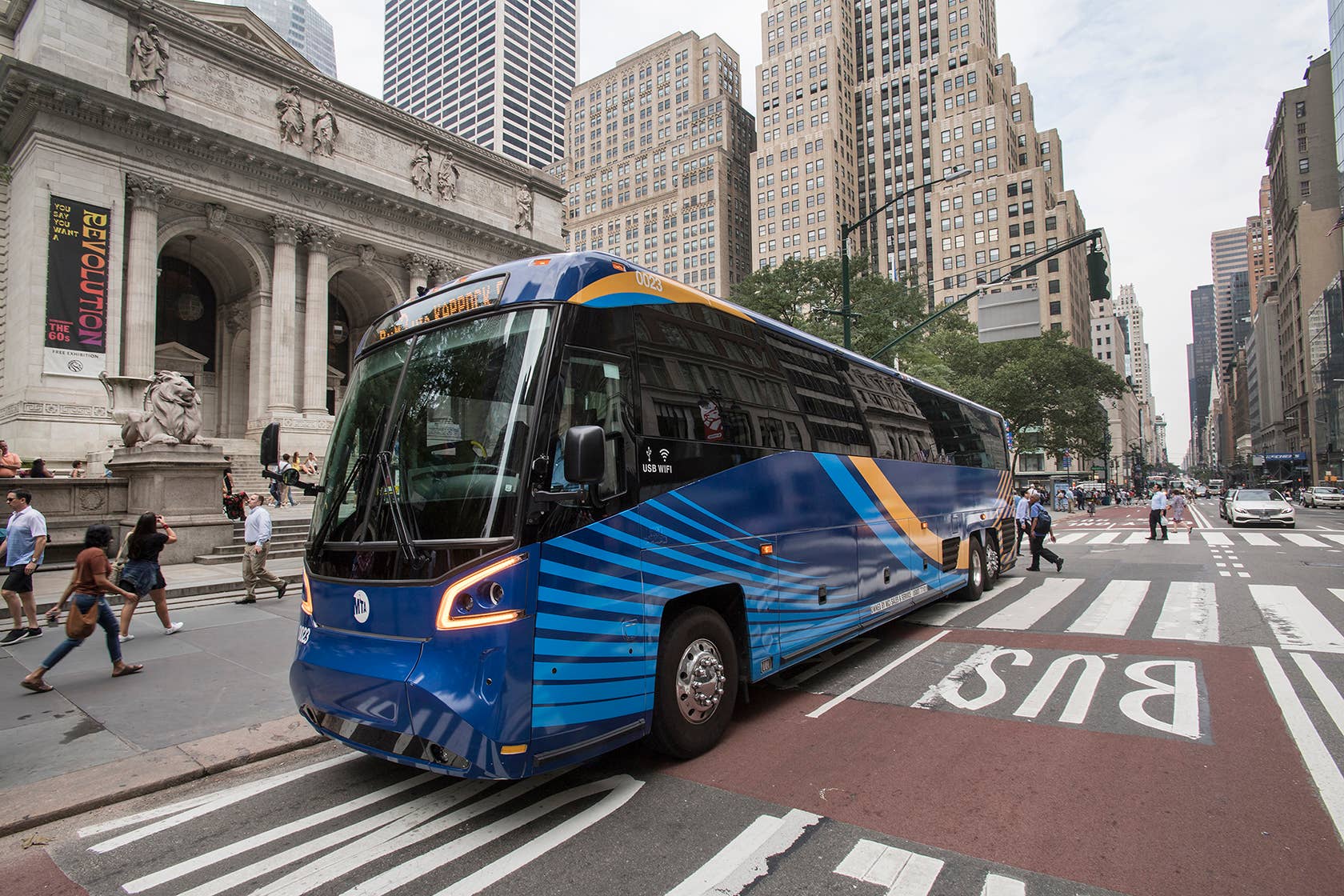
As driving has become more expensive, public transit has become more appealing. Subway ridership is up by roughly 300,000 trips per day, and buses in the congestion zone are traveling about 2% faster thanks to reduced traffic.
MTA
Financially, the program is also exceeding expectations, generating an estimated $550 million in net revenue in its first year, money earmarked for long-needed transit improvements. The quality-of-life gains are just as striking. Vehicle noise complaints in the congestion zone fell 17% compared with 2024, and the number of people seriously injured in traffic crashes dropped 9%. Quieter streets and safer roads have made lower Manhattan a noticeably calmer place to be.
Final thoughts
Not everyone is happy. Some drivers say the fee has limited their willingness to visit Manhattan for appointments or events. Still, concerns that congestion pricing would hurt the local economy haven’t materialized. Visits to the congestion zone actually increased 2.4% over the past year. A year in, New York City’s congestion toll has delivered cleaner, safer, and more efficient streets — a result few cities grappling with traffic can afford to ignore.


There are no reviews to display.