




The Other Cost of the AI Boom
Artificial intelligence has been widely adopted across multiple sectors, with applications ranging from productivity tools to more unconventional uses – such as a BMW owner using ChatGPT to generate a custom performance tune. While the technology is primarily leveraged to streamline workflows and improve efficiency, a report from S&P Global suggests that broader adoption could disrupt automotive production, echoing the pandemic-era supply chain shock.
The report stated that a dynamic random-access memory (DRAM) shortage could emerge in 2026. DRAM serves as the primary working memory for computing systems and is especially critical for AI data centers, which require vast amounts of high-speed memory to process workloads. The concern is that chipmakers may prioritize higher-margin customers over automakers, potentially triggering another disruption across the automotive supply chain.
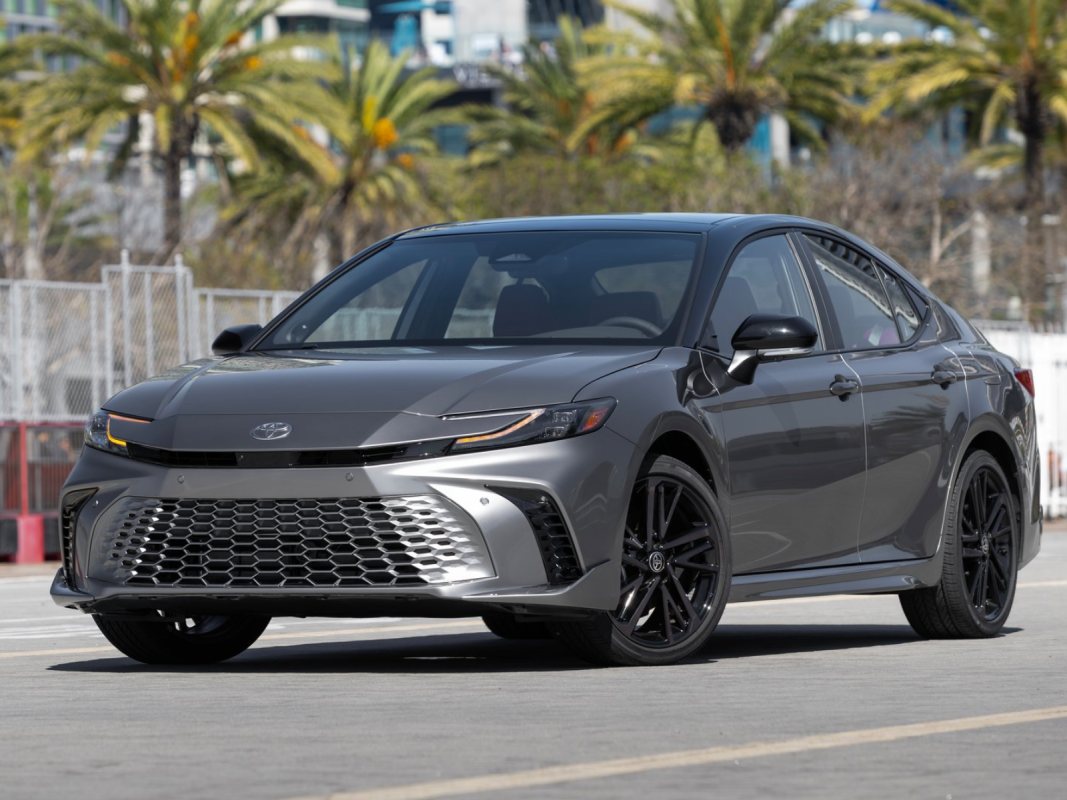
Cars Are Becoming Rolling Computers
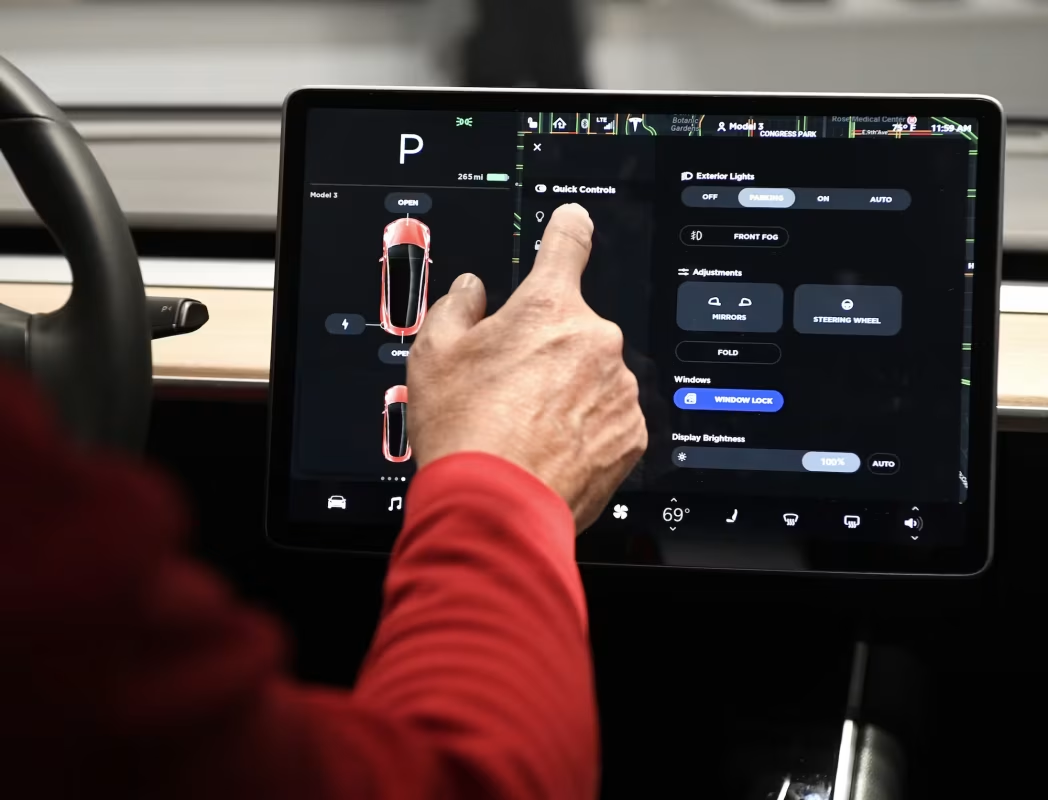
With the integration of advanced in-car technologies such as connected services, automakers increasingly rely on high-performance computing chips. These components also enable advanced driver-assistance systems (ADAS), which are now standard even on entry-level models like the Nissan Sentra. Tesla is taking this dependence on computing even further with its planned robotaxi program, which is expected to use the Cybercab—a vehicle designed to operate without a human driver, steering wheel, or pedals.
The semiconductor shortage triggered by the pandemic caused widespread production delays that continue to affect the industry today, with models such as the Volkswagen ID.4 among those heavily impacted. Looking ahead, a potential DRAM shortage is expected to spark panic buying and further production disruptions across the automotive sector, particularly if chipmakers raise prices by as much as 70 to 100 percent, as some analysts suggest.
Hagerty
Aging Tech in a Fast-Moving Industry
Another emerging concern is the planned phaseout of legacy memory chips by 2028. Automakers will therefore need to redesign and validate their systems around newer memory technologies—a process that can be both time-consuming and costly, especially as advanced in-car features are increasingly becoming a dealbreaker for consumers.
At this point, it seems automakers have limited leverage when it comes to the overall supply of memory chips. What they can do instead is focus on improving software efficiency to reduce memory demand and, more importantly, place greater emphasis on sourcing strategies that include strengthening long-term partnerships with semiconductor suppliers to secure allocation and mitigate future disruptions.
Hyundai


There are no reviews to display.