




A Wagon Revival on the Horizon?
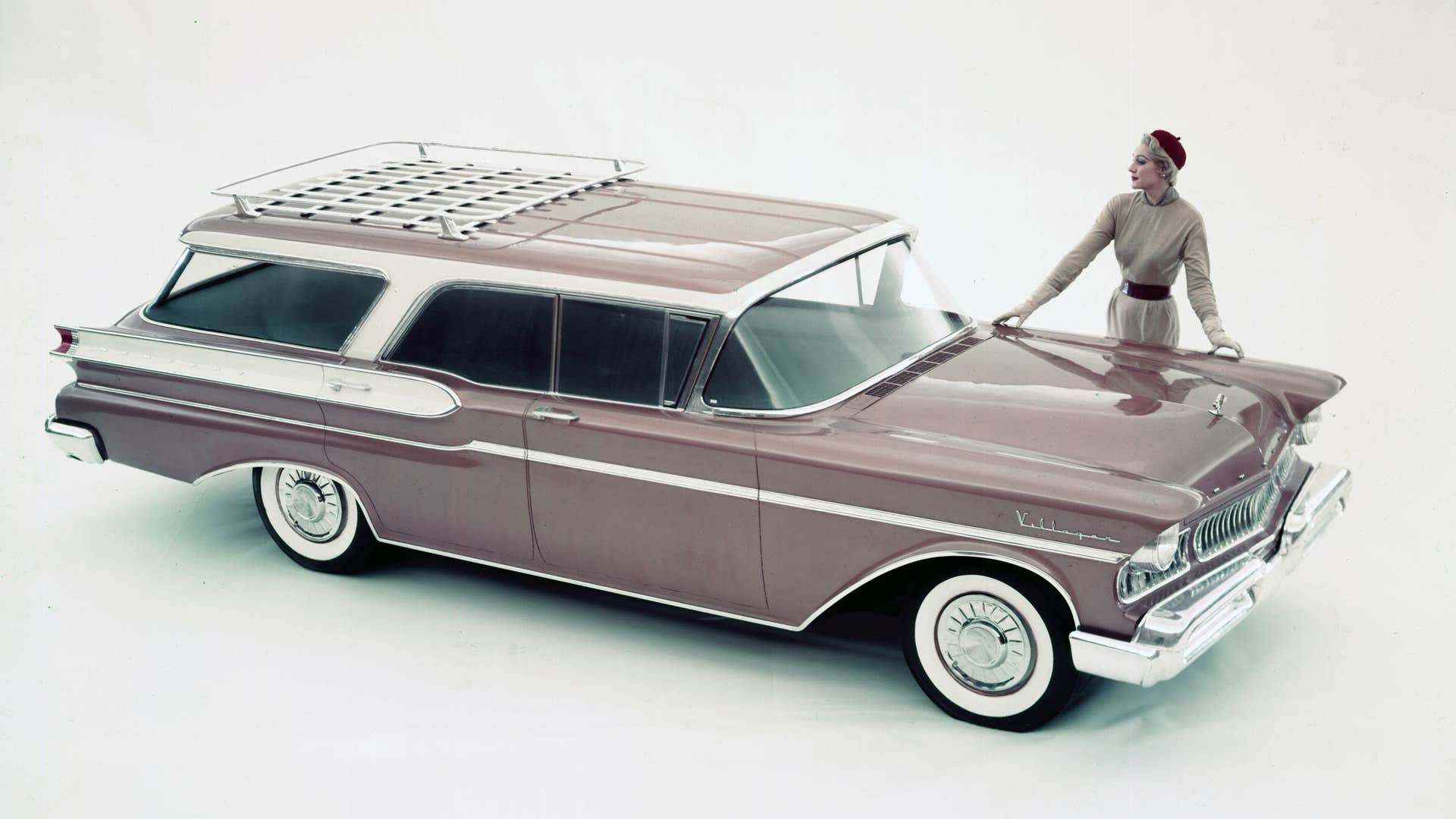
Station wagons, once the vehicle of choice for American families, have been largely replaced by SUVs. The NHTSA has previously speculated that increasingly-stricter passenger car fuel efficiency regulations have driven manufacturers to replace station wagons in their lineups with SUVs and crossovers, which are classified as light trucks and subject to more lenient standards.
Doubling down on this theory, Transportation Secretary Sean Duffy, in a recent interview with CNBC, claimed that the proposed rollback of the strict Biden era fuel efficiency standards would incentivise carmakers to offer consumers more entry- and mid-level station wagons, precipitating their widespread return to American streets.
Understanding the Logic
The idea of a station wagon revival stems from how the fuel consumption regulations classify vehicles. Station wagons are classified as passenger cars, and passenger cars face more stringent fuel efficiency regulations than vehicles categorised as light trucks. Large, roomy, and heavy station wagons would struggle to meet the tighter passenger car standards and, rather than tackle the pressure to optimize every model for maximum fuel efficiency and face potential compliance penalties, manufacturers started offering SUVs to customers shopping for family-sized vehicles.

GM
The Trump administration’s proposed plan to relax these regulations and drop the 2031 fleet average fuel consumption requirement from 50.4 mpg to 34.5 mpg once again makes it viable for manufacturers to build large, heavy vehicles in the passenger car segment. But it only makes sense for manufacturers to reintroduce station wagons if the demand still exists.
What About SUV Love?
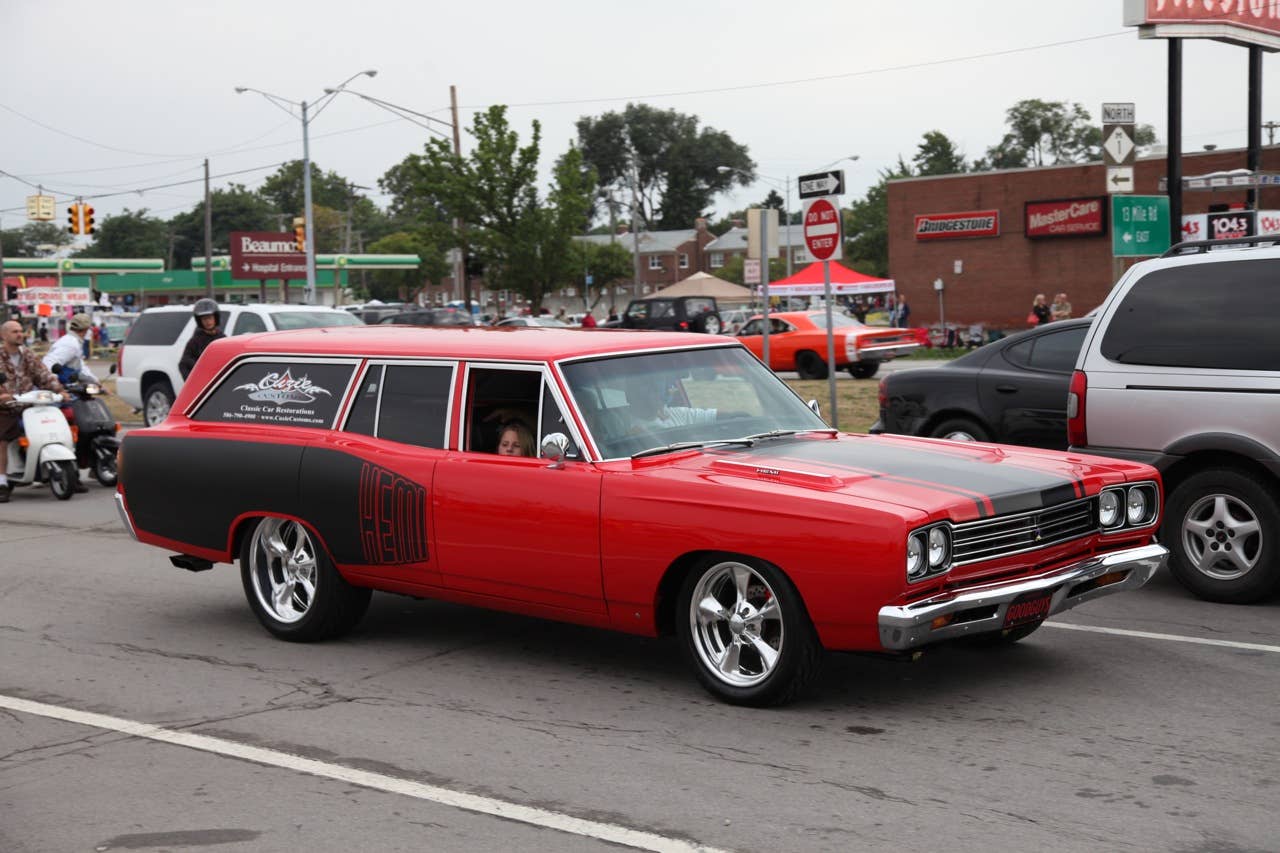
The idea that station wagons are set to make a comeback assumes that the massive market shift towards SUVs was driven more by the stringent fuel efficiency standards for passenger cars, and not by changing tastes and preferences. After all, Americans today love their SUVs; the commanding seating position, comfort, practicality, image, perceived safety, and greater cargo space have all contributed to this shift. It seems unlikely that station wagons becoming slightly more available and accessible would once again sway market preferences based solely on nostalgia for the once ubiquitous body type.

Subaru
The Bottom Line
Easing fuel consumption regulations has the potential to lower new car prices and save carmakers billions, as it will reduce the time, effort, and cost directed towards making vehicles more frugal year-on-year. However it will also slow down the development of EV and hybrid technology. Whether or not the revised regulations will drive a station wagon resurgence in a market obsessed with tall and bulky SUVs remains to be seen.


There are no reviews to display.