




A controlled Autobahn experiment
Arizona lawmakers are considering a proposal that would make parts of the state’s rural interstate system look a little more like Germany’s Autobahn — at least during the daytime. A new bill would allow select highway segments to operate without a posted maximum speed, as long as they meet strict safety and engineering criteria.
The idea comes from State Rep. Nick Kupper, who argues that speed limits are often designed around the least capable drivers, not the safest roads or the most attentive motorists. On wide-open stretches of desert interstate with clear sightlines and minimal traffic, he says, those limits may no longer make sense.
A limited experiment, not a free-for-all
The proposal, known as the Reasonable and Prudent Interstate Driving (RAPID) Act, would give the Arizona Department of Transportation authority to create “derestricted speed zones” on certain rural interstates. This wouldn’t apply everywhere. Urban areas with populations over 50,000 would be excluded entirely, and the change would only be in effect during daylight hours.
Once the sun goes down, a firm 80-mph speed limit would still apply. Commercial vehicles, including semi-trucks, would also remain capped at 80 mph regardless of the time of day or location.
Before any speed limit sign comes down, ADOT would need to sign off on a long list of requirements. Eligible highway segments would have to meet high-speed roadway design standards, pass detailed traffic and engineering studies, and show crash rates below the statewide average over the past five years. In other words, this would be a tightly controlled pilot, not an overnight overhaul of Arizona’s speed laws. Interstate 8, which runs through sparsely populated parts of the state, is expected to be the first testing ground if the bill moves forward.
Why Montana keeps coming up
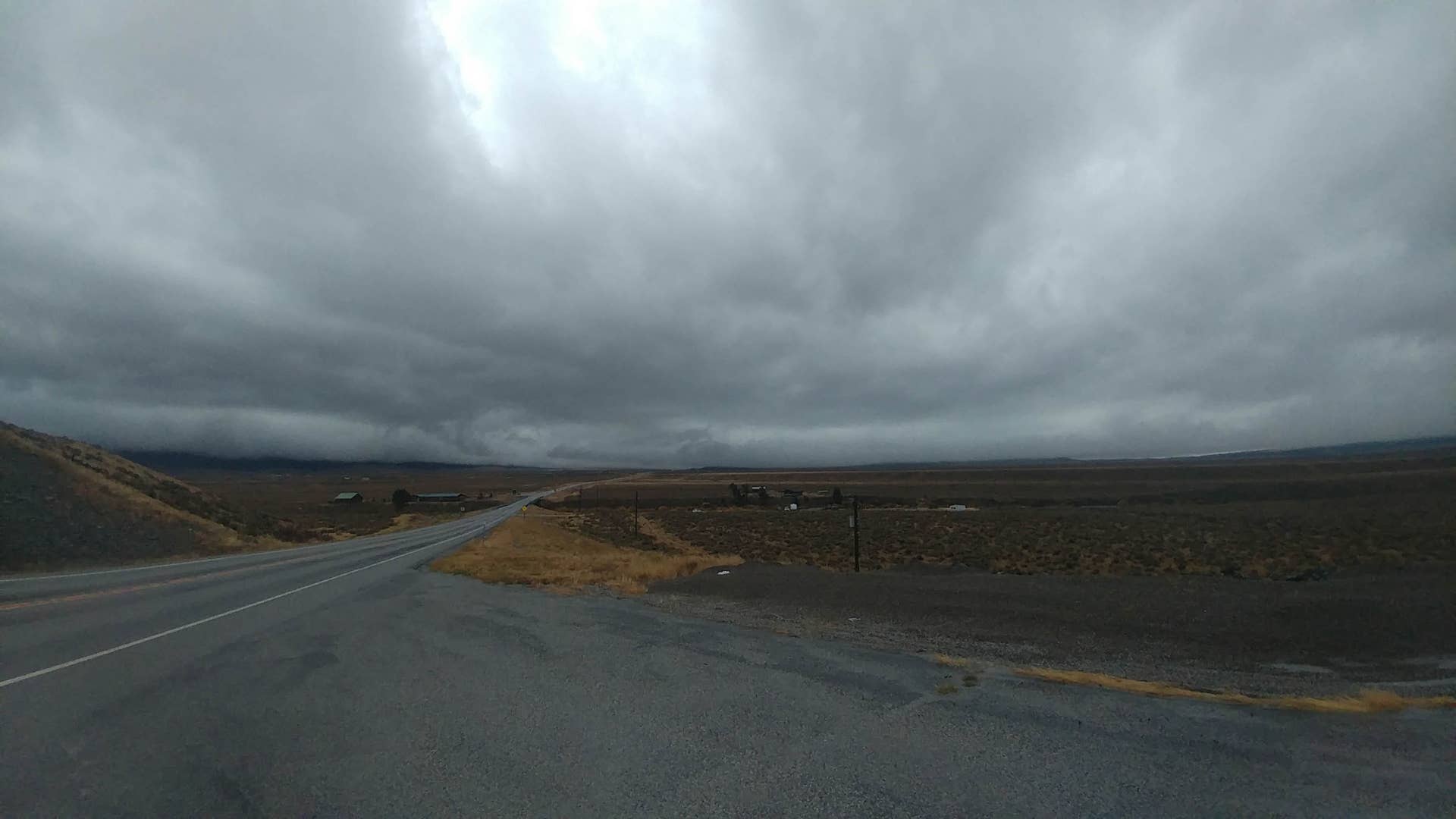
Supporters of the bill frequently point to Montana, which experimented with removing daytime speed limits on rural highways in the 1990s. According to a legislative audit cited by proponents, average speeds did increase after limits were lifted, but crash and fatality rates per vehicle mile traveled continued to decline and remained comparable to neighboring states.
Jonathon Ramsey
The more important finding, supporters say, had less to do with speed itself and more to do with driver behavior. Factors like seatbelt use, impaired driving, and overall attentiveness played a larger role in safety outcomes than the number posted on roadside signs.
Kupper argues that most drivers already adjust their behavior based on conditions. A congested city freeway and a straight, empty rural interstate demand different approaches, and the RAPID Act is meant to reflect that reality.
Final thoughts
The bill, formally known as HB 2059, will be taken up during Arizona’s 2026 legislative session. If it passes, ADOT would still control where and whether derestricted zones actually appear.
For now, the proposal is sparking debate over a familiar question: Are speed limits primarily about managing dangerous behavior, or are they blunt tools that don’t always fit modern roads? Arizona lawmakers may soon decide whether the answer lies somewhere between the two — at least on the state’s loneliest highways.


There are no reviews to display.