


A New Era for Audi RS
Like it or not, electrified performance is here to stay. As much as we want high-revving naturally aspirated engines, modern regulations make it a tough ask for automakers. But if it's any consolation, performance hybrids are keeping engines alive, giving us pretty impressive performance stats...and shocking curb weights.
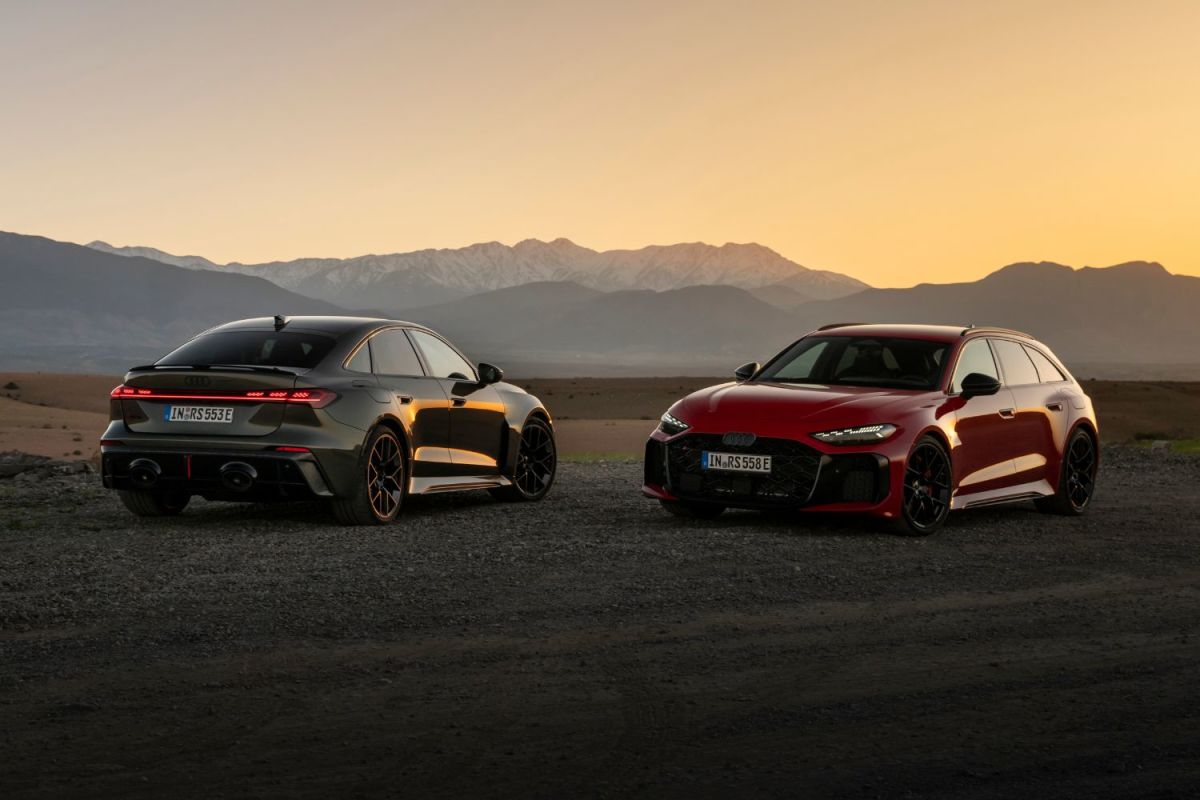
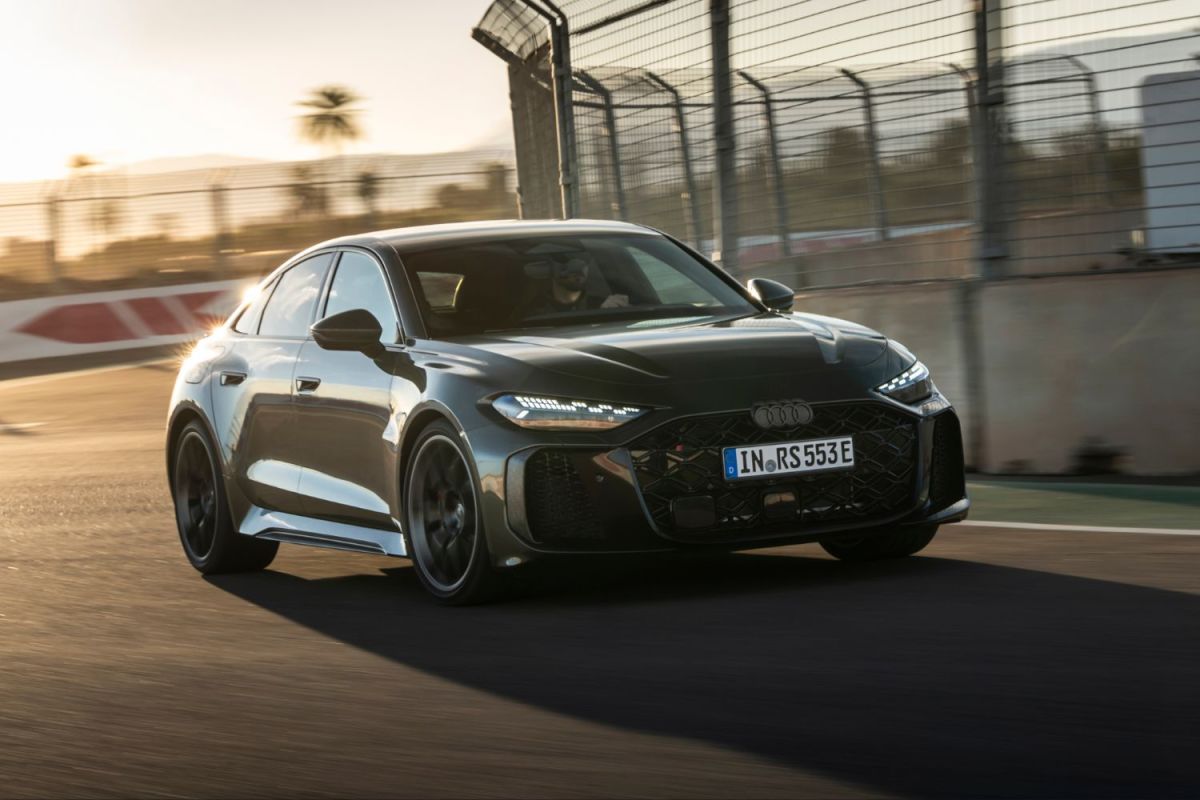
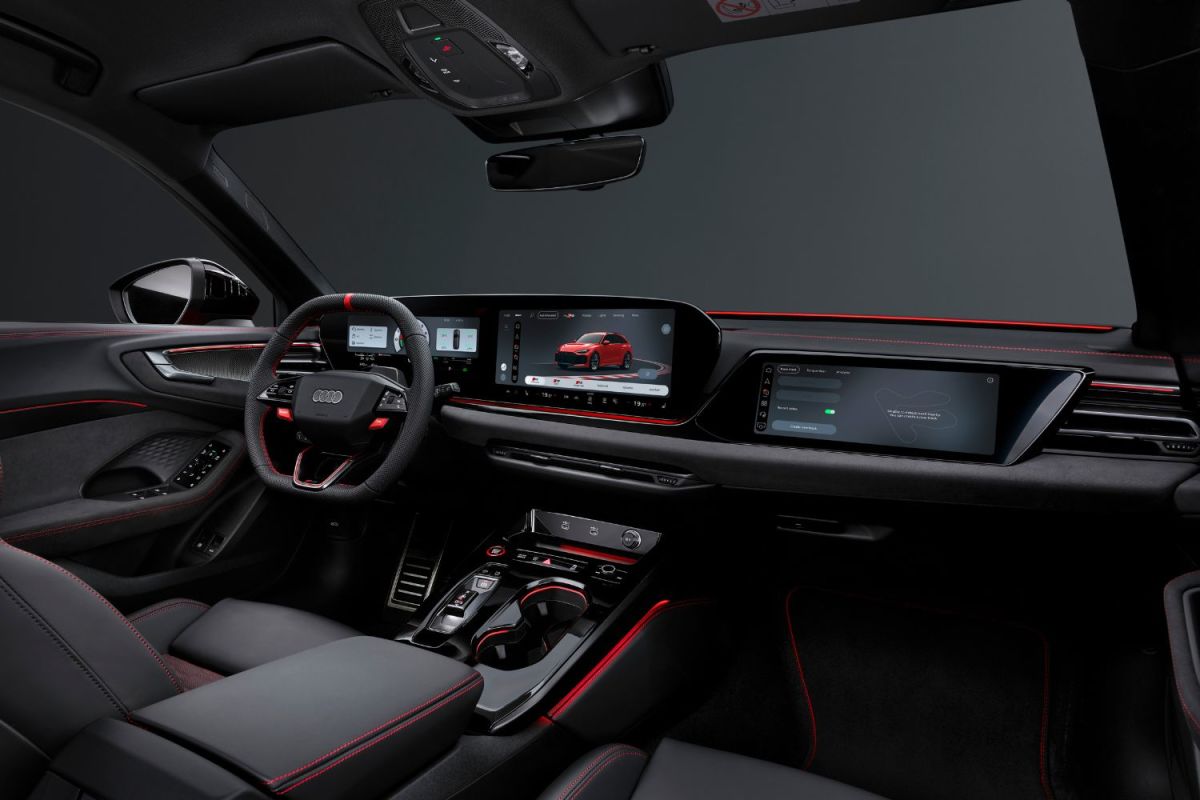
Taking a page from BMW and Mercedes-Benz, Audi has entered the plug-in hybrid performance arena with the all-new RS 5. It's the company's first model of its kind, and there's a lot riding on its (very) broad shoulders.
Audi
Six or Nothing
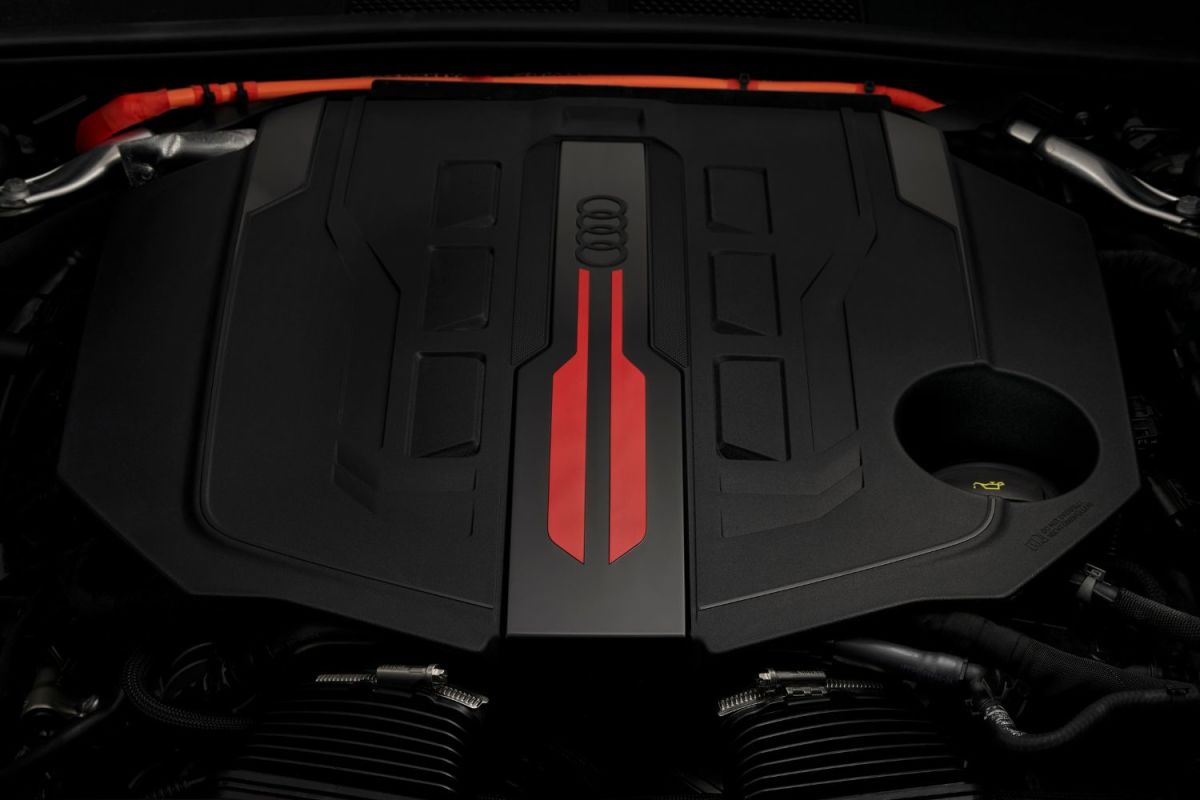
The first two generations of the RS 4 and RS 5 featured wonderful naturally aspirated V8s. But by the third generation, that's been replaced by a 2.9-liter V6. It's punchy, for sure, but it's hard to beat the symphony provided by an eight-cylinder. At least the new plug-in hybrid version didn't get downsized even further with a four-cylinder.
Speaking to Edmunds, Audi Sport managing director Rolf Michl said that a boosted four-cylinder plug-in hybrid configuration wasn't even on the cards. When asked if the company even considered it in the first place, Michl simply said "not for a single second." But before you think Audi is firing potshots at AMG, the company actually admired its competitor's bold decision.
"[AMG] has fascinating products, and the [four-cylinder] C 63 drives really well ... the car is amazing, honestly. We were impressed by the technology that was implemented there, [but] at the end, between a technological solution and the customer’s decision, sometimes there is a bit of a gap. You have to listen to the customer, and obviously, it is a step-by-step approach," said Michl.
Audi
A Non-Hybrid was Considered
Audi had intended to use the 2.9-liter V6 from the start, but what's surprising here is that the brand actually experimented with a non-hybrid version. However, the end product still tipped the scales close to 5,000 lbs. In the end, the addition of the plug-in hybrid system was chosen because of the close weight difference.
Another reason Audi chose a hybrid system is regulations. It would've been challenging for the company to make the twin-turbo V6 meet emissions standards without any electrification.
Audi
Preserving a Legacy
The fact that the RS 5 still uses an engine means Audi is trying to keep the heritage and legacy of the compact RS models alive. While the V8 models are iconic, the use of a twin-turbo V6 is actually closer in spirit to the original RS 4.
The first-generation RS 4 was from the B5 generation and was available only as an Avant. Under its hood was a 2.7-liter twin-turbo V6 sourced from S4 and uprated to 375 hp and 325 lb-ft of torque. Of course, it had no electric assist whatsoever, but the link is there.
It's unlikely that we'll see a V8 under the hood of the RS 5 in the future. For that, we'll have to wait for the next-generation RS 6, and that one's likely to get plug-in hybrid tech as well.
Audi


There are no reviews to display.