


Flagship Cars, Flagship Expectations
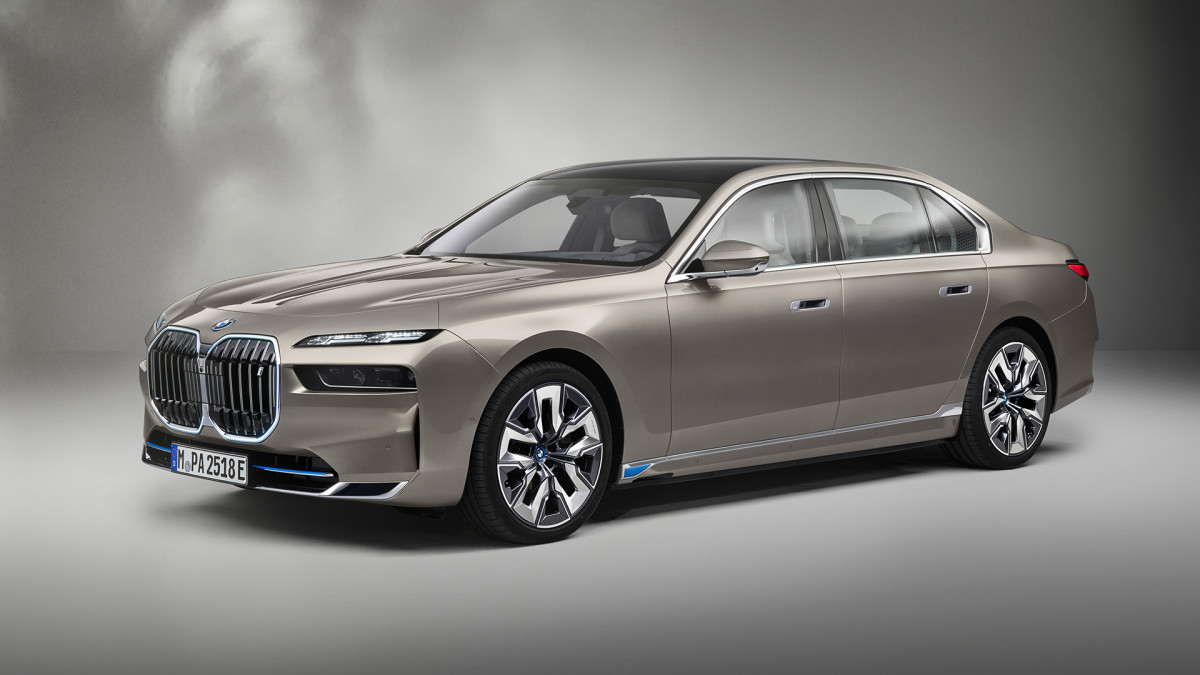
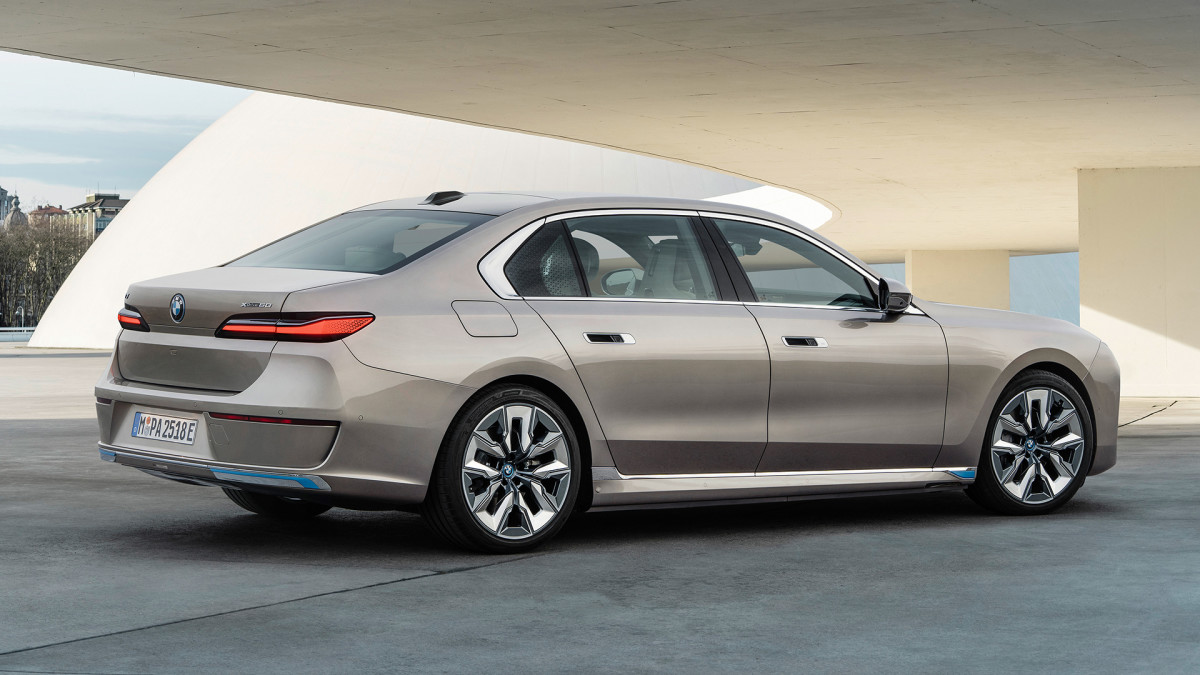
Flagship sedans have always been tech showcases, and lately that’s meant pushing into hands-free, eyes-off driving – what the SAE officially considers Level 3 autonomy. When BMW launched the current G70 7 Series, it grabbed attention as the first BMW with a certified Level 3 system, called Personal Pilot L3. It was BMW’s way of showing up its German rivals.
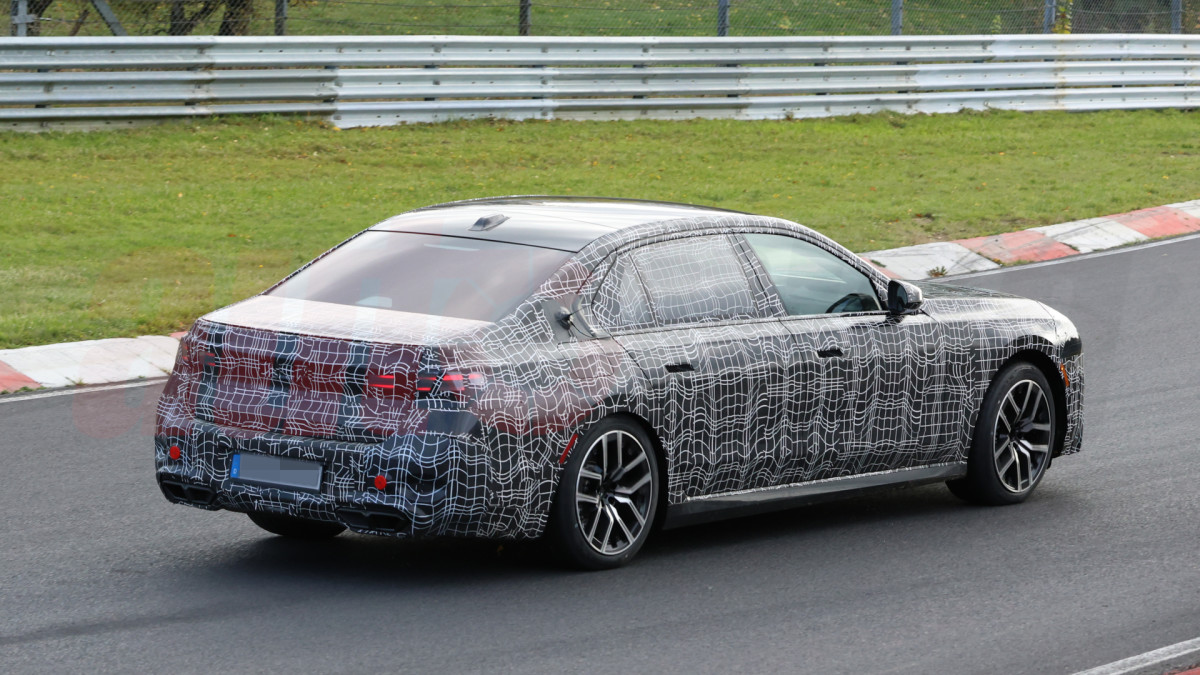
But that move didn’t last. According to Automotive News, the next 7 Series LCI update, expected this year, will ditch Level 3 entirely. Instead, BMW will fit its latest Level 2 system, already used in the new iX3. It’s simpler, costs less, and works in more situations, though drivers still have to stay in charge.
Personal Pilot L3 never really caught on – it was expensive, only worked on certain highways, and topped out at 37 mph in Germany. The tech – LiDAR, radar, cameras, and sensors – added cost and complexity for a feature most owners barely touched. On paper, it sounded great, but in real life, it just didn’t deliver.
BMW
Mercedes-Benz Looking Past Level 3
While BMW is pulling back, Mercedes-Benz is looking to leap ahead. The next S-Class is being built as the base for a Level 4 robotaxi, not just a car with eyes-off driving for owners. Mercedes is building in backup systems for steering, brakes, power, and computers right from the start.
This changes the game. Level 4 skips the tricky handoff between driver and car that Level 3 struggles with, letting the car handle itself in certain situations. Mercedes is teaming up with Nvidia for the tech and with ride-hailing partners for real-world use, with first launches set for a few major cities.
BMW
An Industry-Wide Reality Check
It’s not just the German luxury brands rethinking things. According to Reuters, several carmakers are backing away from Level 3. The costs can hit $1.5 billion for highway-ready systems, and with legal questions and low buyer interest, it’s a tough sell. Stellantis has put its Level 3 plans on hold, and Mercedes has paused some of its own work in the US.
The main issue is that Level 3 autonomous driving puts more risk on carmakers but doesn’t offer much extra convenience. Advanced Level 2 systems, on the other hand, operate at higher speeds, cover more roads, and are much cheaper to deploy. With Chinese brands now adding smart driver aids to everyday cars, the push to make this tech affordable is only getting stronger.
SH Proshots/Autoblog


There are no reviews to display.