


BMW and Mercedes are stepping back from Level 3 autonomy. Both had bet heavily on eyes-off driving, but high costs, limited use cases, and weak demand killed the push. In walking away, they've handed a quiet vindication to Tesla, the company the industry spent years mocking for refusing to go down the same road. Tesla held firm at Level 2+ and built its system around cameras rather than expensive LiDAR sensors. That last point drew particular ridicule. Cameras struggle in fog, heavy rain, and low-visibility conditions, but LiDAR does not. The consensus was that Tesla was cutting corners. It's now looking more like Tesla read the market correctly, and everyone else got ahead of themselves.
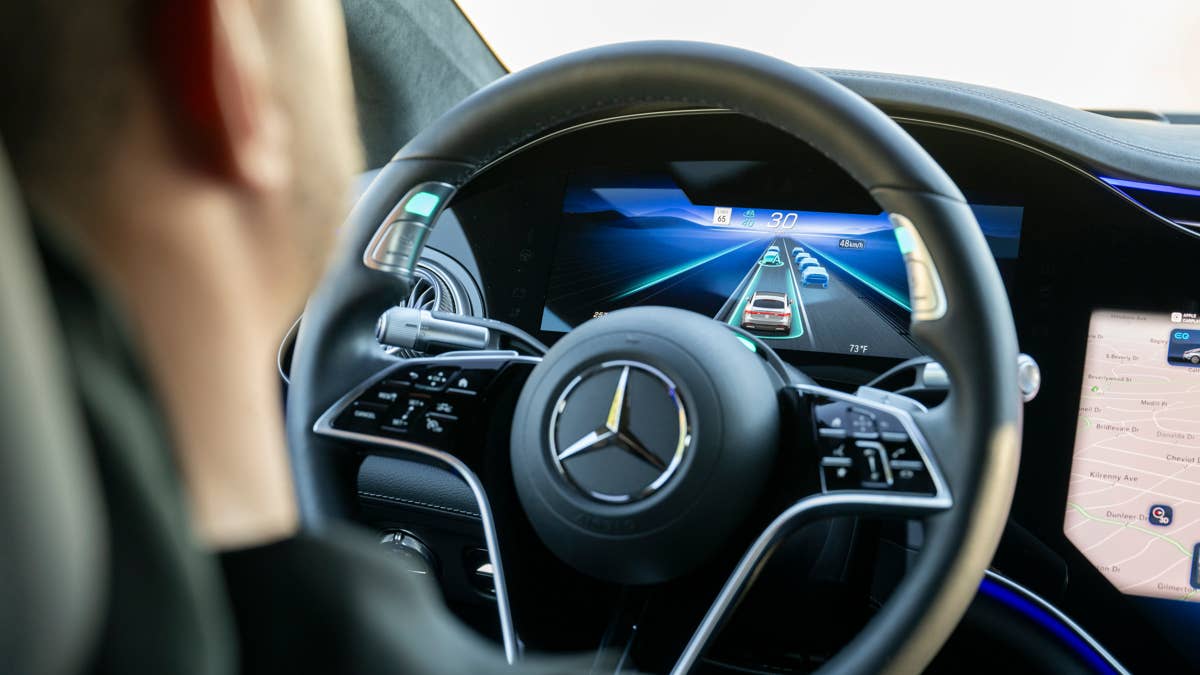
Mercedes-Benz
Why Level 3 Costs a Fortune
The SAE's autonomous driving scale runs from Level 0 (fully manual) to Level 5 (fully driverless). Most cars on the road today sit at Level 1 or 2, meaning the system assists but the driver remains responsible. Level 2+ systems, like Tesla's Full-Self Driving, can steer, brake, and accelerate independently but still demand constant human attention. Level 3 is the tipping point, where the car takes over, and the driver can legally disengage.
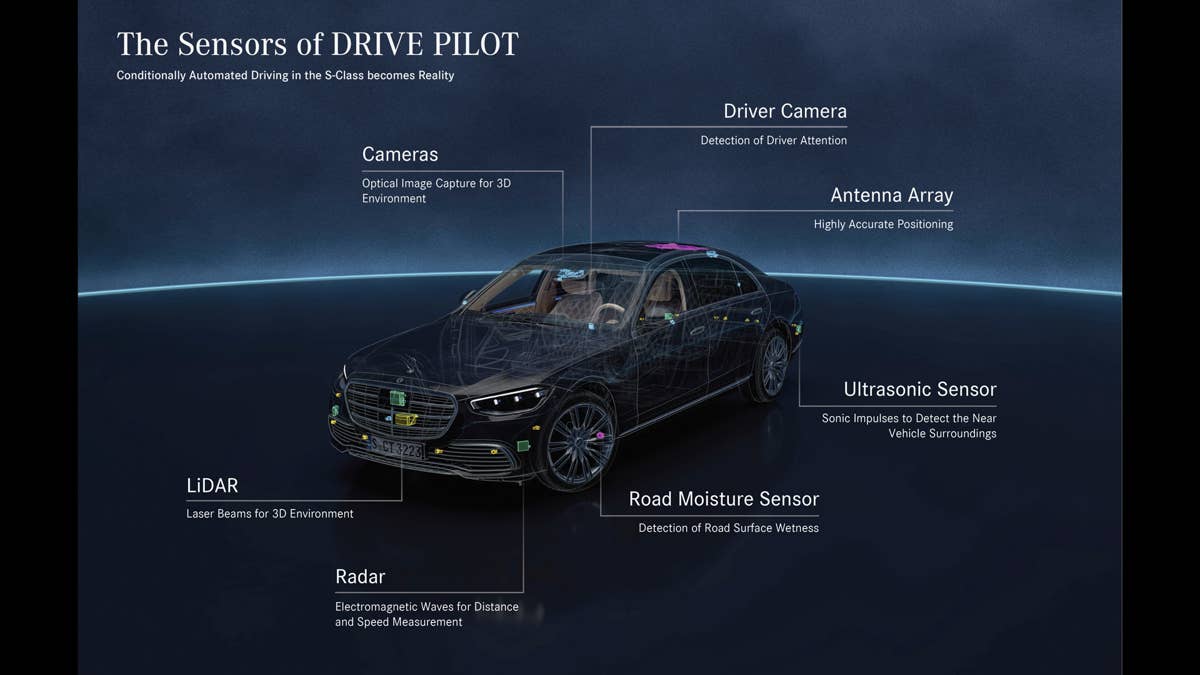
According to a McKinsey study, software development, testing, and validation cost four to seven times more at Level 3 than at lower autonomy levels. For BMW's 7 Series, the Level 3 option was priced at roughly $7,000 on top of an already expensive vehicle, and understandably, few buyers chose it. A BMW spokesperson confirmed this, telling Automotive News that although the company brought the technology to production-ready status, no Level 3 function would feature in the revised 7 Series, because system costs and validation expenses remain very high.
Why the Roads Aren't Ready, and When They Might Be
The harder truth is that the world's infrastructure simply wasn't built for autonomous vehicles. Mercedes’ Drive Pilot was initially capped at 60 kmph or 37 mph (later 95 mph or 60 mph), required a vehicle ahead of it to function, and only operated in clear weather on specific mapped motorways. Inconsistent lane markings, unpredictable road users, and fragmented regulations across countries make Level 3 autonomous driving difficult to guarantee.
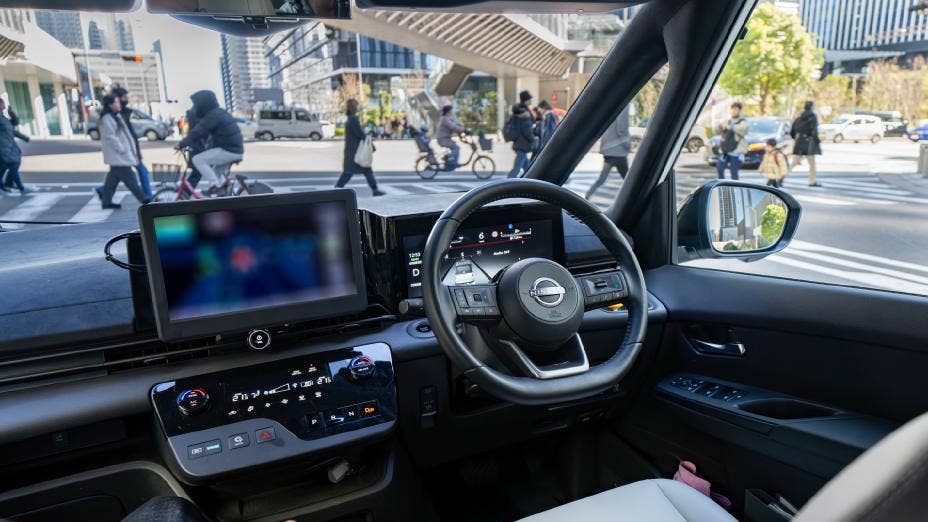
The original promise of self-driving was compelling. Road accidents kill over 1.3 million people globally each year, and human error accounts for the vast majority. Autonomous driving could, eventually, change that. But most experts now place meaningful mass-market Level 4 deployment somewhere between 2035 and 2040, and only in well-mapped, well-regulated urban environments. Not everyone is retreating in the meantime. General Motors is still pressing forward, testing an eyes-off, hands-free system in a fleet of 200 vehicles, with Level 3 targeted for its Cadillac Escalade IQ by 2028. On the whole, the destination remains worthwhile. It’s just that the road there looks increasingly like the one Tesla mapped out years ago.


There are no reviews to display.