


Building on the iX3's Foundations
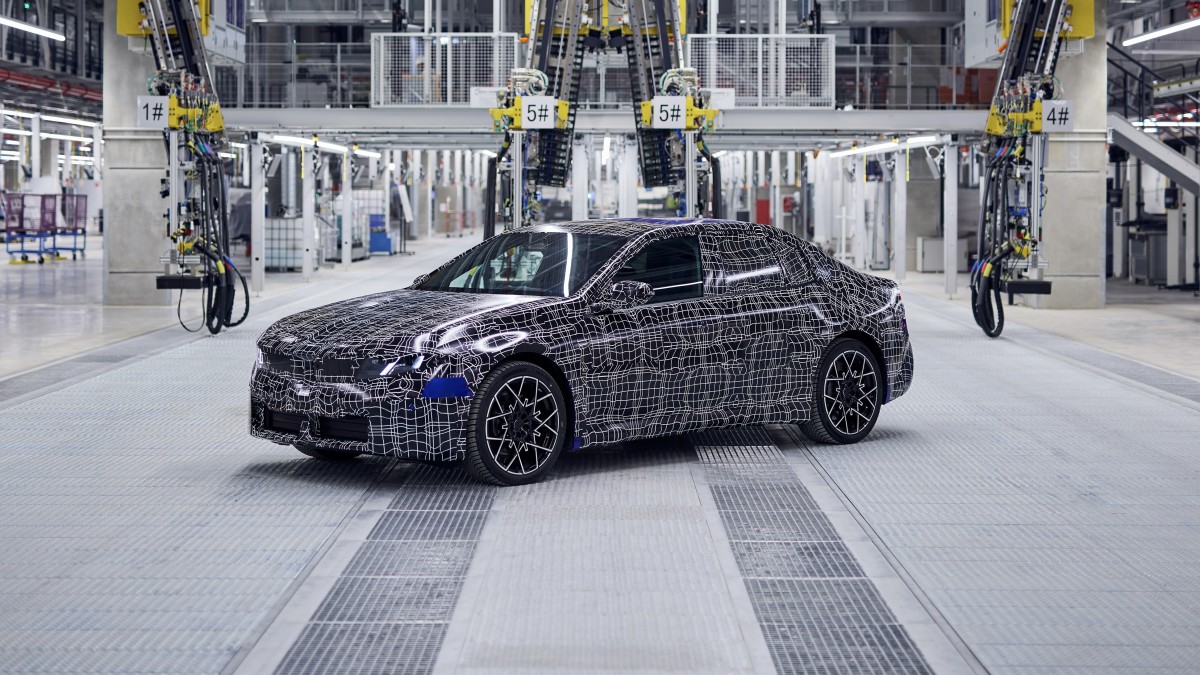
Building an eco-friendly car isn't just about zero emissions. The thing is, a lot of energy is used in vehicle assembly, from the supply chain to the materials used. With that, BMW says it has been continuously improving how it builds cars with a smaller carbon footprint.
Granted, BMW's been doing that for decades, starting with the E36 3 Series, but we can see more of its efforts with the current lineup, particularly with the iX3. The German automaker repeatedly emphasized its efforts to build it as cleanly as possible, and with more Neue Klasse models coming, the 2027 i3 will also receive the same treatment and process.
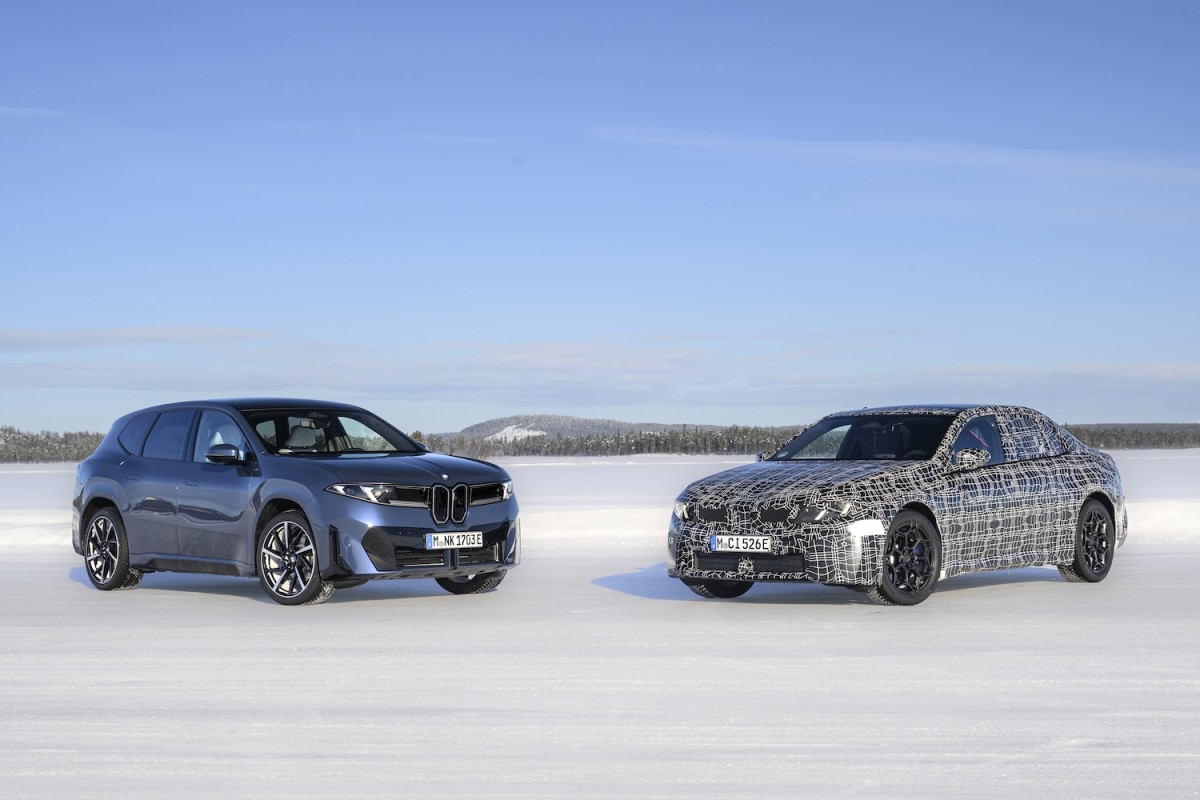
BMW
Net Zero Carbon
According to BMW, its Gen6 batteries, as seen in the iX3 and the upcoming i3, contribute significantly to the brand's efforts to reduce emissions across the supply chain. There's that, and simplified assembly processes involved in building the car help the company in achieving its goal of being as carbon-neutral as possible.
Like the iX3, the i3 will also have more recycled and recyclable materials integrated within it. For instance, the fabrics it will use for the seats are made from 100% recycled PET. BMW claims this significantly reduces CO2e emissions and water consumption during manufacturing. The company adds that exterior panels, such as the front bumper, are composed of 30 percent recycled plastic.
Aside from that, the plastic panels can also be upcycled by the end of the vehicle's life, further reducing waste. Other components have also been designed in a way that they will be easy to separate upon dismantling.
Other Green Materials in the i3
You might be surprised to learn that some aluminum components in the i3 are made from secondary sources. A large percentage of the front and rear knuckles for it were cast from recycled aluminum, as was the housing for the rear electric motor. As for the wheels, that's about 70 percent secondary aluminum.
There are more recycled materials visible in the 'frunk' area of the i3. BMW says it is made from 30 percent recycled maritime plastic, such as fishing nets and lines. The same material can also be seen in other parts of the interior, namely textiles for the headliner, A-pillar, and parcel shelf.
It's worth noting that BMW won't be limiting its sustainability efforts to EV models only. In fact, some of these methods are already being applied to a couple of models in its lineup. The iX is a good example of that, as well as the 7 Series, 5 Series, and X3. Expect the facelifted versions of those models to get more secondary materials soon.
BMW


There are no reviews to display.