


Racing the Gas Pump
Electric vehicles have come a long way in making themselves more appealing to buyers, particularly by addressing range anxiety through improved DC fast-charging capabilities. However, most models — including the Hyundai Ioniq 5 — still require around 20 minutes to charge from 10 to 80 percent, which is considerably longer than the few minutes it takes to refuel a gasoline-powered car.
BYD — the automaker that bested Tesla in BEV sales last year — may have a potential solution to that concern. BYD is testing new charging stations in Shenzhen, China, capable of delivering up to 1,500 kW. That’s roughly three times the peak output of Tesla’s V4 Supercharger. Tesla’s 500 kW capability, however, is currently limited to the Cybertruck, as most of the brand’s other models — including 400-volt EVs like the Model 3 — are not engineered to safely handle that level of charging power.
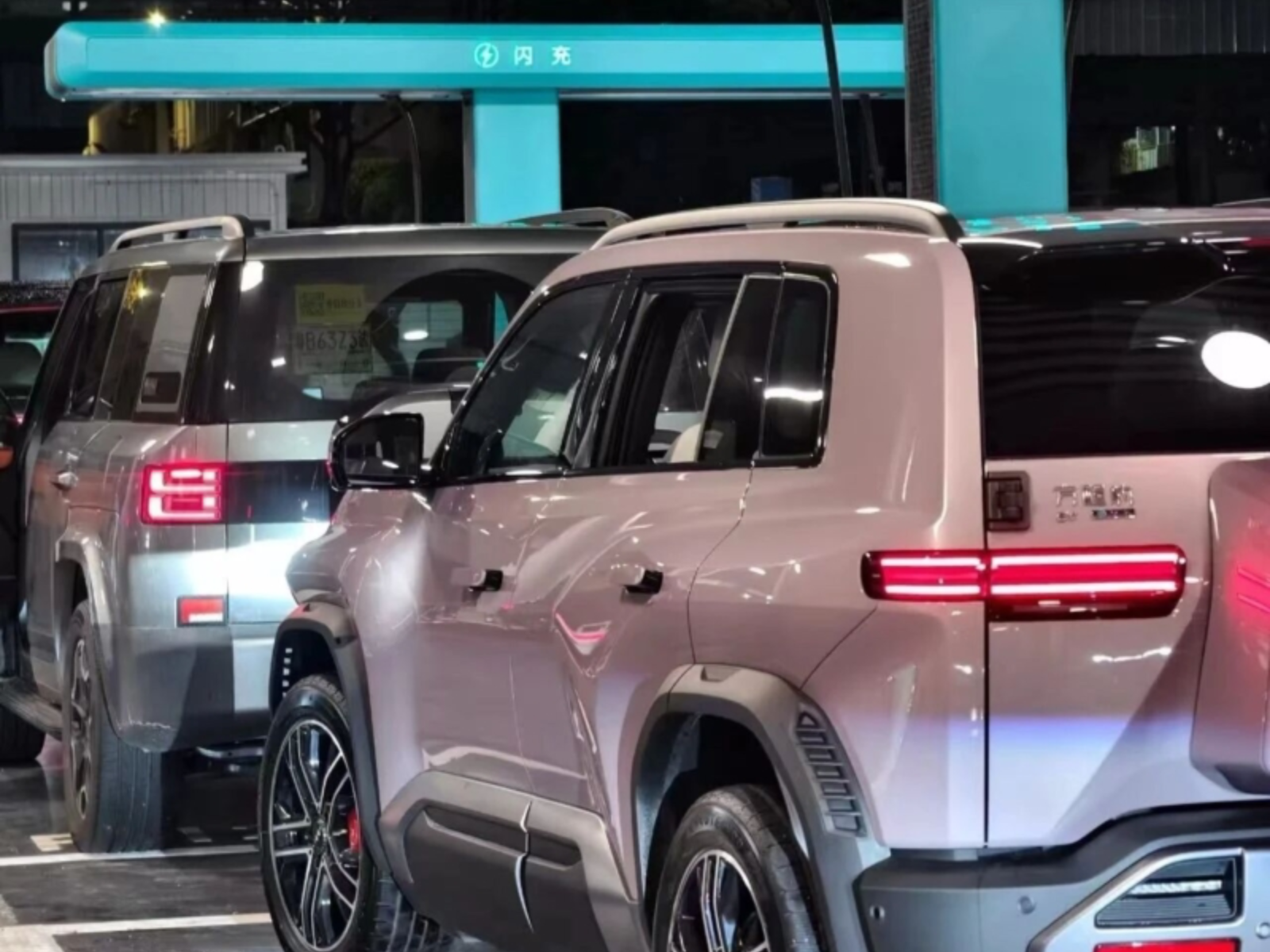
Charging on Steroids
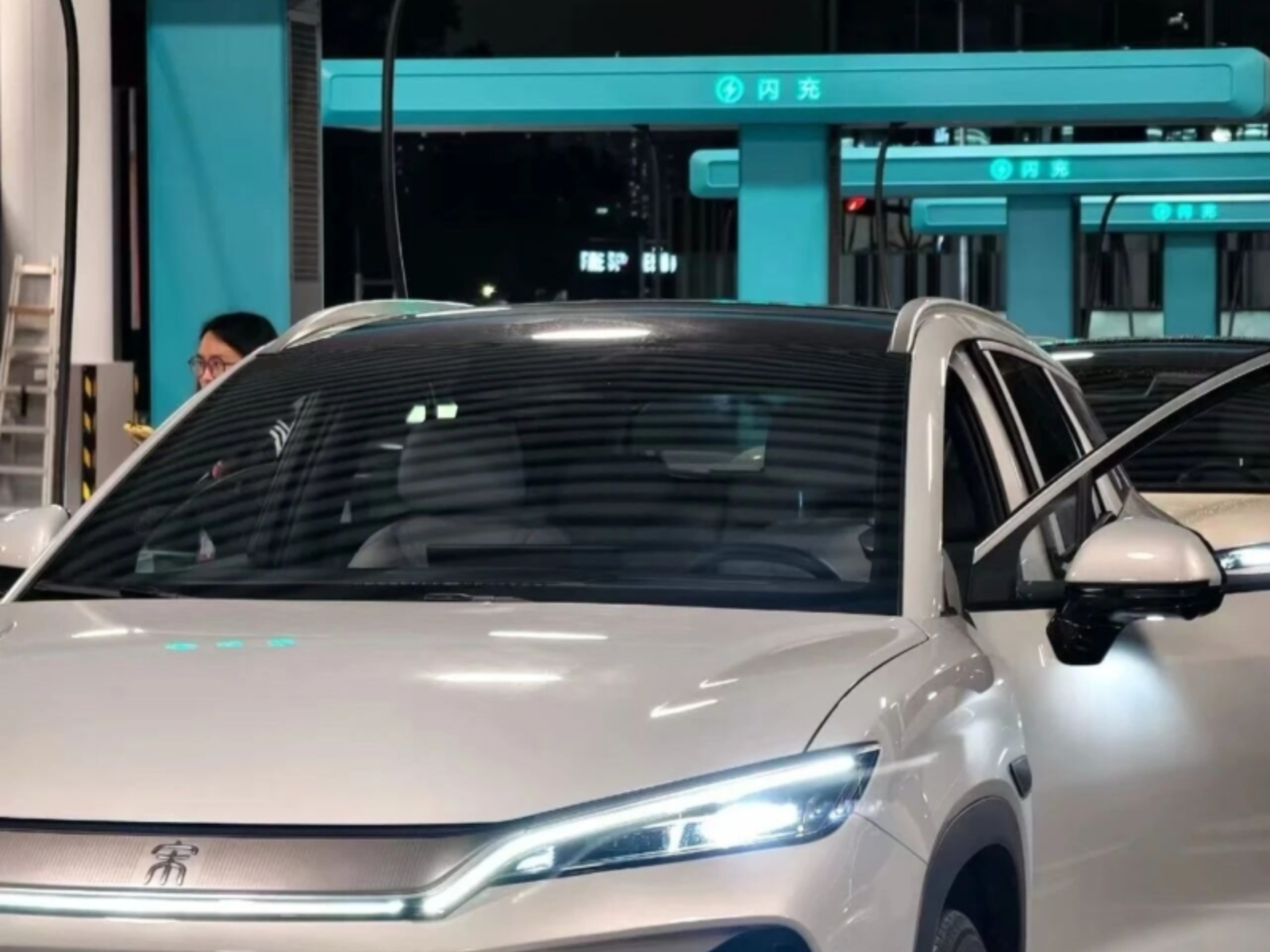
The in-development charging station in China adopts a layout similar to traditional gas stations, allowing vehicles to simply pull up to an overhead plug rather than maneuvering into a parking space or backing in — a setup commonly seen at conventional EV charging sites, including locations like the Tesla Diner. The chargers are reportedly liquid-cooled and mounted to T-shaped gantry structures, operating on a 1,000-volt electrical architecture designed to support ultra-high charging speeds for models with the “Flash Charge” badge.
As a safety precaution, the charging process is said to automatically cut off at 97 percent state of charge.
The report states that BYD may be looking to establish 4,000 self-operated “Flash Charge” stations across China. That figure rises to 15,000 when including locations developed in partnership with other network operators. As of this writing, however, there is no official timeline for the rollout of the 1,500-kW charging capability.
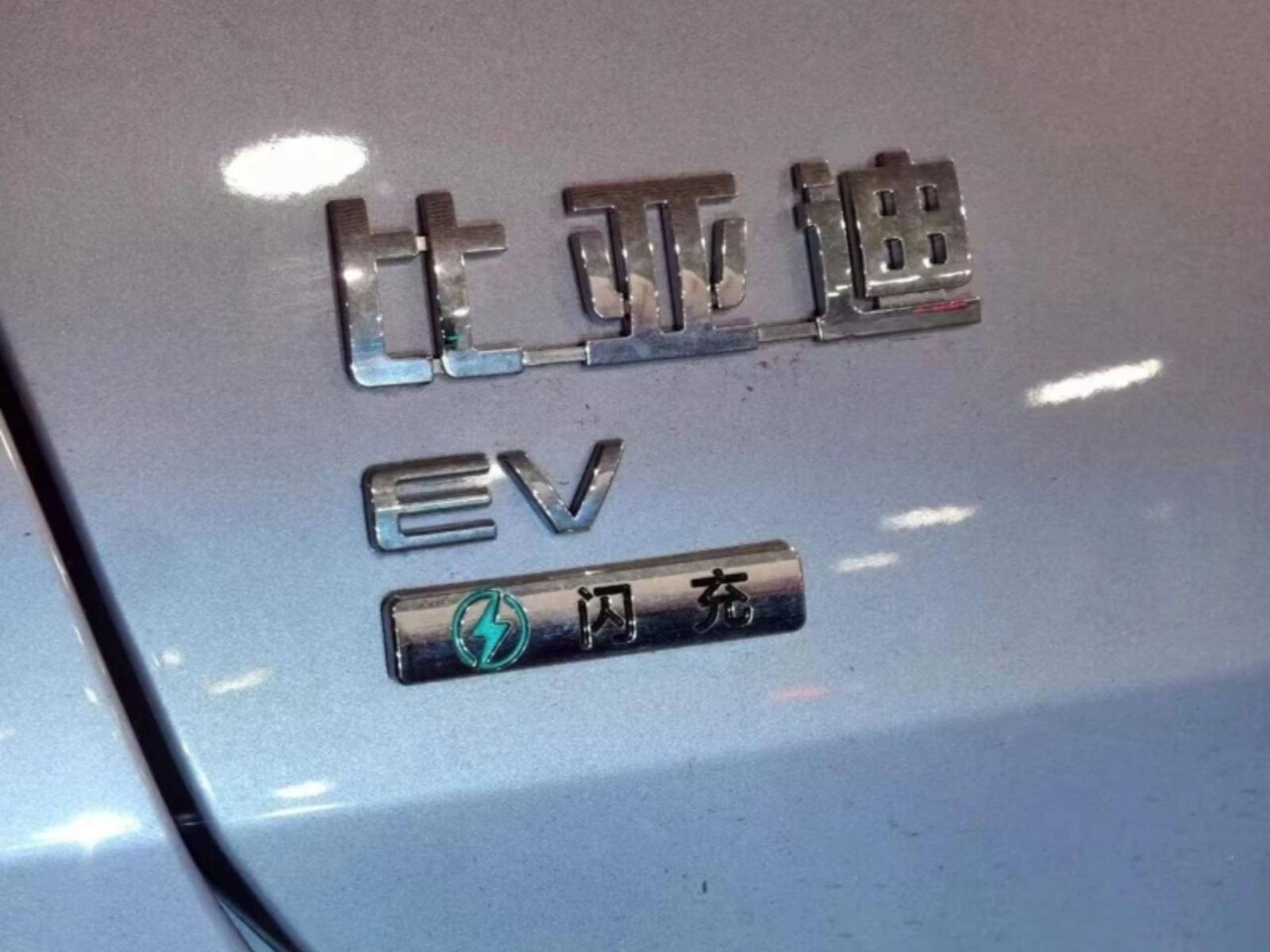
The Next Chapter for EVs
This technology is just one of many EV charging solutions emerging from China. Another notable example is the battery-swap station, which — as the name suggests — replaces a depleted battery with a fully charged one in a matter of minutes. Last month, Nio — the automaker behind the 1,341-horsepower EP9 — set a record of 146,649 battery swaps completed in a single day.
In the U.S., major DC fast-charging stations — including networks such as Electrify America — are capable of delivering up to 350 kW. The EV ecosystem saw strong growth at the start of the decade, though momentum has since slowed amid shifting policy priorities under the current administration, which has enabled a broader mix of powertrain technologies, including gasoline-powered engines.


There are no reviews to display.