


Fuel Prices are Doing the Selling
Rising fuel prices – driven by trouble in the Middle East – are putting EVs back in the spotlight. As oil prices rise, it’s easier to show buyers why EVs make sense. Lower running costs, fewer trips to the pump, and less stress about sudden price hikes turn EVs from a trend into a smart, everyday choice.
This isn’t just a US story. Europe, the UK, Brazil, and plenty of developing markets are all seeing more people switch to EVs. Chinese brands like BYD are ready for it, with a lineup that fits both new and established markets.
Interestingly, the US market is not part of BYD’s immediate concern. Speaking to the BBC during the Beijing Auto Show, BYD executive vice president Stella Li made that clear.
“We survive and are successful without the US market today,” Li said.
Instead of chasing American buyers, BYD is busy trying to keep up with everyone else. Places like Brazil, the UK, and Europe are already asking for more cars than BYD can build right now.
“Consumers feel the daily savings when oil prices increase. EVs help them save money every day,” she added.
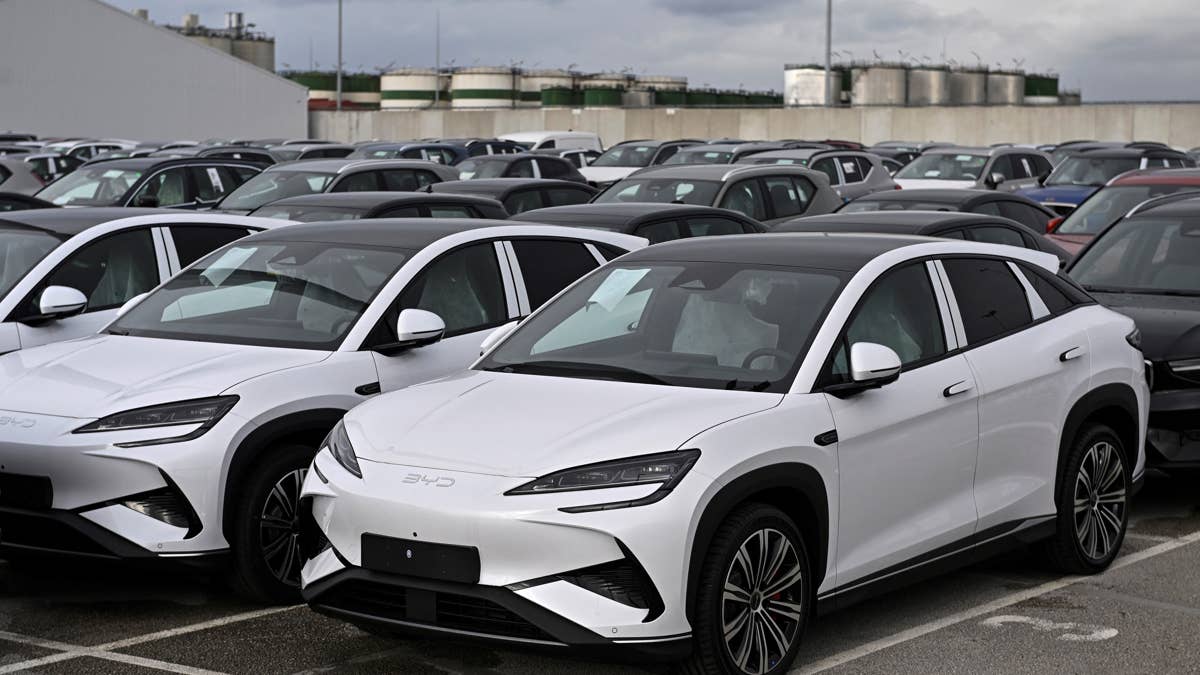
Photo by ANDER GILLENEA/AFP via Getty Images
Too Much Demand, Not Enough Supply
It sounds like a good problem, but for a company moving as fast as BYD, hitting production limits gets old fast – just ask Ford, which is currently dealing with problems with the F-150. Even BYD admits supply is the real headache at the moment.
“Actually, we are now suffering [insufficient] capacity. Our demand is much higher than what we can supply,” Li said.
That tells you a lot about where EVs are headed. While some carmakers are still arguing about when to go electric, BYD’s problem is the opposite: buyers are already on board, and the factories are scrambling to keep up.
The next move is to get deeper into North America, but not by starting with the US. Canada is shaping up as BYD’s way in, with reports saying it could be the first big Chinese brand to make a real push there. It’s a simpler entry point and keeps BYD close to a growing crowd of EV buyers.
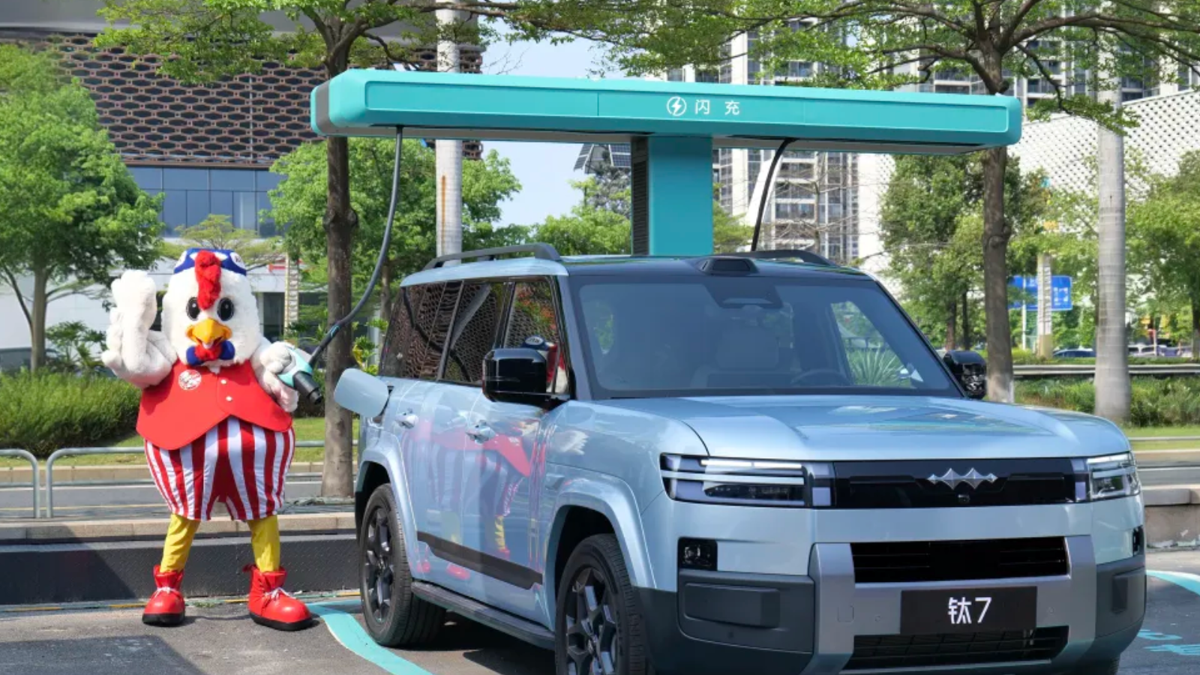
The Next Bet Is Five-Minute Charging
BYD isn’t just focused on building more cars or entering new markets. The company is also pushing hard on charging speed, and its new flash-charging tech is proof.
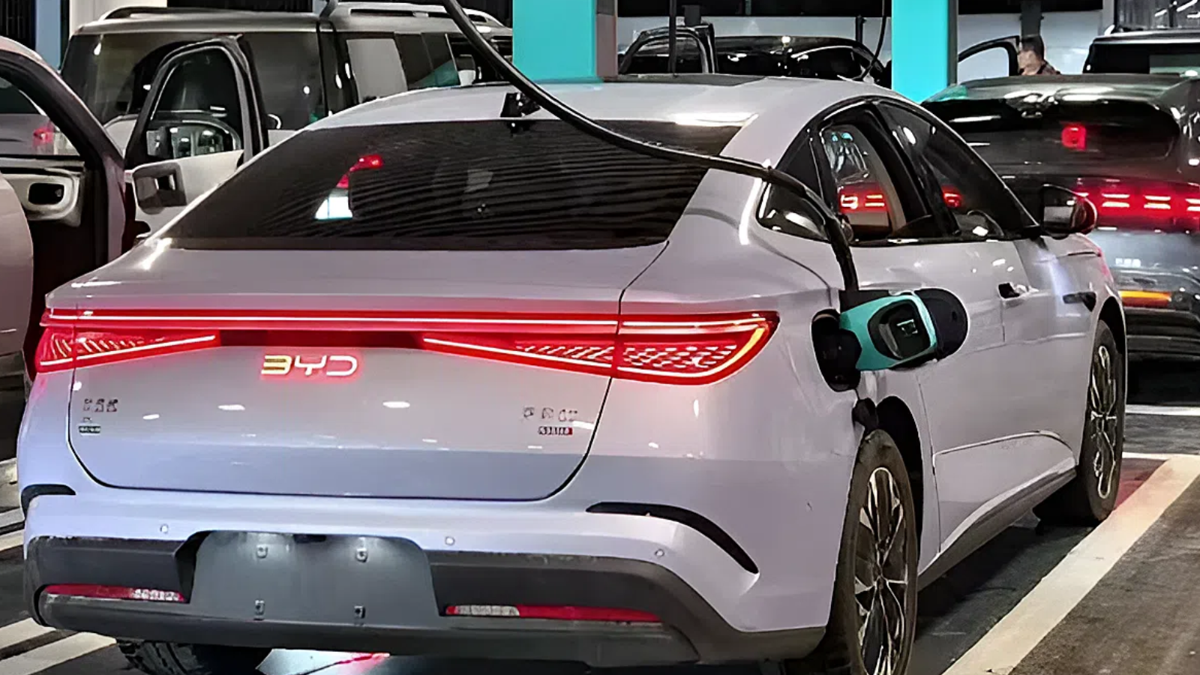
BYD’s latest system can add real driving range in about five minutes – suddenly, charging an EV starts to feel a lot more like a regular gas stop. For anyone still worried about waiting at chargers, that’s a big deal.
This lines up with where the whole industry is going. EVs are already cutting oil demand by millions of barrels a day, and making charging easier will only speed things up.
BYD gets that winning the EV race isn’t just about building more cars. It’s about taking away the last excuses people have for not switching. Right now, the real problem isn’t getting into America – it’s making enough EVs for everyone else.


There are no reviews to display.