




Life After the $7,500 Tax Credit
The discontinuation of electric vehicle incentives—most notably the $7,500 federal tax credit that expired on September 30, 2025—has significantly reshaped automakers’ EV strategies, with Tesla even being overtaken by Chinese rival BYD in global EV sales. In response to the slowdown, California is now seeking to offset some of those losses by proposing $200 million in new EV incentives.
According to a report from Reuters, California Governor Gavin Newsom is exploring plans to set aside hundreds of millions of dollars to help restore EV sales momentum in the state. California has long been regarded as the national leader in EV adoption, having become the first U.S. state to boast more public EV chargers than gasoline pumps.
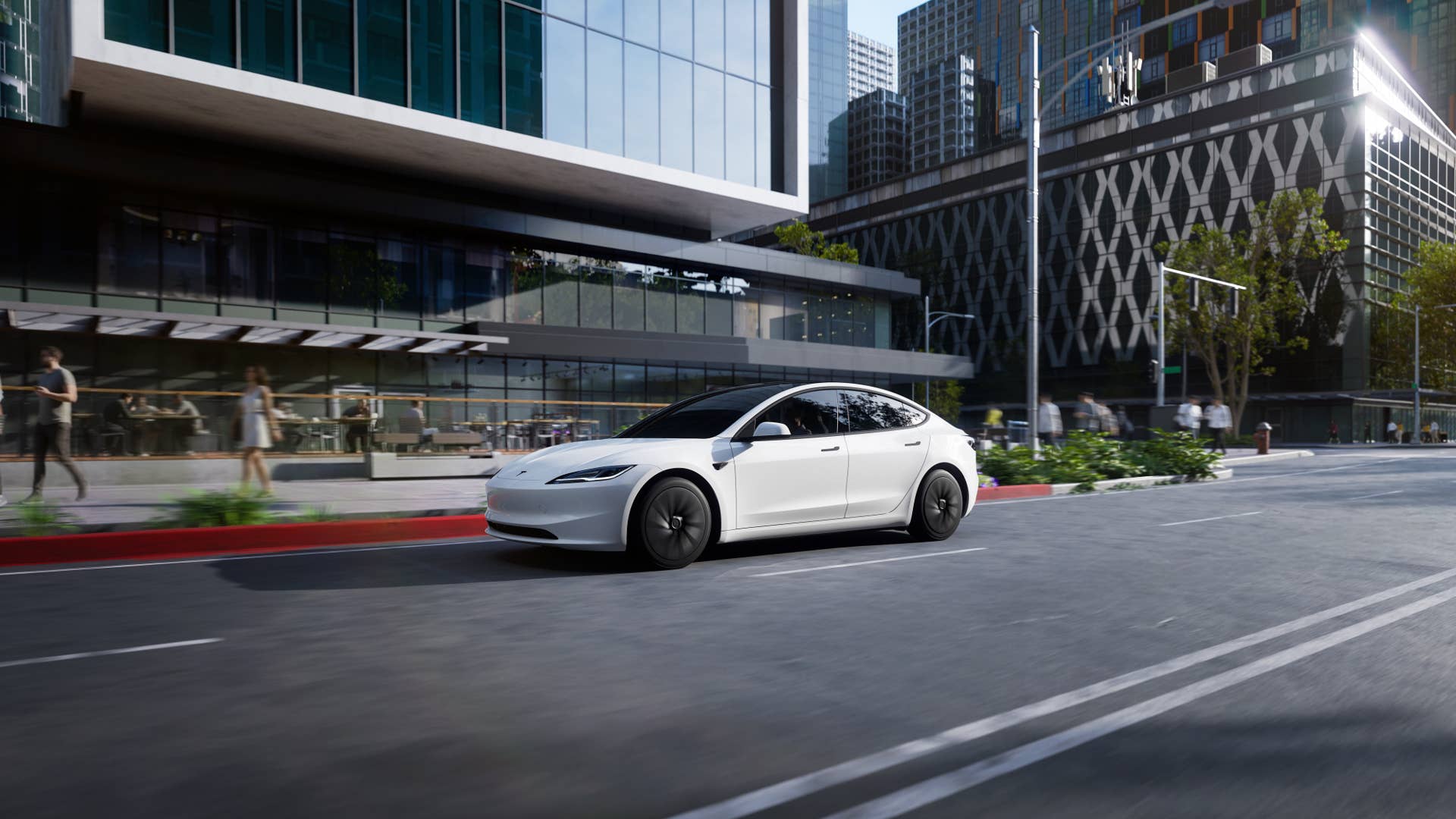
Tesla
The Cost Barrier on Full Display
Full details of the proposed incentive program are still scarce. The California Air Resources Board (CARB) has acknowledged that it remains uncertain how much funding each qualifying EV would receive. Pricing, after all, remains one of the most critical factors in EV sales, particularly as the market still lacks a broad selection of genuinely affordable models.
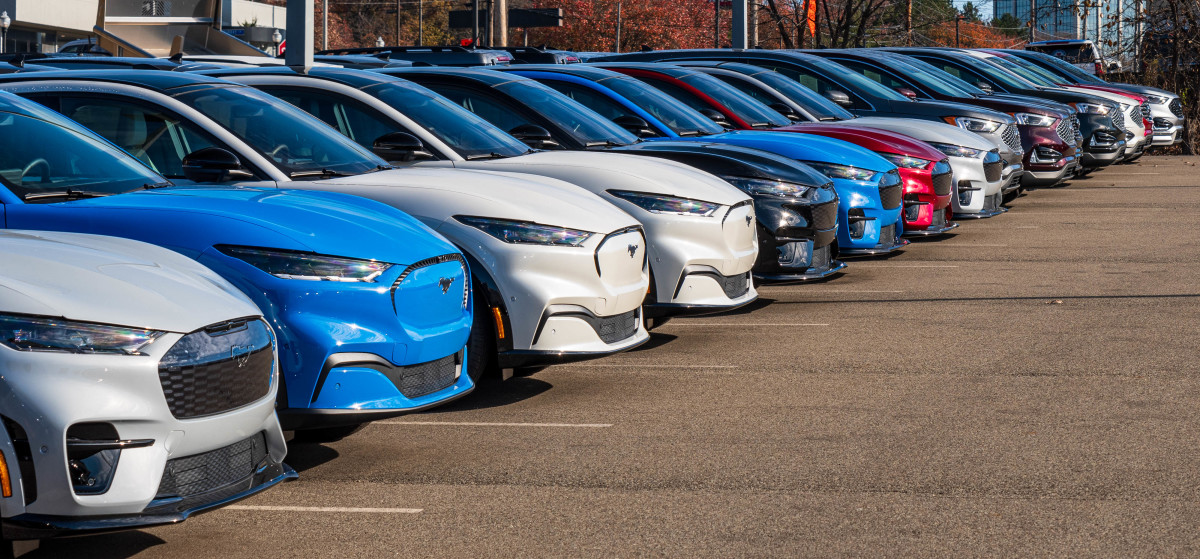
Most EVs currently on sale, such as the Tesla Model 3 and Ford Mustang Mach-E, are priced well above the $30,000 mark. However, more accessible options are in the pipeline, including the returning Chevrolet Bolt EV, which starts at around $28,995.
Irvine-based EV manufacturer Rivian is also preparing to expand its lineup with the upcoming R2, a smaller and more affordable alternative to its R1 series that will compete directly with the Tesla Model Y. Meanwhile, startup Slate Auto has pledged to introduce electric pickup trucks priced in the mid-$20,000 range.
A New Push to Reignite EV Demand
While California has not yet finalized its incentive proposal, EV sales in the U.S. experienced a notable decline in the fourth quarter of 2025—coinciding with the expiration of the federal tax credit. Rivian, for example, delivered 9,745 vehicles in Q4 2025, representing a drop of roughly 3,500 units compared to the previous quarter. At the same time, interest in internal combustion vehicles appears to be resurging, highlighted by Ram reviving the 1500 TRX, now producing 777 horsepower from its 6.2-liter supercharged Hemi V8.
Taken together, these developments raise questions about the pace of electrification moving forward. It remains to be seen how California’s ambitious plan to mandate 100 percent zero-emission vehicle sales by 2035 will ultimately play out.
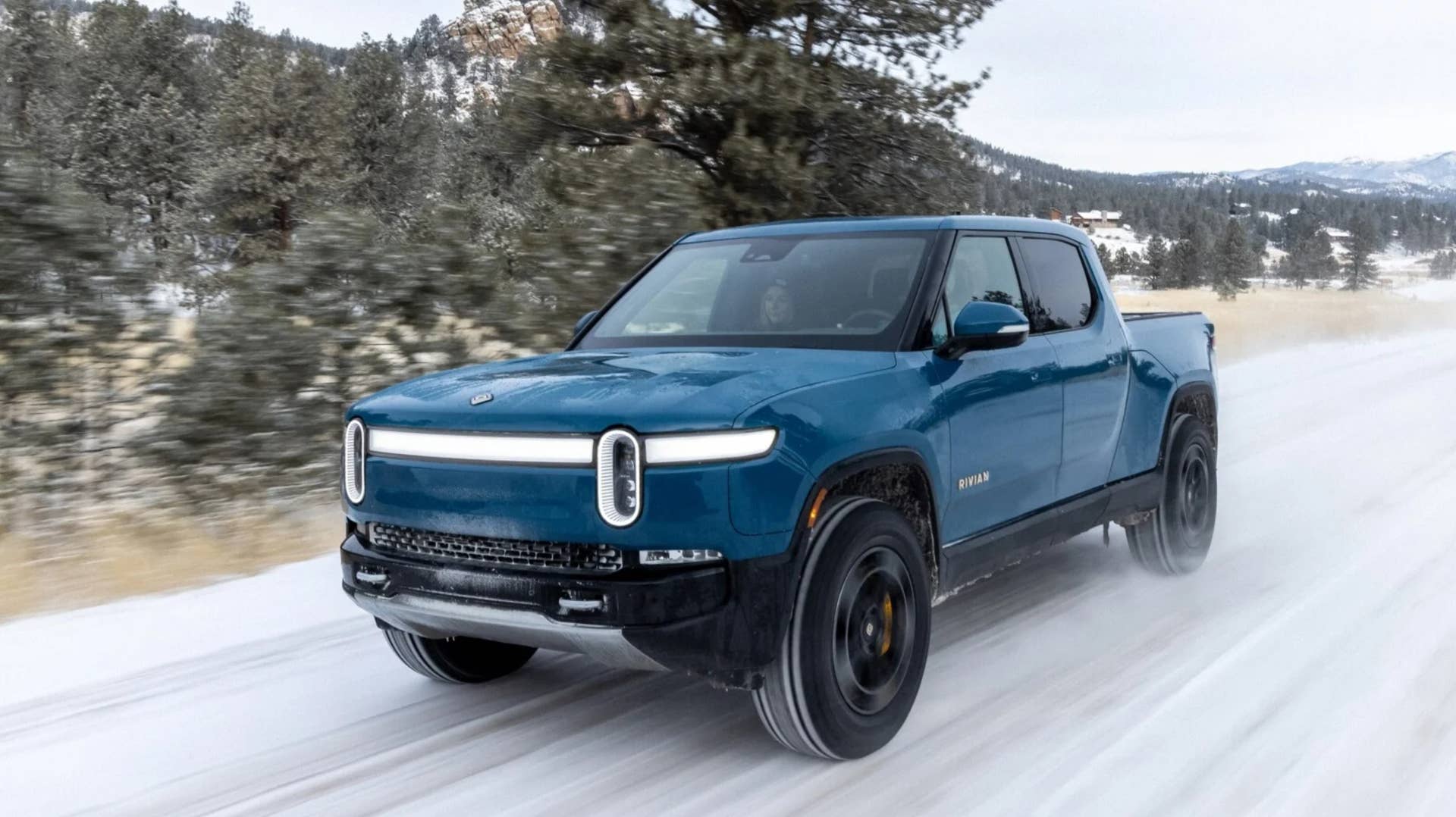
Rivian


There are no reviews to display.