


The Math Most Drivers Miss
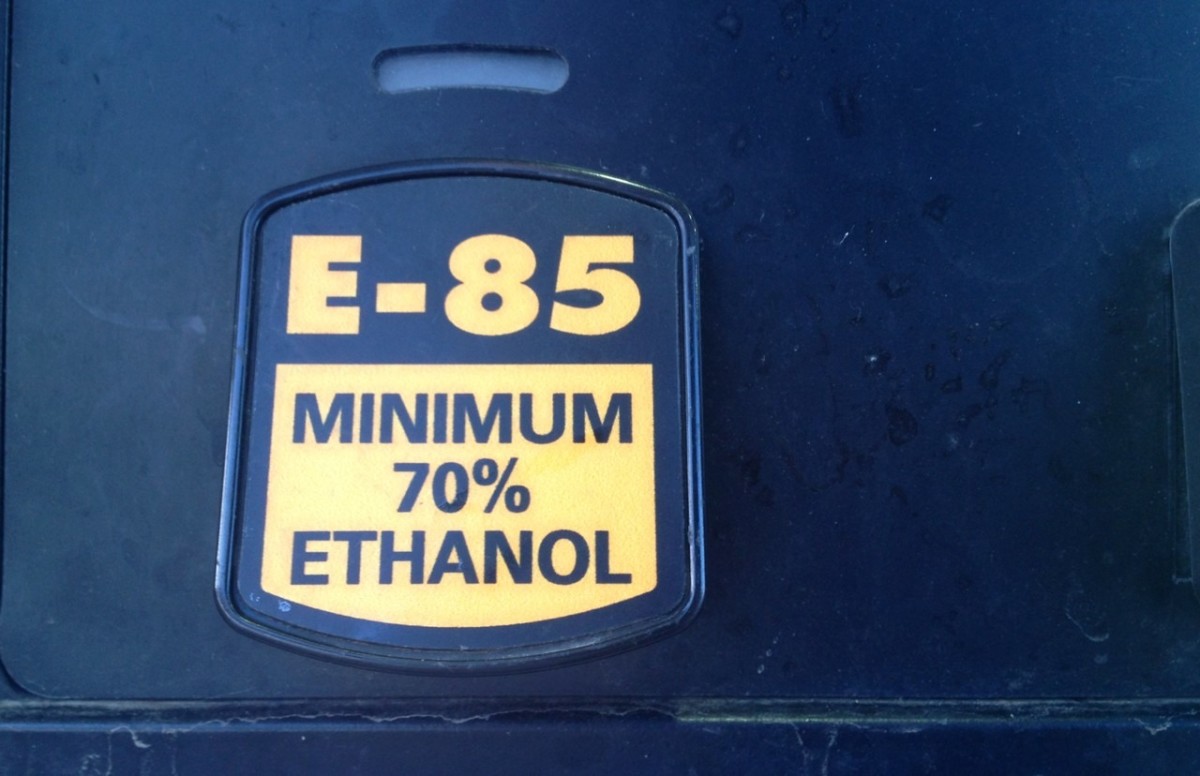
Pull up to a gas station in Iowa, and you might see E85 priced a dollar or more below regular unleaded. At first glance, this appears to be an easy decision; however, there is a factor that many of us ignore when we make this decision at the pump, and it quietly destroys the perceived savings.
E85 contains roughly 27% less energy per gallon than gasoline. This energy deficit will require your engine to use more fuel to travel the same distance, which translates to a 15–27% drop in miles per gallon depending on the vehicle and driving conditions. A truck getting 22 MPG on regular gasoline might manage only 16–17 MPG on E85, with the difference being slimmer on E10 or E15 blends.
Put these values into a cost-per-mile equation, and the lower-priced alternative may have the same cost as or even a higher cost than the original option. In general, the break-even point (where E85 costs less than gasoline in running costs) will occur when E85 is priced at least 20-25% below regular gasoline prices. That spread exists reliably in the Midwest corn belt. Coastal drivers rarely see it.
Who Actually Benefits From Running It
Flex fuel vehicle owners in the middle of the country are the clearest winners when pricing is on their side. If you're driving a flex fuel vehicle and E85 is $1.20 cheaper per gallon, the math can genuinely work in your favor, especially at higher annual mileage.
Other people who see legitimate value in E85 are performance enthusiasts. E85 has an octane rating of 100+; therefore, engines tuned for this level of performance can utilize higher compression ratios and more aggressive ignition timing than can ever be achieved with 93 octane gasoline.
Per research by Iowa State University, other drivers are motivated by both domestic sourcing and greenhouse gas emissions reduction. As E85 is typically made from American-grown corn and has significantly lower lifecycle greenhouse gas emissions than gasoline, many people choose to support E85 for these reasons. Despite the name, E85 can contain as little as 51% ethanol in the winter months. Ethanol vaporizes less readily in cold air, which is why winter-blend E85 reduces ethanol content to improve ignition.

Why Adoption Has Stayed Low
Despite over 14 billion gallons of ethanol produced in the US in 2024 (majorly going towards E10 blends), E85 as a consumer fuel has never gone mainstream. Part of the reason is structural. There are roughly 4,000 E85 stations across the country, heavily concentrated in the Midwest, compared to around 150,000 gas stations total. E85 isn’t universally cheaper or universally worse — it’s a spread-dependent fuel. Driving out of your way to save money on fuel defeats the purpose entirely.
There are also cold-weather drawbacks. Ethanol's properties make cold starts genuinely difficult in sub-zero temperatures, a real practical concern in northern states. And most drivers simply don't own a flex fuel vehicle, since FFVs require ethanol-compatible fuel lines, seals, and engine management software that standard vehicles lack.
The biggest barrier might be psychological. Seeing a lower price per gallon feels like a win, and doing the cost-per-mile math feels like homework. E85 is a pricing game, not a discount fuel. When the spread is wide enough, it wins. When it isn’t, drivers pay for lower energy density in ways the pump doesn’t show.


There are no reviews to display.