


It's Not a Recall
According to industry data, General Motors sits in the middle of the pack regarding total vehicle recalls. While avoiding the chart-topping numbers of some rivals, the automaker still regularly addresses defects. However, the latest action for certain 2021 Chevy Tahoe and Suburban models is not a recall. Instead, GM issued a special coverage adjustment for SUVs equipped with the 3.0-liter Duramax turbodiesel LM2 engine. This program addresses a potential failure involving the cylinder 2 glow plug, which can trigger the Check Engine light.
This special coverage program applies for 15 years or 150,000 miles from the vehicle's original in-service date. A glow plug is a small heating element that warms the engine cylinders to help ignite diesel fuel during cold starts. Chevrolet dealers will replace the cylinder 2 glow plug at no charge, and the repair may include a new throttle body gasket. GM expects only a small number of vehicles to need this fix. Retailers face limited parts availability during the early stages of the program.
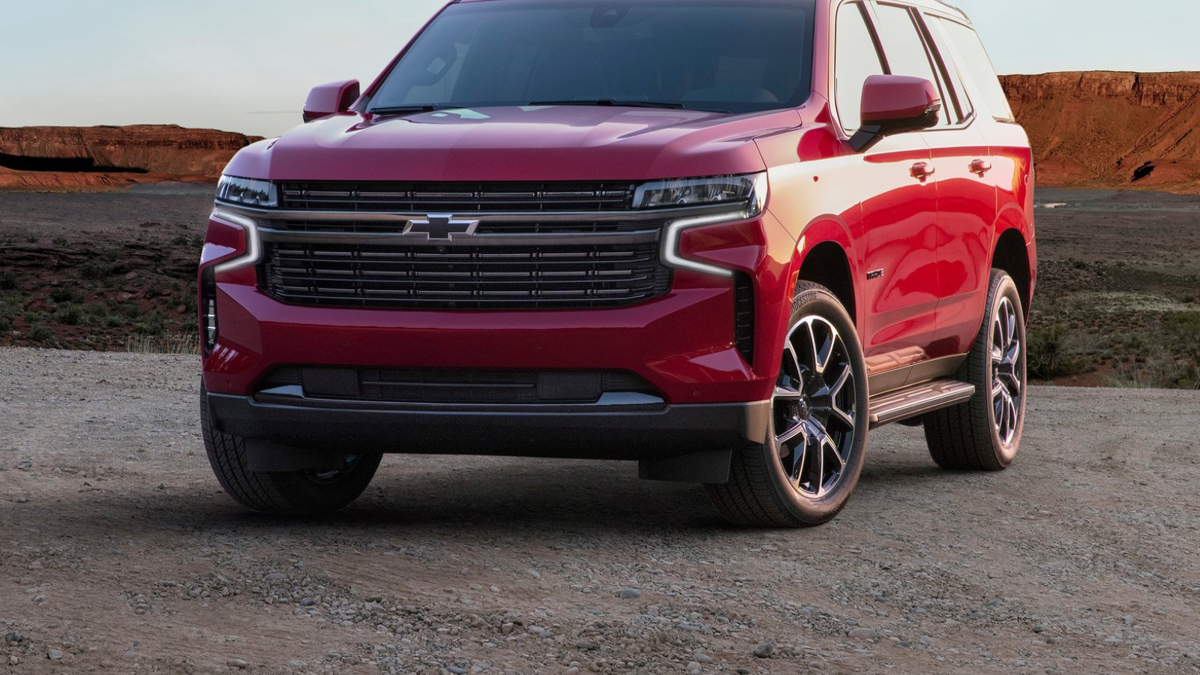
Chevrolet
What You Should Do
While GM avoids the highest overall recall count, many of its official safety campaigns are incredibly serious. For instance, a recent recall of a missing transfer case part that could lock the wheels warranted a strict do not drive warning. This glow plug bulletin stands in contrast because it is a voluntary warranty extension rather than a safety recall. Owners do not need to schedule a dealer visit unless their SUV actively exhibits the condition. GM’s customer notification letter states plainly that drivers should not visit a dealer unless they believe the defect is present.
Technicians must officially confirm that the fault points specifically to the number 2 cylinder glow plug before starting repairs. If diagnostics do not justify replacement of the component, no further action is permitted under this field action. Owners can confirm eligibility through a dealer using their vehicle identification number. For those who already paid out of pocket for this fix, reimbursement claims must be submitted by May 31, 2027.
The Lowdown
Proactive special coverage actions are vital for modern automakers. They demonstrate that car companies are willing to address mechanical situations before they turn into massive lawsuits. Ignoring known flaws quickly invites corporate disaster. For example, GM was recently hit with a lawsuit over alleged brake failure in certain 2025 models. Voluntarily extending component warranties shields the manufacturer from class-action trouble while protecting consumers on the road.
Furthermore, a 15-year or 150,000-mile warranty extension builds significant goodwill within the diesel community. Duramax buyers choose full-size SUVs for long-term longevity and heavy-duty capability. Standing behind the product for a decade and a half shows commendable accountability without the panic of a safety recall. Despite early parts shortages, this targeted campaign is a responsible move that keeps family vehicles running smoothly.


There are no reviews to display.