


The global autonomous vehicle landscape just witnessed a significant shift. XPeng, looking to take on Tesla, has officially rolled the first mass-produced robotaxi off its assembly line in China, marking a major milestone as the first Chinese automaker to achieve this through entirely in-house development - both hardware and back-end software - without using any LiDAR.
The Vehicle Itself
Rather than engineering a purpose-built, undriveable pod—a strategy currently favored by the Tesla Cybercab and Geely’s upcoming EVA Cab—XPeng is leveraging existing manufacturing operations. The new robotaxi is built on the brand’s proven GX platform, the very same architecture that underpins its flagship consumer SUV.
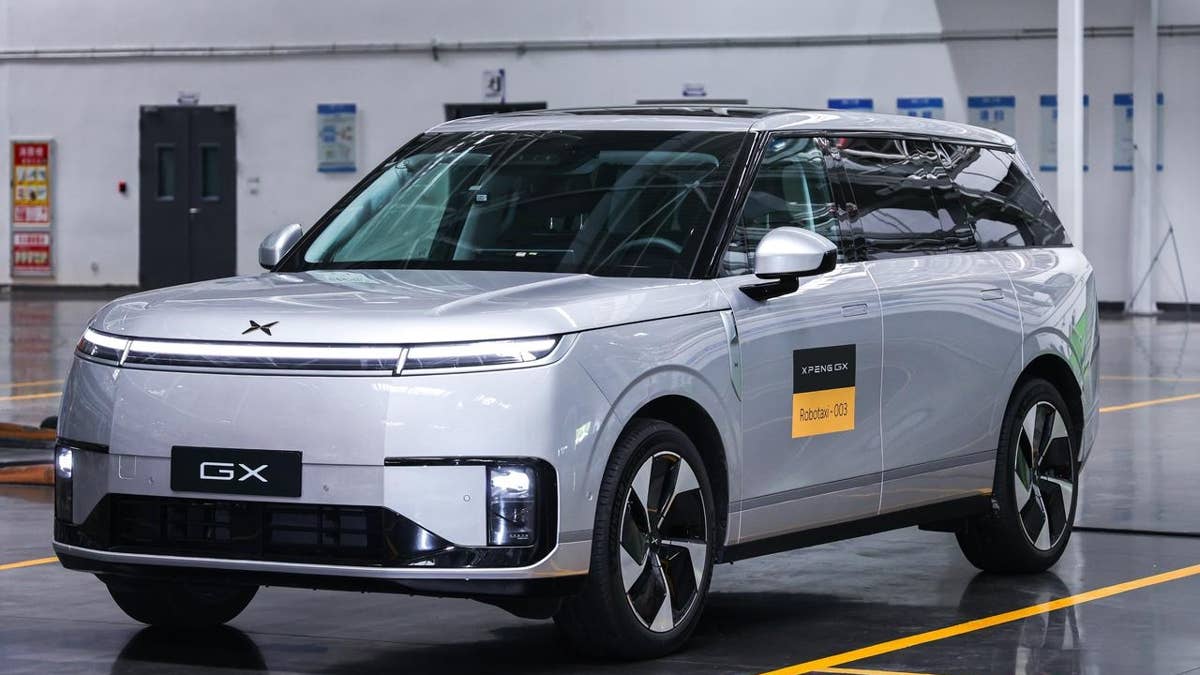
Xpeng
While the platform is shared to reduce costs and accelerate development, the cabin is strictly geared toward ride-hailing. XPeng has stripped out the traditional driver-focused layout, replacing it with a localized, passenger-first environment equipped with gravity seats, privacy glass, and independent rear displays across varying seating configurations.
Proprietary Tech
From a technological standpoint, XPeng’s approach is notably defiant. Engineered to L4 autonomous standards, the vehicle completely eschews LiDAR and high-definition mapping. Instead, it relies on a "pure vision solution" driven by the automaker's VLA 2.0 end-to-end AI model.
This system is backed by immense processing power: four proprietary Turing AI chips. By eliminating traditional vision-language-action translation steps, XPeng claims this architecture compresses response latency to a blistering sub-80 milliseconds.
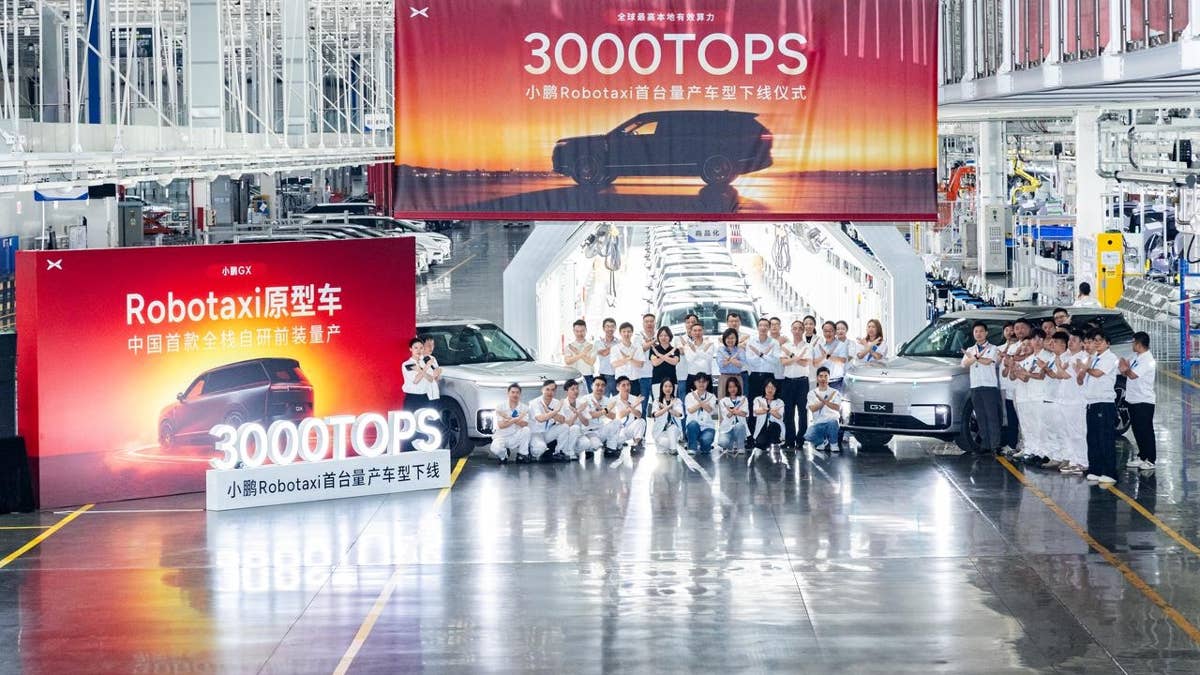
Xpeng
This level of vertical integration—designing the silicon, the AI, the vehicle platform, and managing the manufacturing—provides XPeng with a distinct potential cost advantage over competitors relying on third-party hardware or software.
Rollout
The commercial rollout remains on a tight, ambitious schedule. XPeng plans to initiate pilot operations in the second half of 2026 to validate real-world edge cases, user adoption, and unit economics - while also navigating the existing autonomous driving roadblocks. If these trials prove successful, the automaker aims to achieve fully unsupervised, autonomous operations without on-site safety officers by early 2027. It's an aggressive timeline that will test whether a shared-platform, pure-vision strategy can outpace the heavily sensorized fleets already navigating urban streets in the West.


There are no reviews to display.