




Drawing the Line
China is set to impose the world's first hard cap on electric-vehicle energy consumption beginning next year. According to CarNewsChina, newly produced EVs weighing around two tonnes (about 4,400 pounds) will be limited to 15.1 kWh per 100 km, which translates to roughly 139 MPGe under Environmental Protection Agency (EPA) metrics. That efficiency target places the rule in roughly the same territory as the Tesla Model Y.
Officially titled Energy Consumption Limits for Electric Vehicles Part 1: Passenger Cars, the regulation requires all newly made EVs to meet the new efficiency threshold. Models that fall short will force automakers to carry out technical revisions to bring them into compliance, potentially affecting the use or development of larger battery packs. The report also notes that EVs failing to meet the mandatory energy-consumption limits will lose eligibility for tax exemptions.
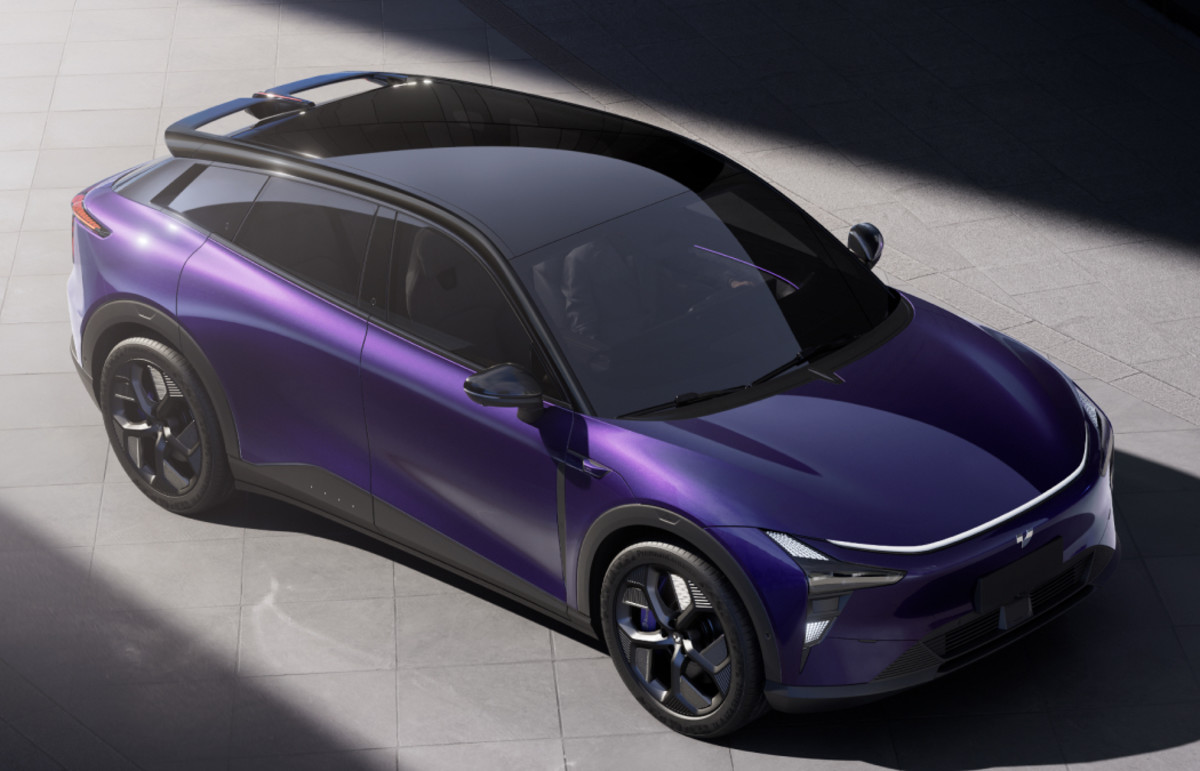
When Bigger Stops Being Better
The new cap is particularly stringent when viewed through a U.S. lens, where EVs are often developed to be larger, heavier, and more powerful in response to consumer preferences. A clear outlier under China’s framework would be the GMCHummer EV, which is widely regarded as one of the least efficient EVs on sale today. The Hummer EV carries an EPA efficiency rating of roughly 53 MPGe while tipping the scales well over 8,600 pounds.
Chinese regulators argue that the tighter standard will produce tangible benefits. The updated rule tightens energy-consumption requirements by approximately 11 percent, which authorities say could result in an average 7-percent increase in driving range for EVs using the same battery capacity. In addition, the regulation is intended to accelerate the adoption of energy-saving technologies, pushing manufacturers toward more efficient motors and EV architectures.
BYD
Setting the Stage for a New EV Reality
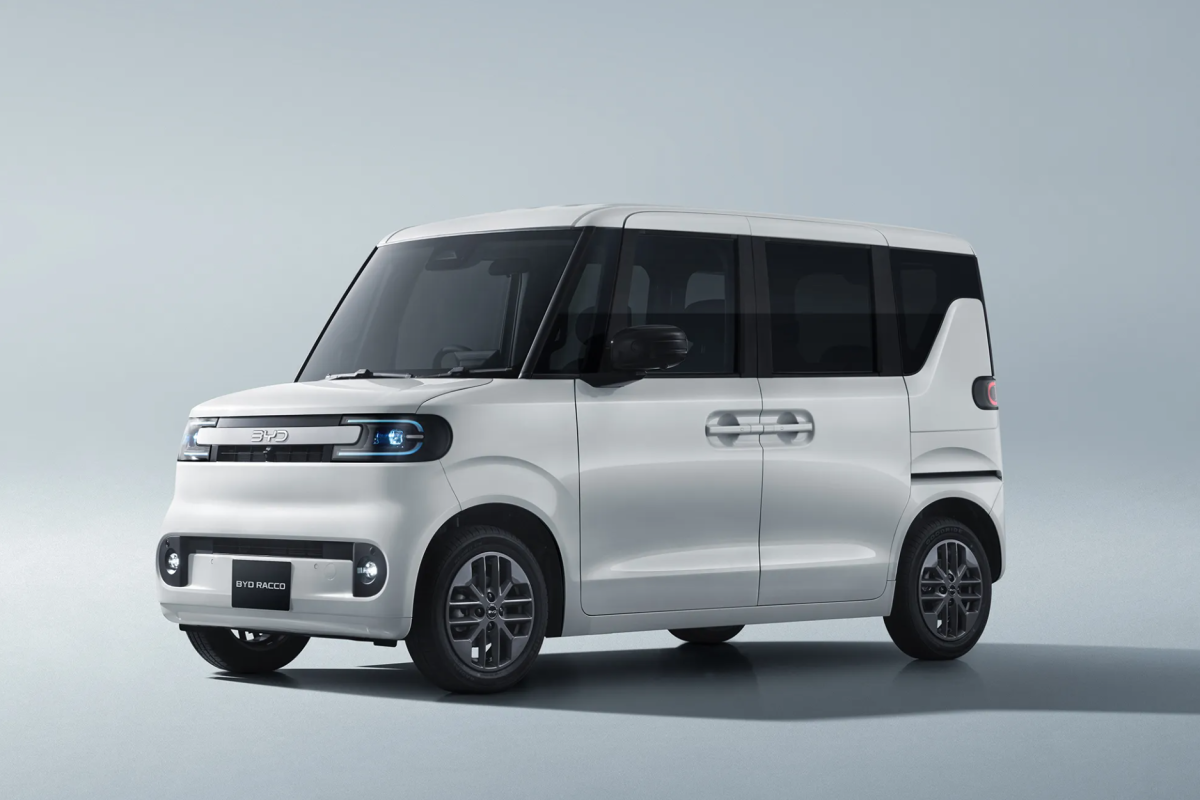
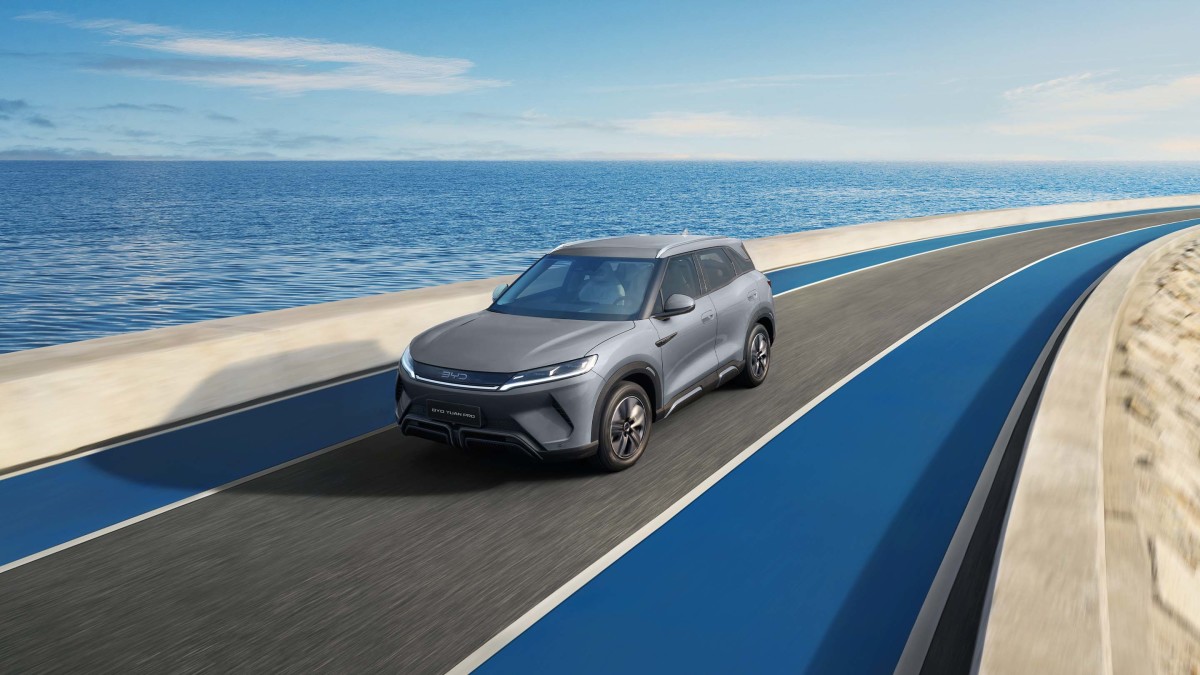
The new cap applies only to battery-electric vehicles, so hybrids and plug-in hybrids – like the Toyota RAV4 Prime – are exempt. CarNewsChina also reports that many EVs from Geely and BYD, two of the top-selling EV brands in China, already comply with the new limits and are expected to require minimal or no changes.
While the regulation applies specifically to China, its influence could extend well beyond the domestic market. As the world’s largest EV market, China sets one of the most influential benchmarks for global EV development, meaning automakers hoping to compete there may need to rethink vehicle size, weight, and efficiency. Over time, that pressure could reshape global EV strategies – effectively discouraging oversized, inefficient EVs from entering the market. The new regulation is scheduled to take effect on January 1, 2026.
BYD


There are no reviews to display.