




K-Car, not Kei Car
In '80s Japan, the economy was booming. Buying power was sky-high, and the homegrown carmakers knew it. It's one of the reasons why we ended up with such iconic JDM cars. Chrysler wanted to capitalize on that, and they likely believed that they could finally break through the Japanese market with the K-Car – not to be confused with President Trump's newest favorite, the Japanese Kei cars.
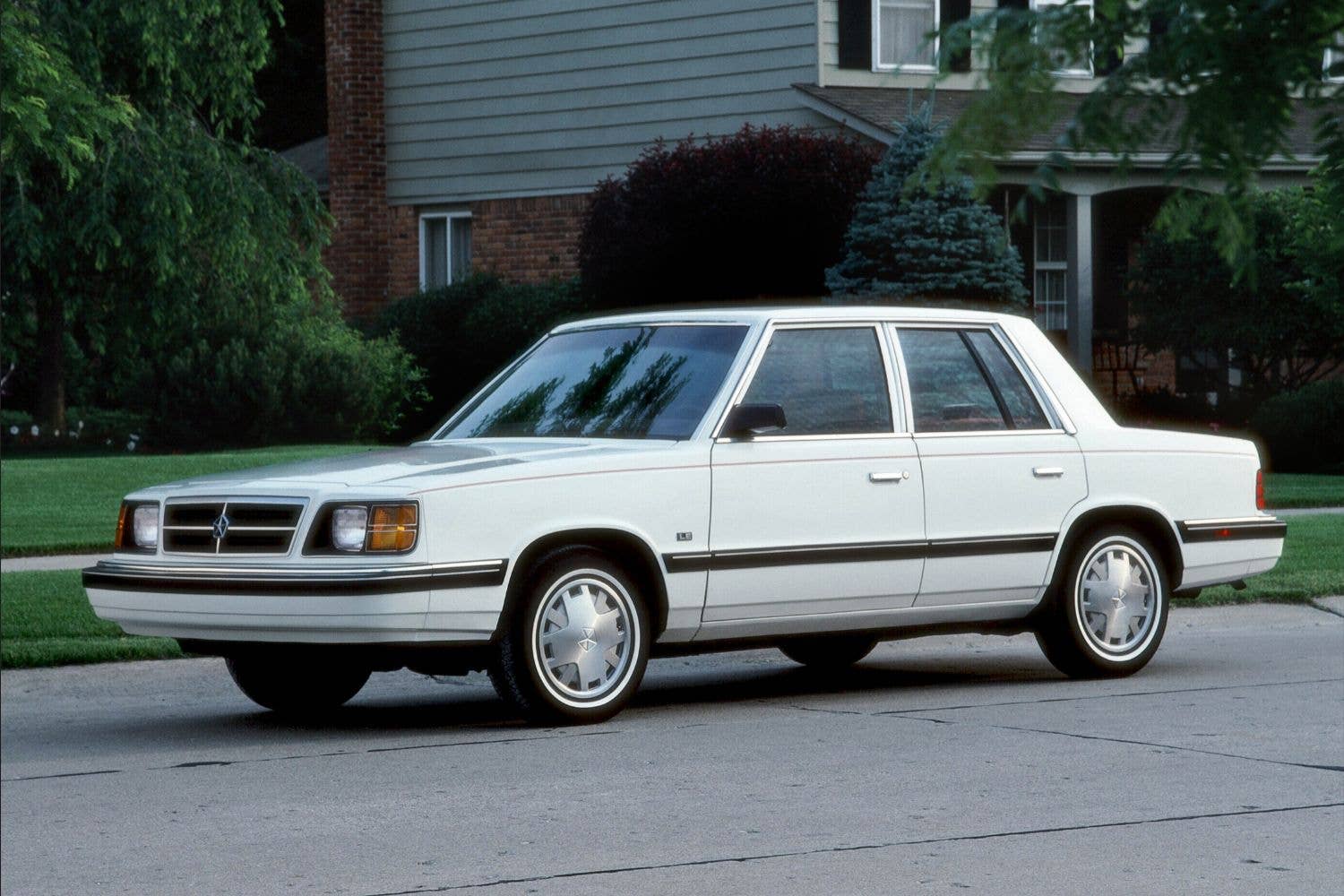
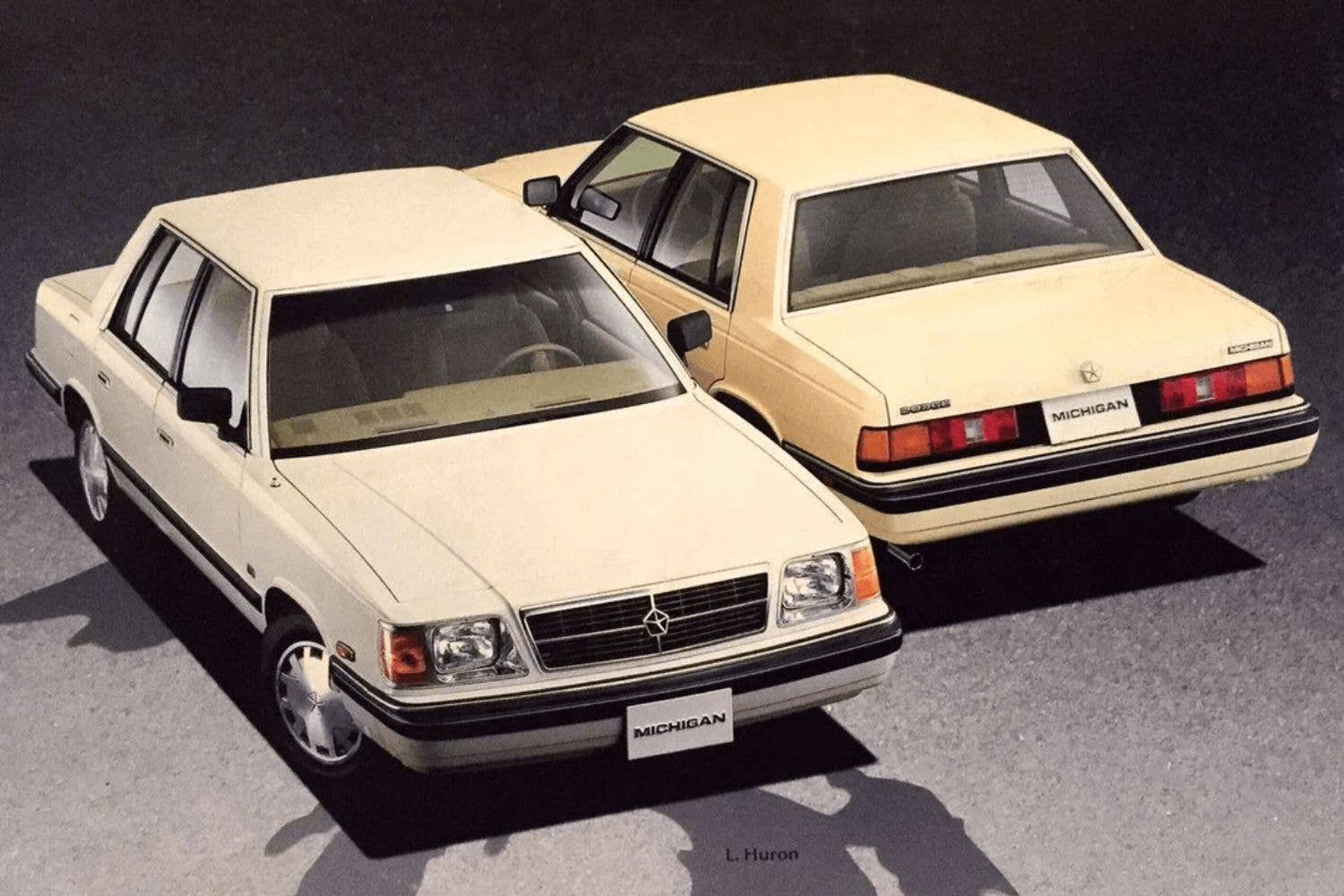
Its entry was the Dodge Michigan, essentially a rebadged Reliant. More specifically, it was the facelifted 1985 version with a (slightly) rounded-off front end. Minimal changes were made for its trip to Japan in 1986.
Dodge
What's Changed?
Believe us when we tell you that typing Dodge Michigan in the search bar wreaked havoc with our results. Searching for more photos was a near-impossible task, but we're thankful for the loads of brochure scans floating around. Anyway, what's different?
Aside from the name, the taillights had amber turn signals. As far as we can tell, those were the only significant changes made for this export model. The JDM K-Car came with a floor shifter, although the left-hand-drive configuration was retained. That said, having a left-hand drive vehicle in Japan is a bit of a status symbol.
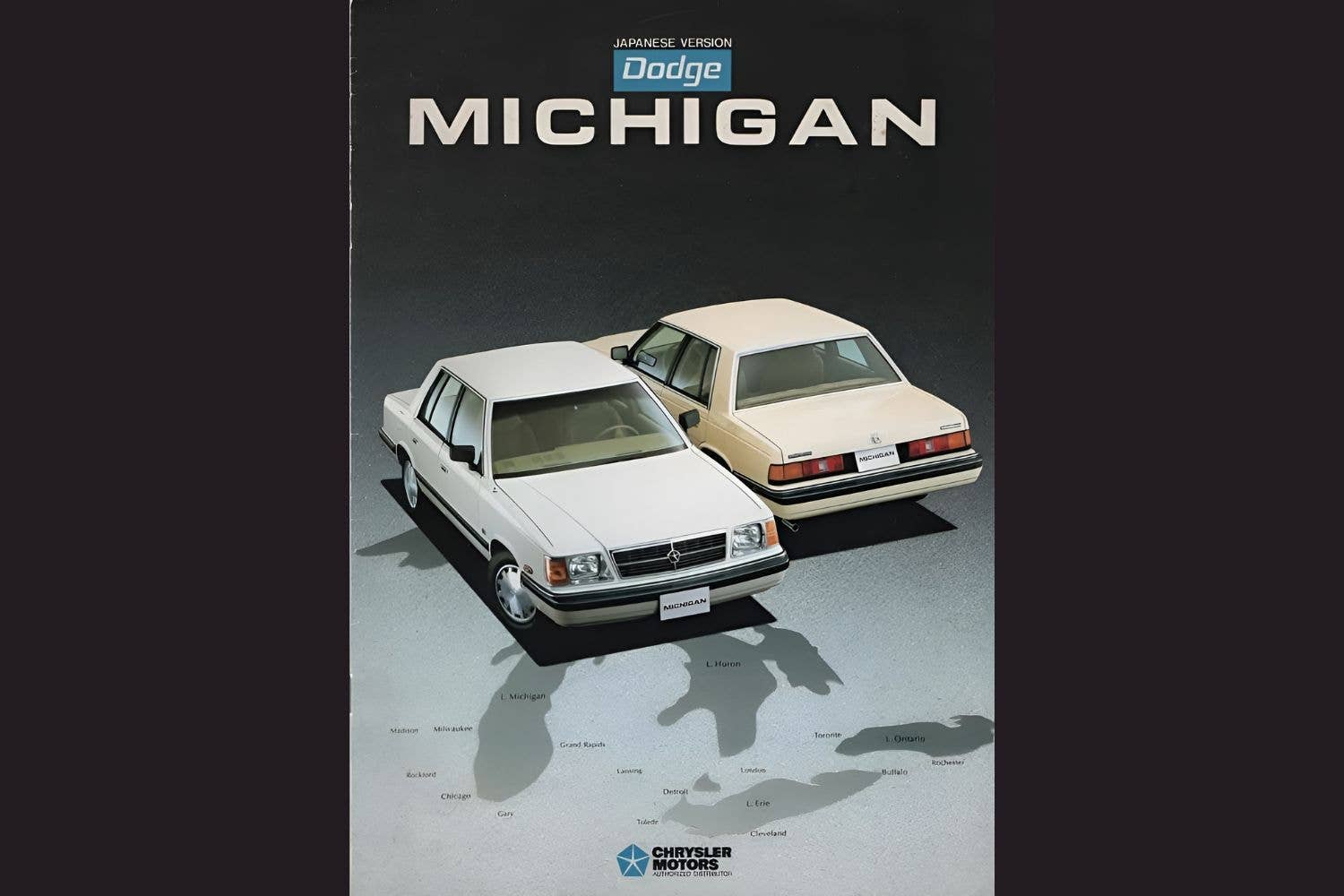
Reddit - u/Material_Two_2529
Brochure Highlights
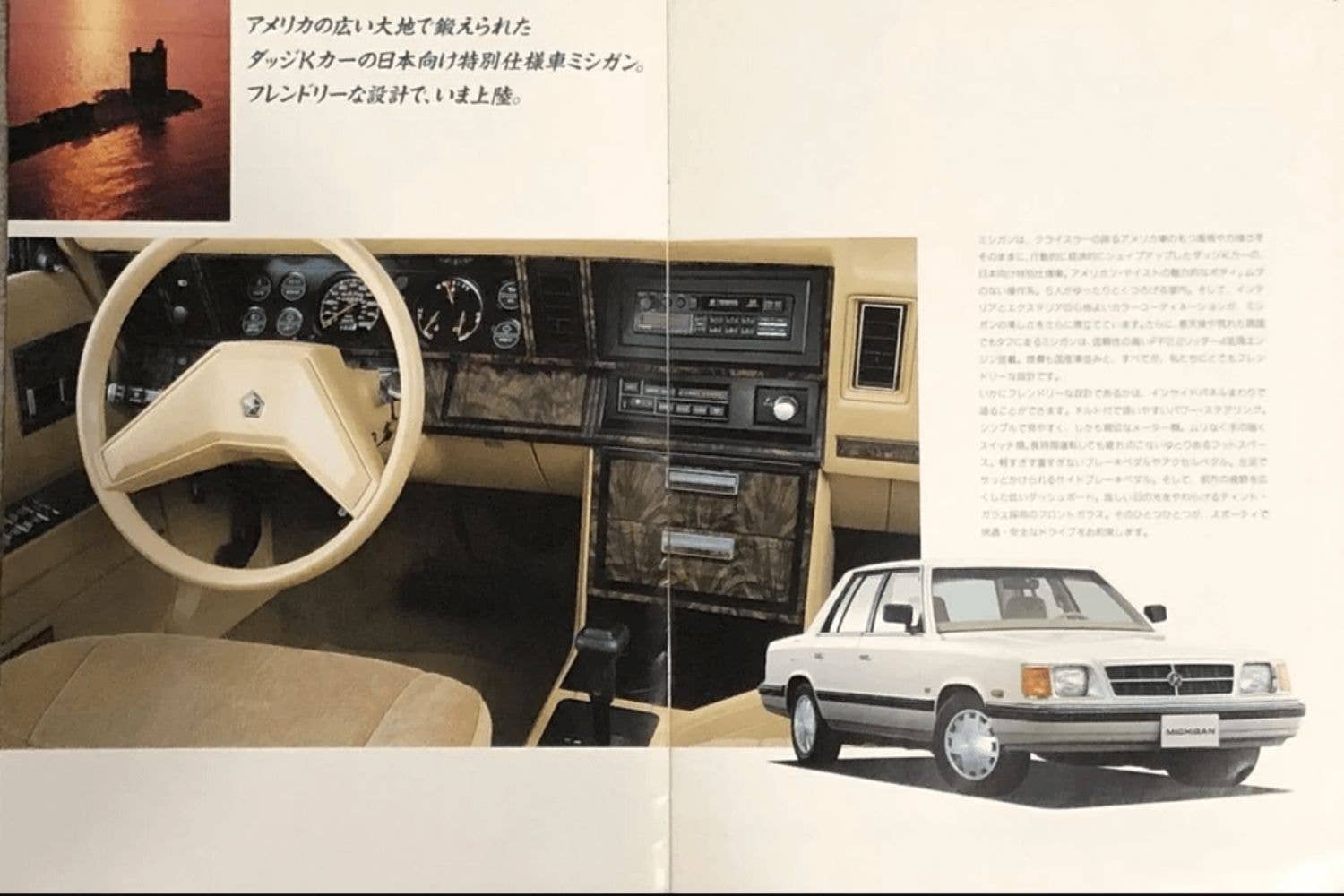
Translated (literally) from Japanese, Dodge called the Michigan a car "Forged on the vast lands of America," and boasted that it had a "friendly design." They were also quite proud of the fact that the Michigan is the Japanese version of the K-car by boldly stating it on the front cover.
Curbside Classic did a breakdown of the features, and one highlight we saw was that its three-speed automatic was patronizingly described as 'easy and safe for female drivers,' and that its 2.2-liter EFI engine was easy on fuel.
While the latter is true for the U.S, this is a country that already finds 2.0-liter engines pretty big. Power figures are unchanged, meaning 94 hp and 122 lb-ft. Mind you, its rivals in Japan, namely the Honda Accord, Nissan Violet (Stanza in America), and Toyota Camry, made about the same power with smaller displacements.
Reddit - u/Material_Two_2529
Trims and Pricing
Surprisingly, two trims of the Michigan were offered in Japan. It was sold in both two-door and four-door guises, although equipment levels were identical. Also, each purchase of the car included a care kit that threw in a chamois towel, a hand mop, car wax, a feather duster, and even booster cables. It's great that those were thrown in for free, but the Michigan wasn't exactly a cheap car by the time it landed in Japan.
The two-door sold for ¥2,950,000, while the four-door carried a base price of ¥2,980,000. Based on exchange rate trends in 1986, the Michigan hovered between $15,000 $17,000, and that didn't include acquisition tax, weight tax, registration, and compulsory insurance fees.
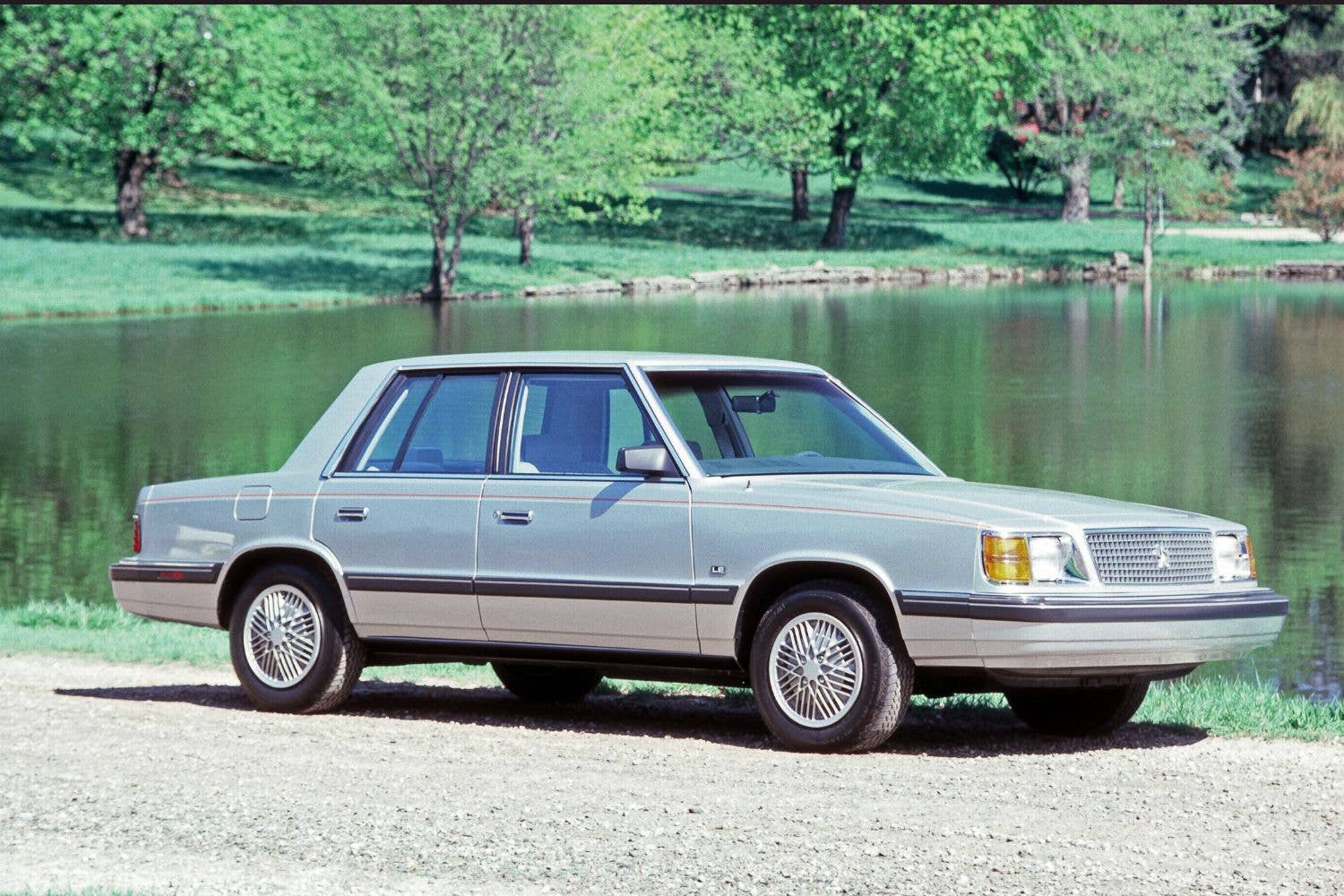
In comparison, the Reliant started at about $7,600 in 1986 money, and was a smidge under $9,000 fully-equipped. Adjust that for inflation, and you're looking at nearly $50,000...for a K-car. And just to drive that point home, a contemporary Honda Accord in Japan started at about ¥1,300,000 to just over ¥2,000,000 for the sporty Si model, complete with a twin-cam engine that made 158 hp.
Plymouth
How Many Left?
With Japan's domestic automakers offering similarly-sized models with far better value, it's no surprise that the Michigan fell flat on its face. And, let's be honest here, cars like the Accord, Camry, and Stanza were better-built, better-equipped, and more suited in their home market.
Importation costs meant that the Michigan was priced more like a junior luxury car over there, and Japan already had loads of them from home-grown brands. Imagine you're a well-compensated Japanese salaryman in 1986. With about ¥3,000,000 to burn on a brand-new car, would you rather get a K-Car or a Toyota Mark II (aka the Cressida in the U.S.)? We rest our case. Perhaps a better car to bring there was the original Dodge Caravan, as the Japanese went ham with minivans in the '80s, too.
There are no exact sales figures for it, but the fact that it only lasted two model years ('86 to '87) would a strong indication that it wasn't a massive hit there. We doubt if there are any survivors, either. As the YouTube channel Corsicar pointed out, its last confirmed sighting was in 2003 when one was sold at an auction.
Reddit - u/Material_Two_2529


There are no reviews to display.