




Facts of the Case
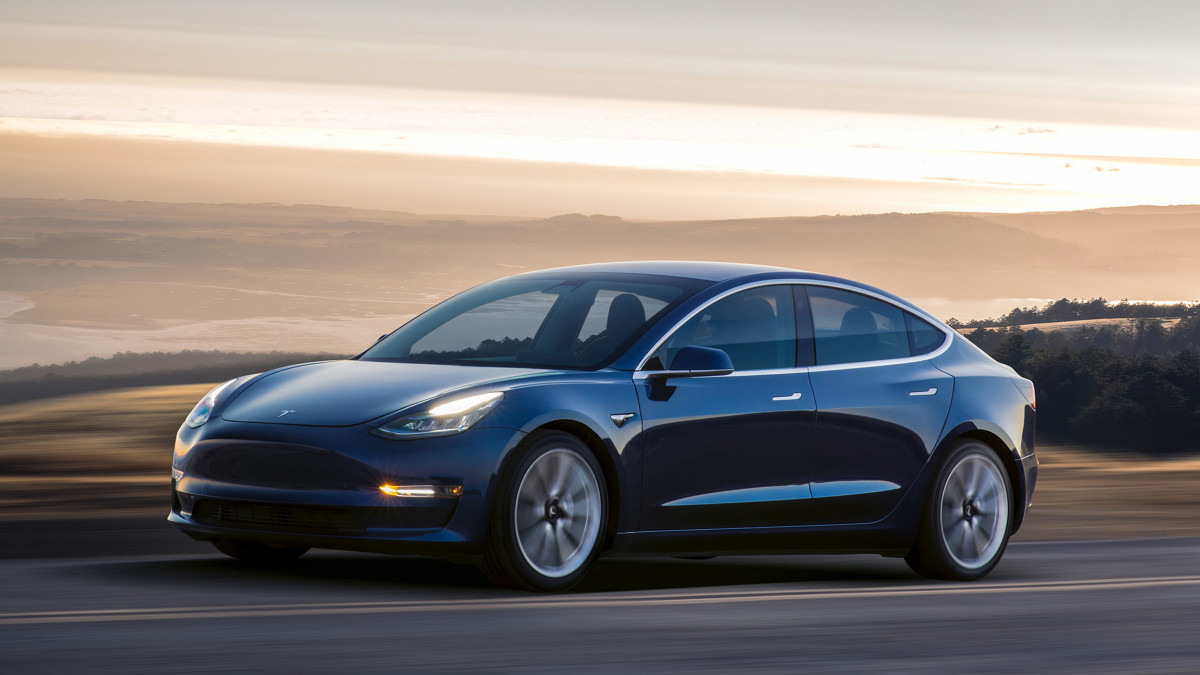
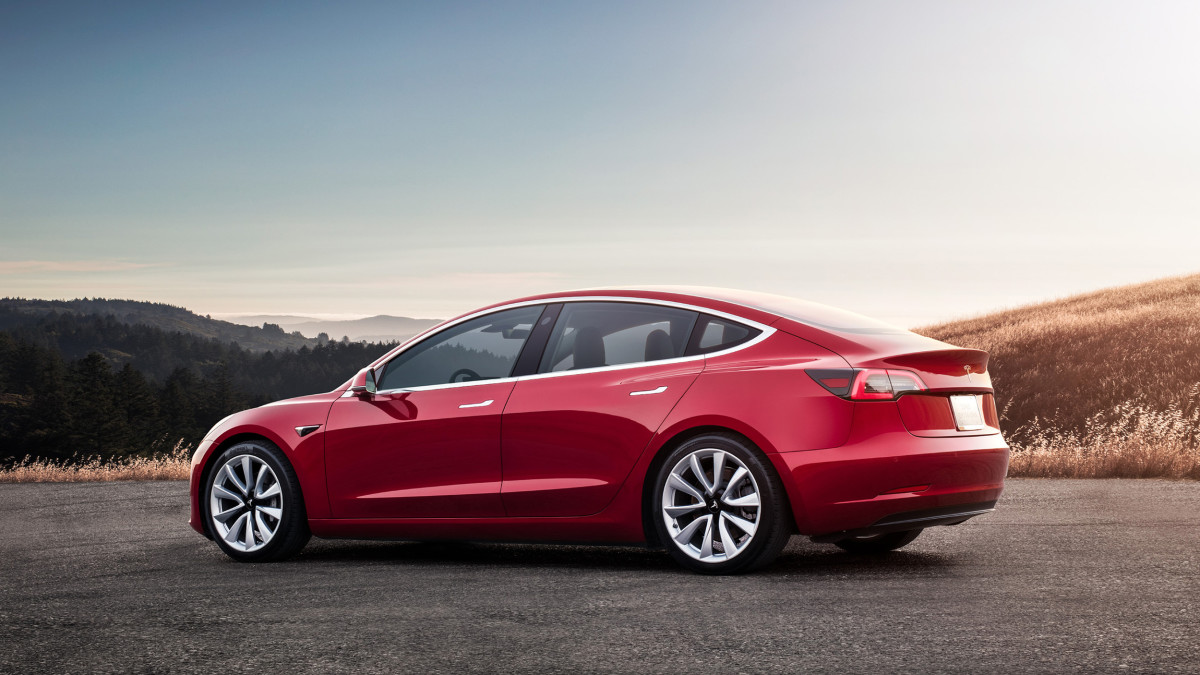
In March 2022, a driver in her 2021 Tesla Model 3 lost control of her vehicle along Interstate 87 in Yonkers, New York. Conditions at the time were snowy and icy, and the vehicle crashed into two medians as a result. The driver sustained injuries from the resulting crash, per the police report.
Given the conditions at the time, traffic investigators concluded that the accident was caused by a combination of high speeds and an 'unsafe lane change.' There was no mention of what type of tires were fitted to the vehicle involved in the accident, based on the report by Car Complaints.
Tesla
The Plaintiff's Claims
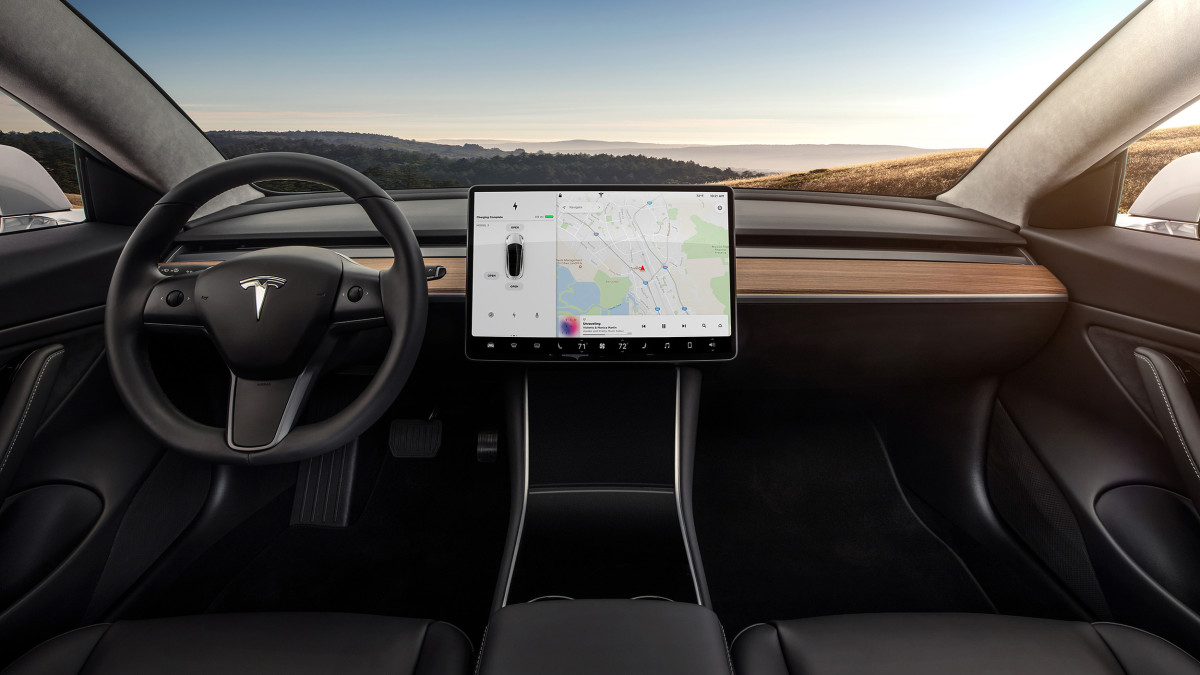
According to the lawsuit, the plaintiff claimed that the touchscreen in her Model 3 froze. That left her without any instrumentation that displayed speed and warnings, effectively locking her out of the windshield wiper controls.
She argued that the police did not check the allegedly defective screen that, in her case, was the true cause of the crash. The plaintiff added that the frozen screen meant the vehicle did not function properly, ergo, it is the vehicle's fault for the accident. In addition, it was claimed that data sensors in the vehicle are not always reliable and accurate. Granted, Tesla isn't exactly free from any lawsuits, but it's worth reading why the case was dismissed.
Tesla
Why It Was Dismissed
Simply put, it was the lack of evidence. The plaintiff did not provide expert testimony as to why the vehicle telemetry is inaccurate or unreliable, nor was there anything presented to suggest that the vehicle's screen froze before the moment of impact. Tesla itself presented diagnostic data from the affected vehicle and showed no signs of defects.
Per the judge, "In sum, Plaintiff Robyn Nicole Wilson-Wolf's products-liability claims turn on alleged defects involving complex automotive software, electronic interfaces, and vehicle-control systems, and therefore require competent expert testimony to establish the defect. Plaintiff designated no expert, offers no evidence on the touchscreen's design, feasibility of a safer alternative, or risk-utility considerations, and provides nothing sufficient to exclude alternative, non-defect-related causes of the accident."
In other words, the plaintiff should have been able to keep control of the vehicle, regardless of whether the screen allegedly froze or not. As it wasn't mentioned that the vehicle lost power during the alleged screen freeze, it is assumed that the rest of the car's functions were still working, meaning the plaintiff still should have had full control over steering, braking, and accelerating.
Tesla


There are no reviews to display.