




The Recall That Refuses to End
It’s been over twelve years since the first recalls in 2013, but the Takata airbag crisis remains unresolved. BMW issued another Takata airbag recall recently for faulty airbags in 2000-2001 X5s, with anywhere between 15-25 million vehicles across manufacturers, all with potentially lethal airbags still on the road. With Takata being the dominant airbag supplier in the early 2000s, over 100 million vehicles were affected. What makes these deaths particularly tragic is their preventability. Many victims died in minor collisions that should have been survivable, killed not by the impact but by the very safety device designed to protect them.
What Makes Takata Airbags Deadly
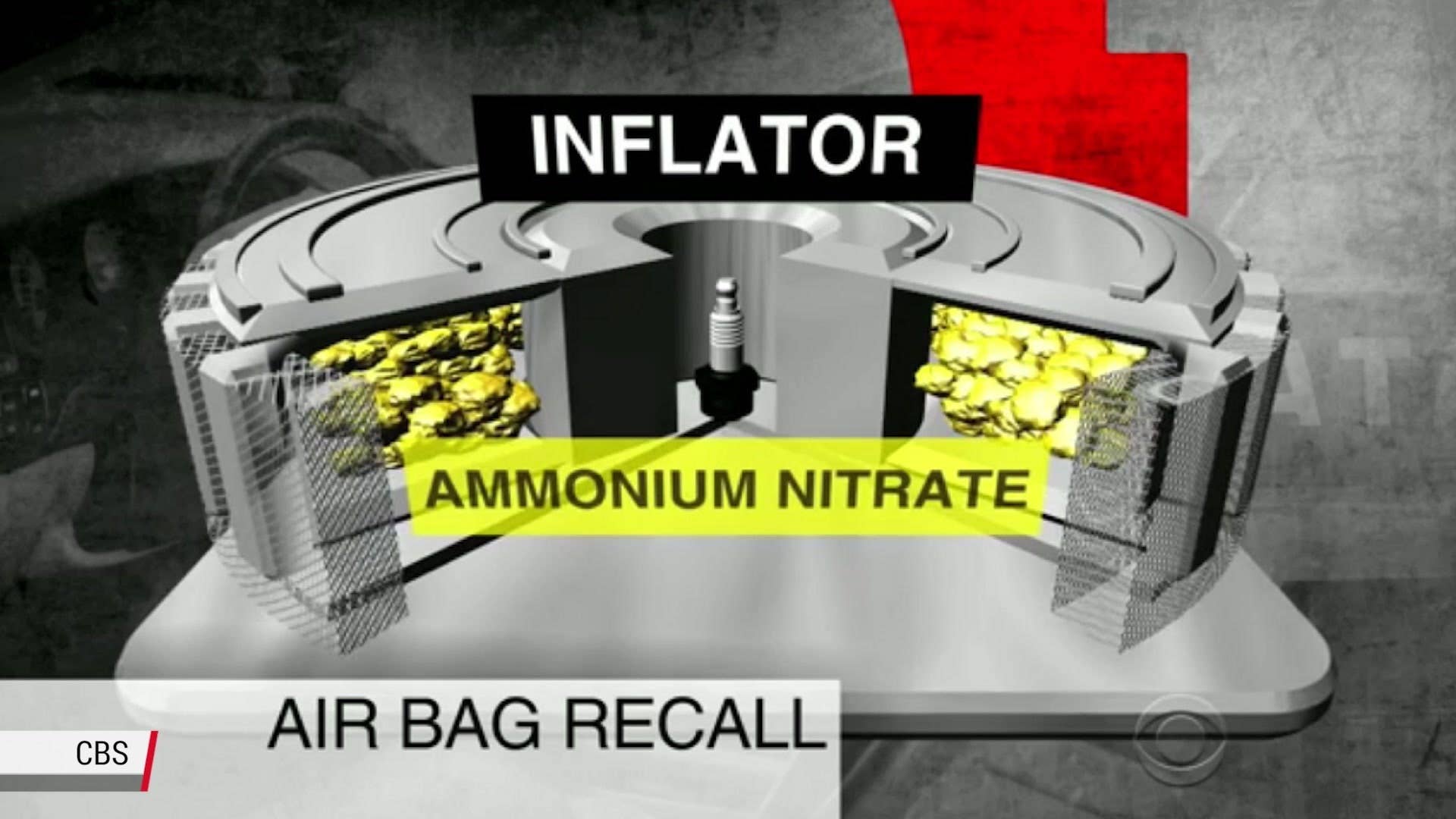
Takata used ammonium nitrate as a propellant in their airbag inflators, and this chemical degrades over time, especially in heat and humidity. When the airbag deploys during a crash, this propellant can explode with excessive force, rupturing its canister and sending sharp fragments flying. Drivers and passengers have suffered lacerations, blindness, and fatal injuries from shrapnel.
The scale of the Takata recall dwarfs anything the automotive industry has ever faced. Coordinating repairs for tens of millions of vehicles proved nearly impossible. Manufacturing replacement parts became a critical bottleneck after Takata itself filed for bankruptcy in 2017, right in the middle of the crisis. Automakers scrambled to find alternative suppliers while owners waited months or even years for replacement inflators.
AOL On
Why This Recall Took Over a Decade
Finding affected vehicles added another layer of complexity. Cars change hands constantly, and recall notices sent to old addresses never reach new owners. Privacy laws limit how manufacturers can track down vehicle owners, and millions of cars have been exported to other countries where the recalls cannot be enforced. Even when owners received notices, many ignored them, not understanding the urgency.
Perhaps most damaging to public trust was what became known as the double recall scandal. In March 2019, Honda issued a recall for 1.1 million vehicles that had already received replacement driver airbag inflators as part of a previous recall, because those replacement parts were also defective.
Getty Images
Still Dangerous, Still Unfinished
The danger has not passed. Vehicles from 2001 to 2005 face the highest risk because their inflators have had the longest time to degrade. Some vehicles carry "Do Not Drive" warnings, indicating the rupture probability exceeds 50 percent in a crash.
What should every driver do right now? Check your vehicle identification number immediately using the NHTSA recall website or your manufacturer's recall checker. If you have an open Takata recall, contact your dealer today to schedule a free repair. For anyone buying a used car from the 2000s or 2010s, demand proof that any Takata recall has been completed before you purchase. Check your VIN today because this recall crisis is far from over.


There are no reviews to display.