

From Parts Supplier to Performance Identity
It may not be widely known, but Dodge didn’t start out as a muscle car icon. Back in the early 1900s, it operated as the Dodge Brothers Company, building engines and chassis for early players like Ford and Oldsmobile. The brothers earned a reputation for precision manufacturing long before they ever put their own badge on a car.
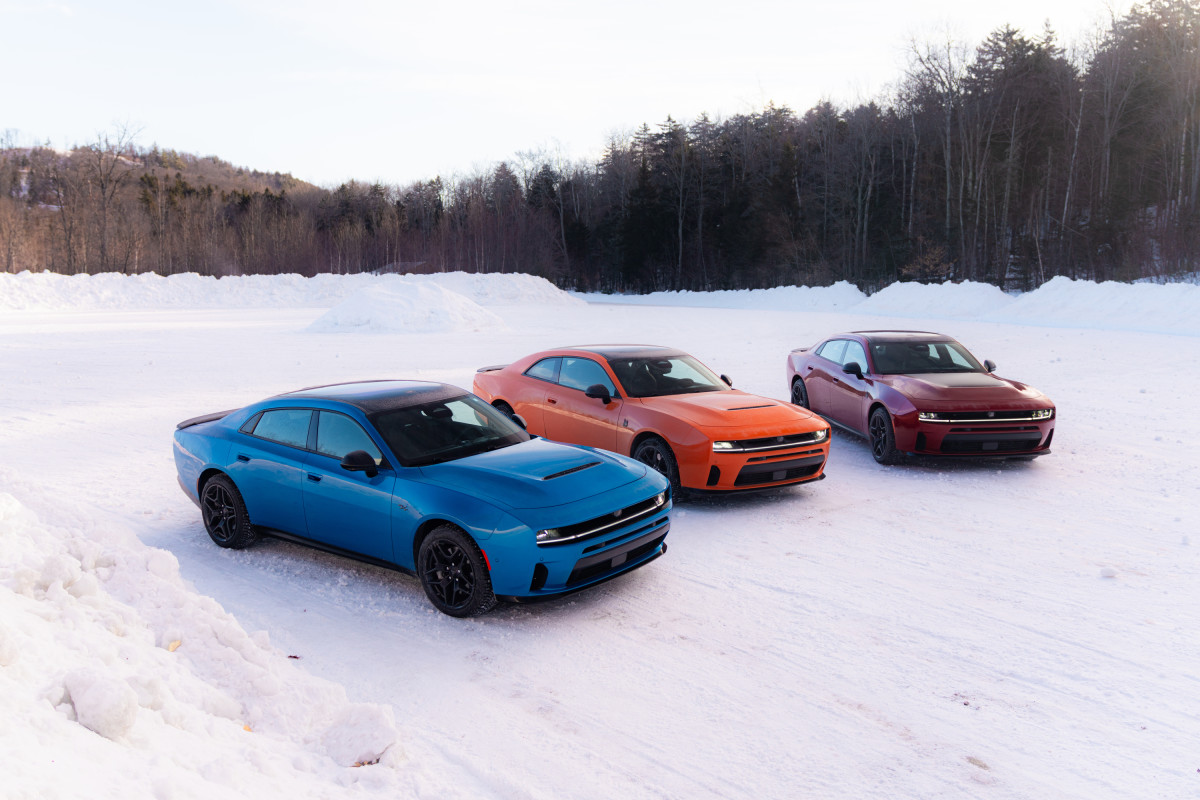
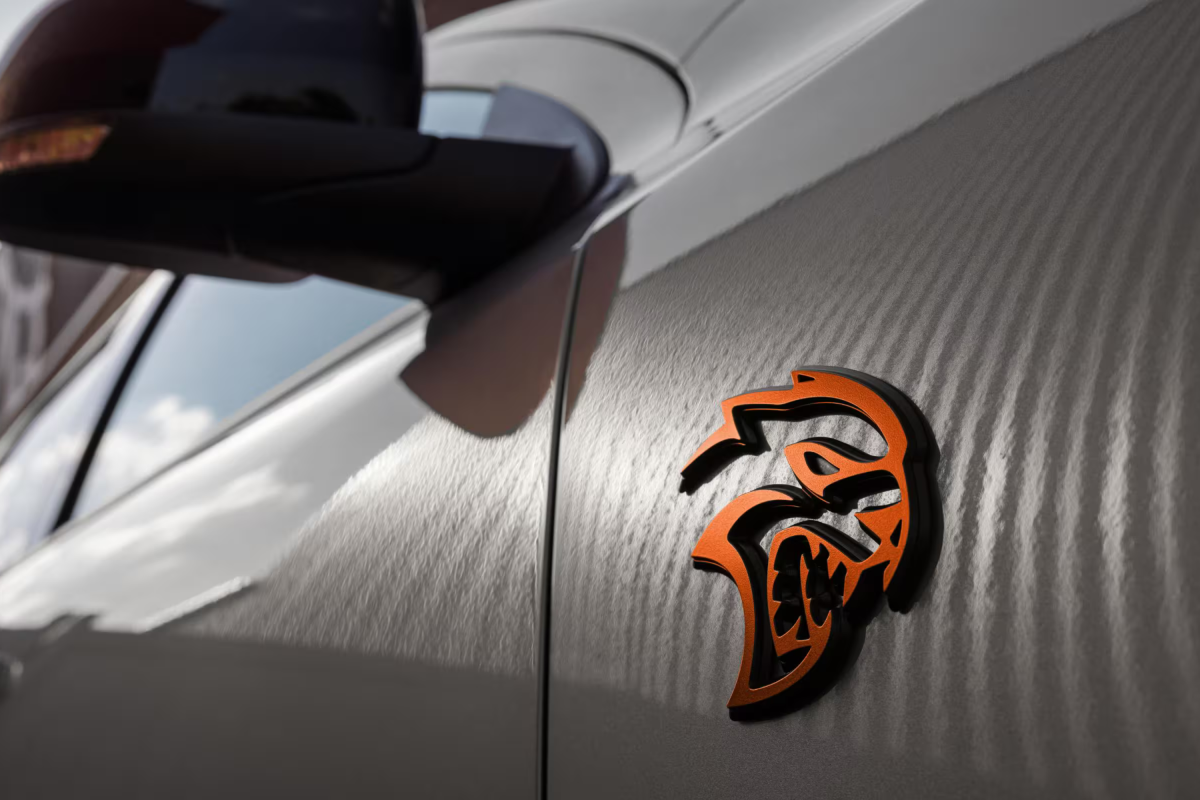
Over the last hundred years, Dodge has reinvented itself more than once. It jumped on the muscle car comeback, went all-in on supercharged power with the Hellcat, and now it’s testing the waters with electrification in the Charger Daytona.
That change brought up a question Dodge fans have heard before: Can the brand keep its identity while the industry moves on? The Brotherhood of Muscle wasn’t quick to embrace a quiet, electric future. But Dodge isn’t dropping gas engines just yet. CEO Matt McAlear says, “Dodge is back.” The real test is what that actually means now.
Stellantis
Owning the Performance-First Mindset
In a recent interview with CBT News, CEO Matt McAlear made Dodge’s direction clear. The brand isn’t interested in blending in.
“What sets us apart is that we lean all in on what makes us different,” McAlear said. “We own it.”
For Dodge, it all comes down to performance. While most brands are adding more SUVs and do-it-all vehicles, Dodge is focusing on what it does best. McAlear says the priority is simple: make the fastest, best-driving cars in their class. Towing, off-roading, and cargo space come second.
Dodge also listens closely to its community. The brotherhood and sisterhood aren’t just slogans – they’re real sources of feedback. McAlear points out that Dodge’s social media engagement exceeds its sales figures, which helps the brand stay in tune with what buyers actually want.
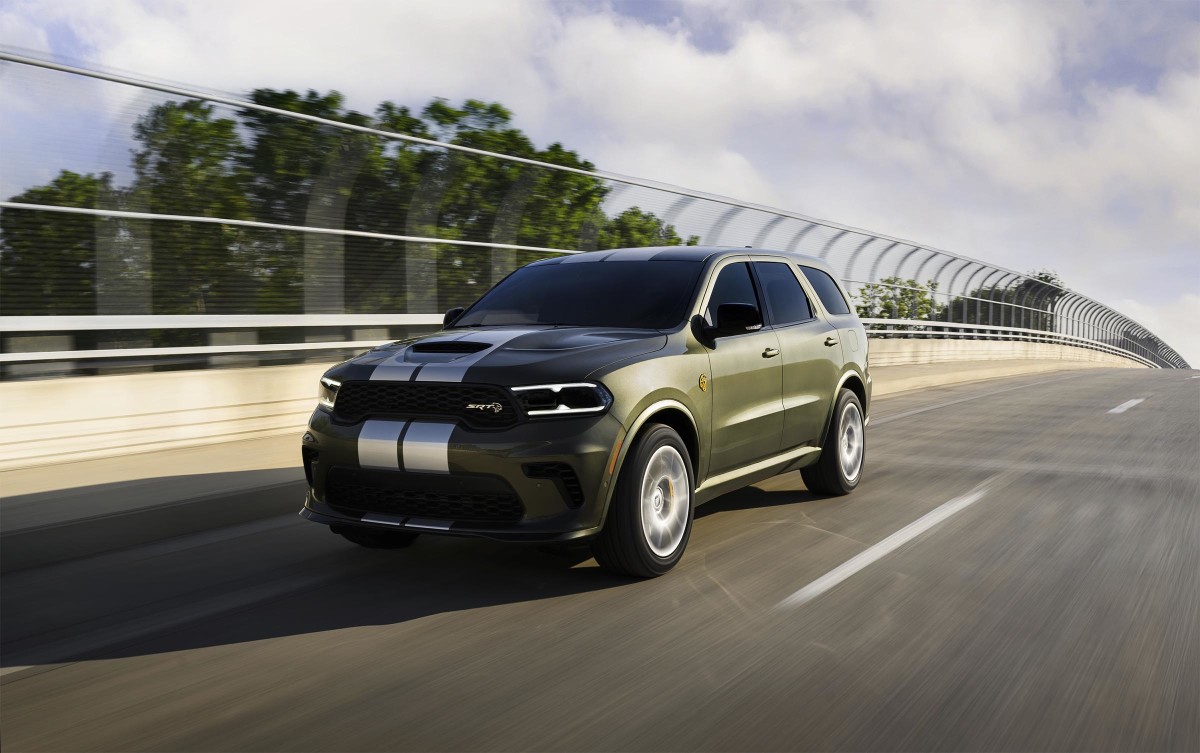
Of course, there are real-world challenges. Tariffs still matter, especially since Dodge builds the Charger in Canada and the Durango in Detroit. That impacts pricing and how Dodge puts together its lineup to stay competitive.
Dodge
What Comes Next
Right now, Dodge is trying to balance what’s worked before with what’s next. The Charger flaunts its all-wheel-drive system, the Durango keeps getting updates, and there are even rumors of the Hellcat V8 making a comeback. Dodge isn’t cutting ties with its past, but it’s not stuck there either.
McAlear wants Dodge to be known as “America’s performance brand.” That sounds simple, but it’s actually a sharper focus than before. Dodge isn’t chasing big sales numbers in every segment. It’s aiming to own the performance space, even if that means staying a bit niche.
That approach could pay off. Dodge has always had more cultural impact than its sales numbers suggest. The real challenge now is making electrified performance feel as exciting as the Hellcat days, while keeping gas models relevant as rules keep changing.
If Dodge gets the mix right, being 'back' won’t mean repeating the past. It’ll mean sharpening what the brand has always stood for, just with more ways to get there.


There are no reviews to display.