


How Tesla Saved Hundreds of Millions
For years, the world's richest man, Elon Musk, has been vocal about rejecting what he once called “shady” tax loopholes. Yet a recent Reuters investigation suggests that Tesla leveraged one of the oldest tricks in the multinational playbook: profit shifting. By routing roughly $18 billion in profits through subsidiaries in the Netherlands and Singapore, the automaker likely avoided at least $400 million in U.S. taxes.
The mechanism is familiar to tax specialists. Tesla appears to have assigned intellectual property rights, think patents and proprietary tech, to offshore entities, allowing profits tied to those assets to be booked in low-tax jurisdictions. The Dutch unit, structured as a non-resident partnership with no employees, acted as a conduit, funneling earnings to a Singapore holding company that also paid no tax on the income. It’s all legal, and hardly unique, but it directly contrasts Musk’s public stance on tax avoidance.
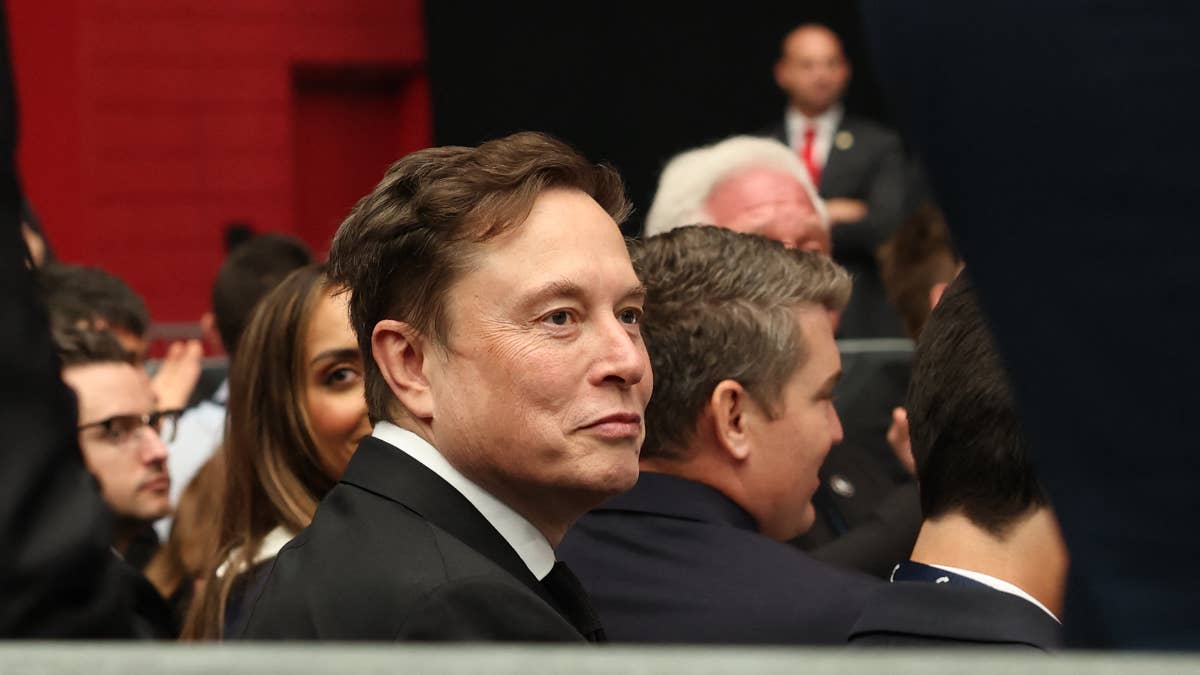
Photo by PATRICK T. FALLON/AFP via Getty Images
Tariffs Push Production Home, No One Said Anything About Profits
While rising tariffs and geopolitical pressure have nudged automakers to localize manufacturing, often at higher cost, Tesla’s strategy shows you don’t necessarily need to bring profits along for the ride. Even as much of its revenue base remained U.S.-centric, filings reveal that a disproportionate share of profits was recognized abroad. That imbalance is what enabled the tax savings in the first place.
The numbers are striking. Tesla has historically reported far larger tax obligations overseas than in the United States, despite the latter accounting for roughly half its sales. Since 2003, foreign tax liabilities have totaled $6.4 billion, dwarfing its lone reported U.S. tax estimate of $48 million in 2023. The implication is clear: where profits are booked matters far more than where cars are sold, and Tesla optimized accordingly.
The Savings Are Real—But So Is the Pressure Building Around Tesla
From a balance-sheet perspective, shaving $400 million off a tax bill is a win. But the broader context is shifting. Tesla’s relationship with policymakers has grown more complicated, and scrutiny around corporate tax practices is only intensifying. Even if the offshore structure has already been scaled back, as hinted by a sharp increase in U.S.-reported profits in 2025, the reputational calculus is harder to unwind.
There’s also a strategic undertone here. As margins tighten and political headwinds mount, Tesla will need to keep finding efficiencies wherever it can. Whether that means operational streamlining, pricing adjustments, or more aggressive financial engineering is an open question. What’s clear is that the era of easy wins, whether from subsidies, tax credits, or regulatory arbitrage, is fading. The next phase will demand a different kind of discipline, one that extends beyond clever accounting.

Tesla


There are no reviews to display.