




Toyota's New-Era V6 Faces Tough Questions
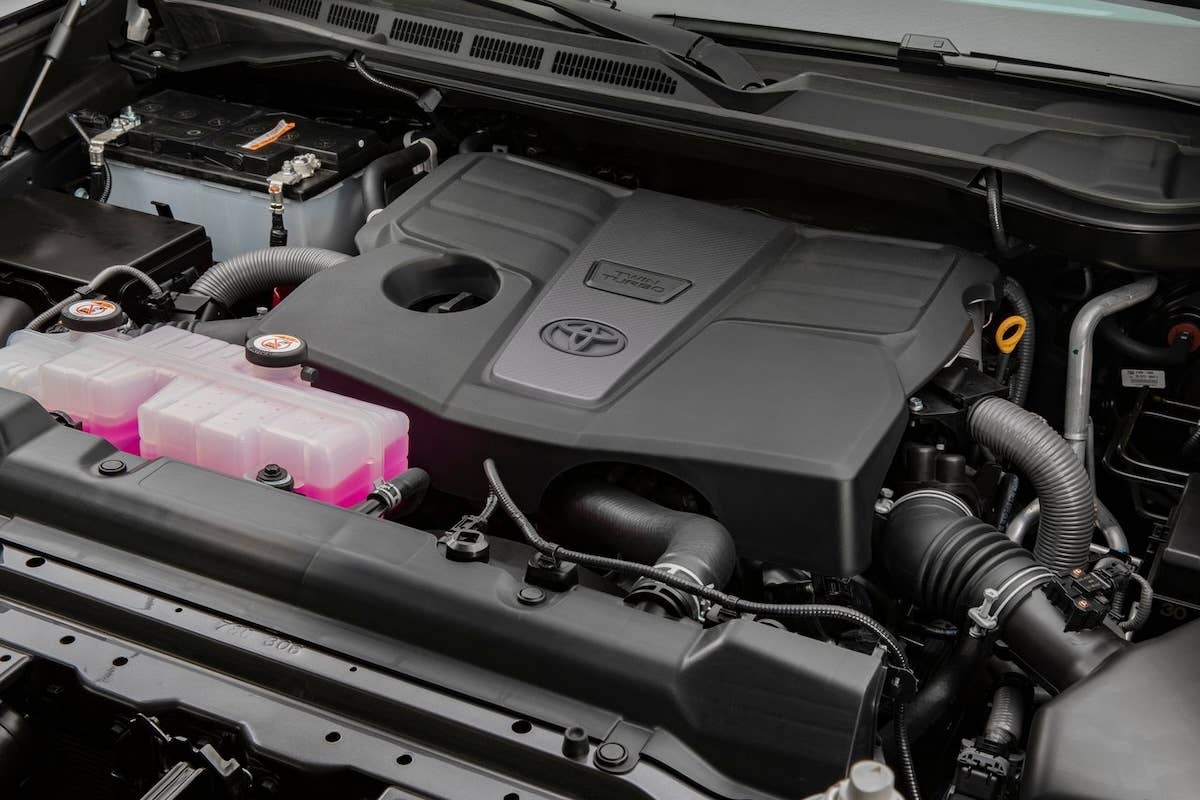
Toyota's 3.4-liter twin-turbo V6, known internally as the V35A-FTS, was designed to replace the long-running 5.7-liter V8 in many of the brand's most important vehicles. It powers the latest Toyota Tundra, Sequoia, Land Cruiser 300, and the Lexus LX 600 and GX 550, giving Toyota's truck and SUV lineup a more modern, torque-rich powertrain. On paper, it makes more power and delivers better efficiency than the old V8, which is why Toyota committed to using it across multiple flagship products.
However, its arrival wasn't smooth-sailing for the Japanese marque. Premature engine wear plagued the power plant, leading to a major recall covering hundreds of thousands of Toyota and Lexus models. Toyota has attributed the failures to machining debris left inside the engine during production, which could obstruct oil passages and starve critical components. It sounds simple enough, but the teardown of a failed Tundra engine offers a more nuanced perspective on what might be going wrong.
What the Teardown Revealed
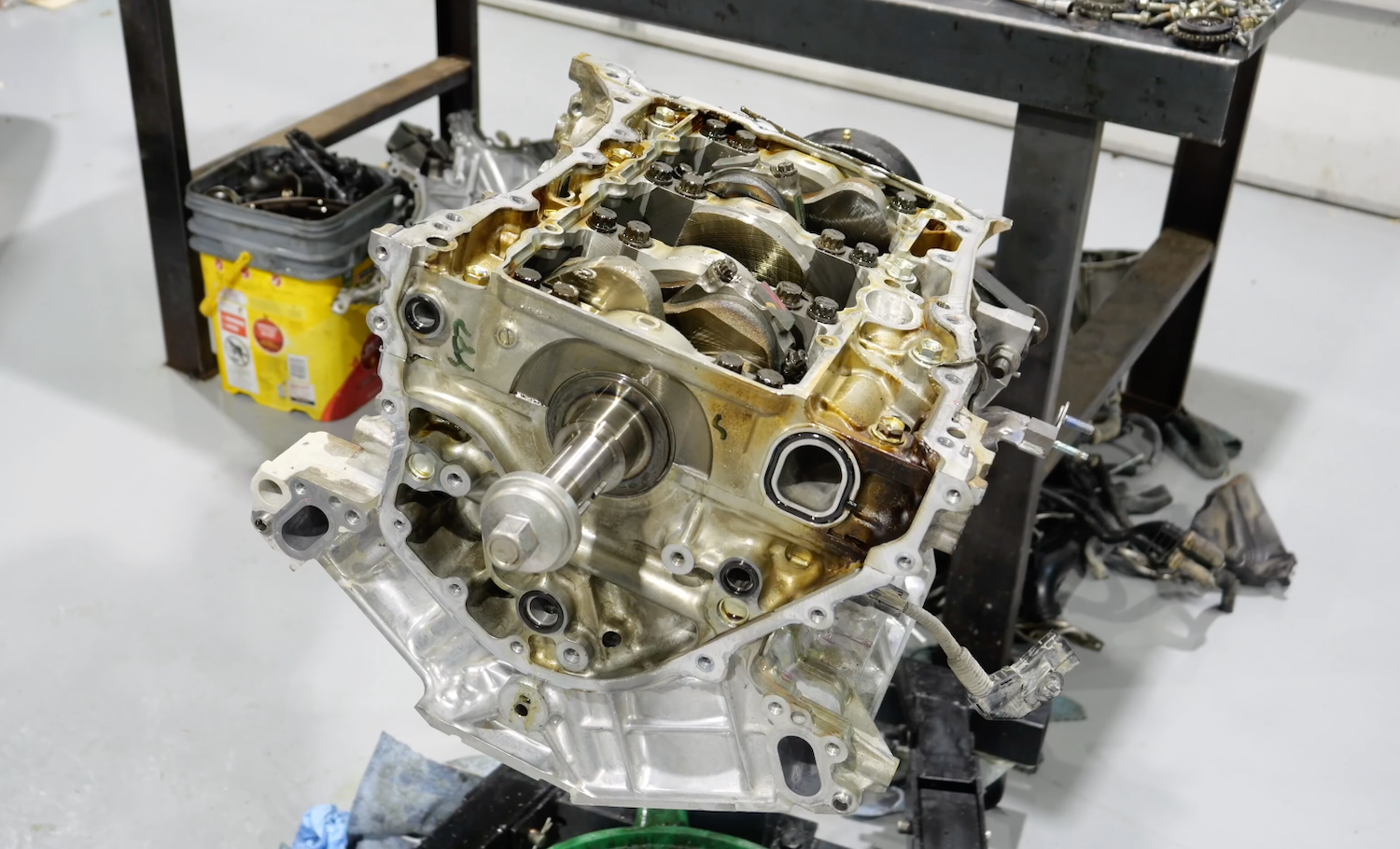
Thanks to the video by our favorite engine coroner, I Do Cars, the problematic V35A-FTS V6 got a closer look after failing a 2023 Tundra at just 38,000 miles. Despite being reported as "locked up," the engine still rotated by hand, though with abnormal resistance. Externally, nothing indicated catastrophic failure. Even the spark plugs looked clean.
Once opened, the top end appeared surprisingly healthy. The camshafts, timing components, and cylinder heads showed minimal wear. No significant debris was present in the valvetrain, and combustion chambers looked uniform. But the deeper the teardown went, the more troubling the findings became.
The lower end told a very different story. The oil pan contained metallic flakes, and an idler gear in the timing system was packed with metal debris. The main bearings were the clearest sign of trouble: two had spun inside their saddles, causing heat damage, scoring, and metal transfer onto the crankshaft. Rod bearings also showed wear inconsistent with the mileage. The failure pattern didn't neatly match Toyota's explanation that leftover machining debris was the cause.
I Do Cars/YouTube
What Owners Should Do
Of note, the video didn't claim a definite cause for the premature engine failure. However, as the presenter pointed out, it raises the possibility of machining tolerances, bearing sizing, or oil-pressure irregularities. The damage was far too concentrated in the main bearings to suggest random debris spread throughout the engine. While the rest of the engine looked clean and serviceable, the lower end showed clear signs of premature breakdown.
For owners of Tundras, Sequoias, or Lexus LX and GX models equipped with the V35A V6, the takeaway is straightforward. If your vehicle falls under Toyota's recall, schedule the dealer visit and complete the inspection or engine replacement process. The teardown makes one thing clear: when this engine fails, it fails hard, and the earlier it's addressed, the better the chances of avoiding major, costly damage.
Toyota


There are no reviews to display.