




EU Reconsiders Its Zero-Emission Deadline
The European Union appears to be backing away from its once-firm resolve to completely halt the sale of new internal-combustion cars by 2025. This development marks a major shift in the EU’s long-term strategy to curb emissions from transport in an attempt to achieve net-zero emissions by 2050. With German and Italian political leaders and automakers rallying against this rigid timeline, it seems that this once locked-in policy is now under review.
German Chancellor Pushes for Policy Rethink
A turning point of this decision arrived after German Chancellor Friedrich Merz pressed European Commission President Ursula von Der Leyen to ease the proposed regulation. His request, delivered by way of a formal letter, argued that the 2035 cutoff didn’t account for the possibility of viable technologies emerging that could lower emissions from combustion engines to acceptable levels, in line with the EU’s long-term goals. While no changes have been officially announced yet, it looks like the Commission is weighing options that could leave room for the sale of plug-in hybrids, range-extended EVs, and highly-efficient combustion engines beyond the 2035 deadline.
Alternative Fuels May Keep Internal Combustion Going
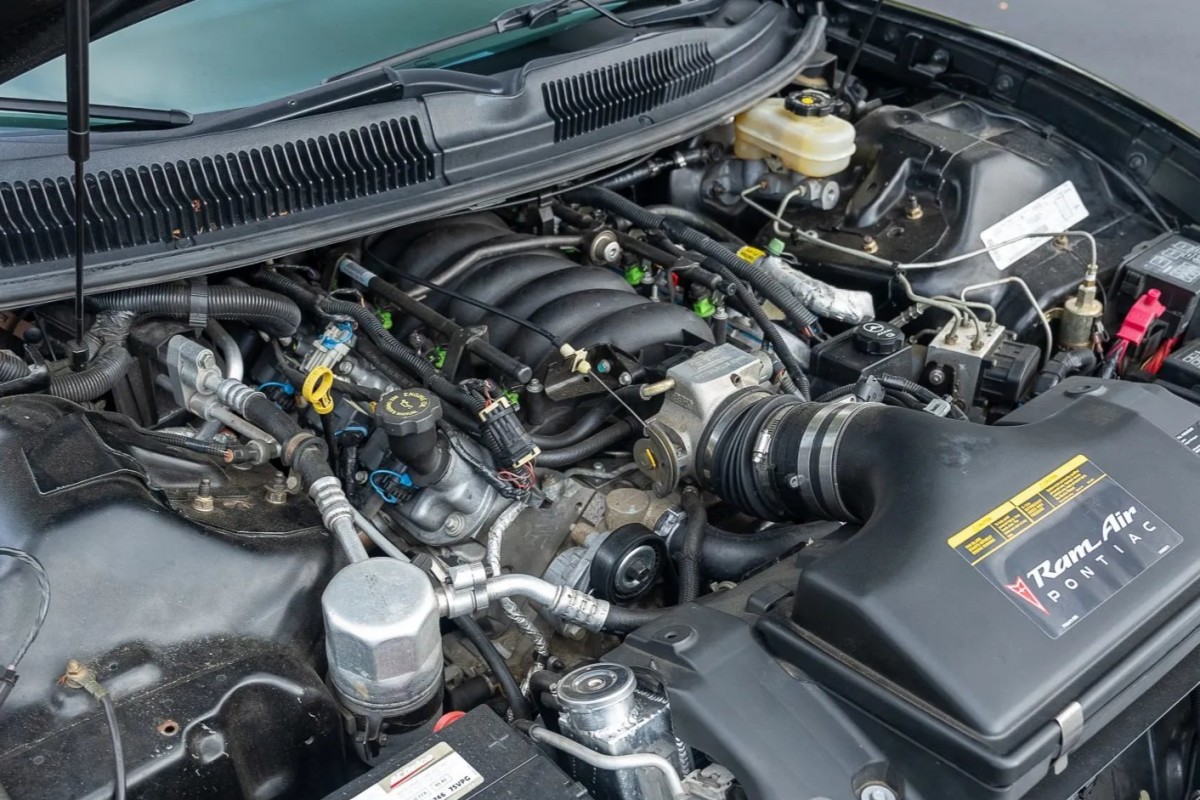
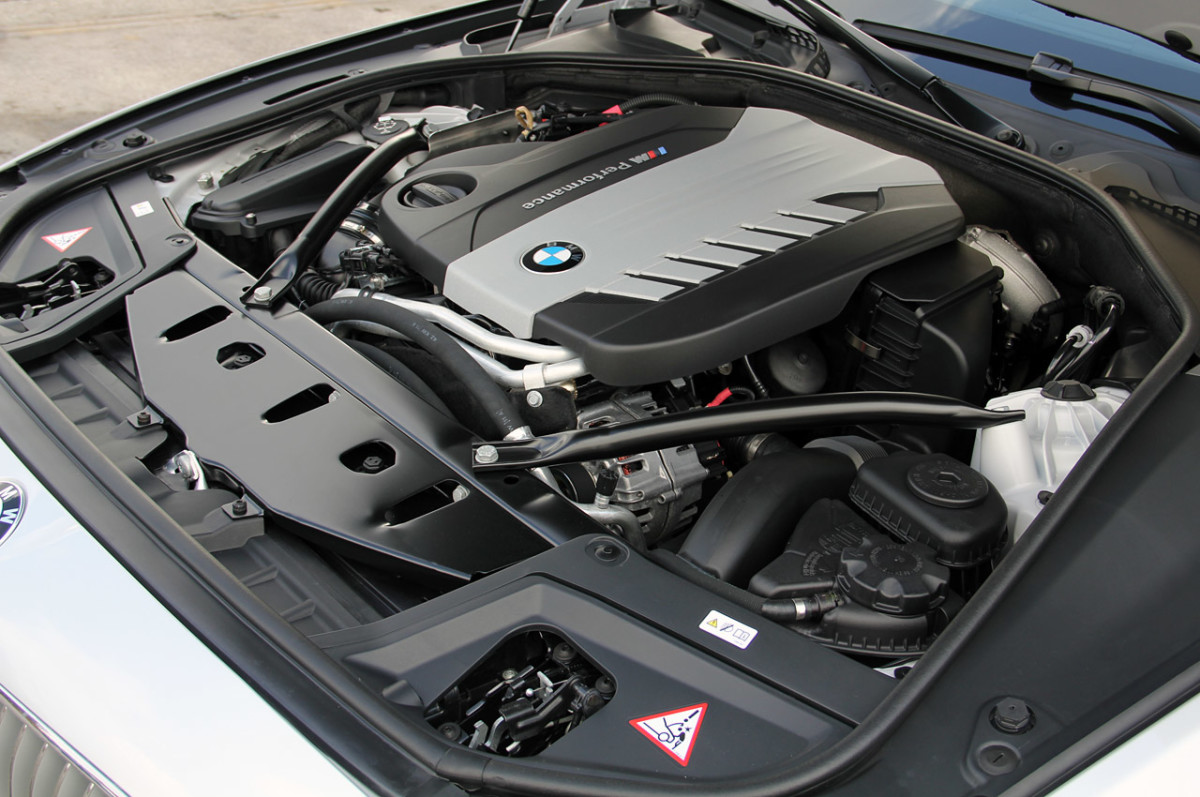
EU transport officials have acknowledged that developments in alternate fuel technology may also play a part in reworking the emissions strategy. Manufacturers have been working on renewable synthetic fuels and advanced biofuels that may be able to keep combustion engines alive without compromising on emission and climate commitments. Examples of these are BMW’s vegetable-oil-based HVO100 that dramatically cuts emissions in diesels, and the synthetic gasoline alternative that Porsche have been working on since 2022.
European Commission Set To Meet
The European Commission will gather on December 10 to reevaluate its position and outline proposals aimed at stabilising the increasingly pressured auto sector. While the final announcement of their decisions may come at a later date, it looks like the 2035 ban will not go ahead as previously planned. It seems likely that the Commission will arrive at a more flexible framework designed to preserve innovation, protect manufacturing jobs, and offer a broader route towards cleaner mobility.


There are no reviews to display.