


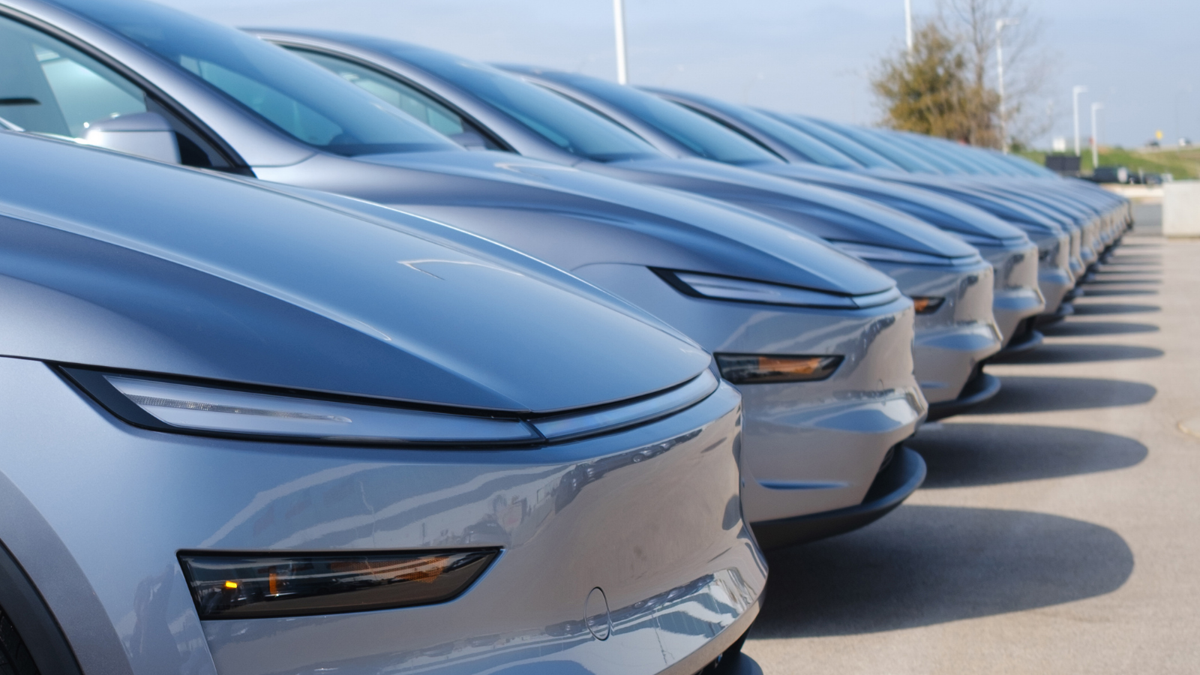
More Americans than ever say they want an electric vehicle. A recent JD Power survey found that 26 percent of car shoppers were "very likely" to consider buying one, a three-point jump from the month before. And yet EV sales in the US have plateaued. People want EVs, especially in the wake of rising gas prices, but they aren't buying them. The gap between intent and action comes down to three things sitting in the buyer's head: cost, charging, and range. At least two of those three are largely built on outdated assumptions, according to the experts at JD Power. The information exists, but it has not reached the showroom floor, where dealers have quietly pulled back on EV education since federal tax credits expired.
The EV Myths That Don’t Add Up
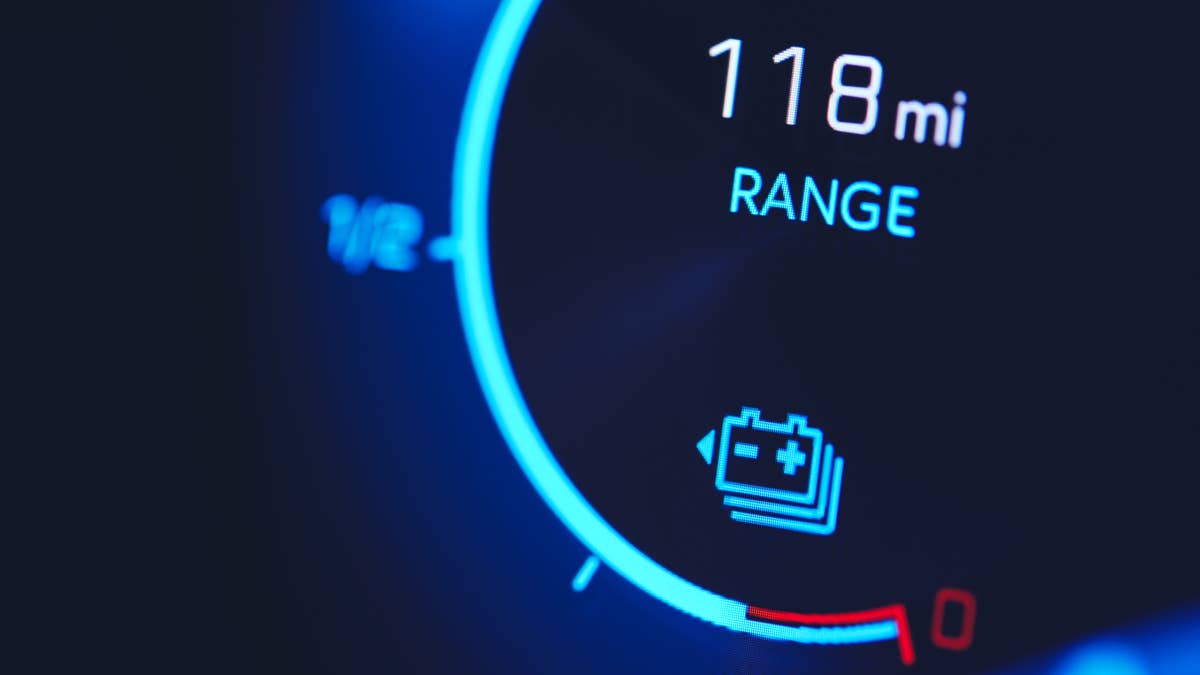
Nearly three-quarters of the most resistant EV shoppers say they need at least 500 miles of range before they would consider going electric. That number sounds reasonable until you look at how people actually drive. JD Power's research shows the average American takes two to three road trips a year, and most of those cover 200 to 300 miles. Most modern EVs handle that on a single charge with room to spare. In which case, the 500-mile expectation is not a real need; it’s unfounded range anxiety dressed up as a specification.
Another common concern is that public chargers are too far apart to make EV ownership practical. Many shoppers say they would need chargers within 50 miles of each other. That charging network density is already met across a large portion of the country, something most people simply do not know.
Where the Hesitation Is Actually Fair
Purchase price has climbed to the second most commonly cited reason for rejecting an EV among shoppers who say they are unlikely to consider one, moving up from third place. More than half of the most resistant buyers say they would not pay any premium at all for an electric car over an internal combustion car, a figure that becomes harder to work around now that the federal tax credit is gone.
Getty Images
Resale value on EVs does remain shakier than comparable petrol cars, and the used electric vehicle market has not fully stabilised. Charging costs are genuinely higher for drivers without home setups, since public fast-charging rates can rival or exceed what you would spend on gas. Now those are real considerations worth factoring in, not fears to be dismissed. The EV conversation has matured enough that buyers no longer need to be sold on the idea. They just need better information than they are currently getting, and that is a much easier problem to solve.


There are no reviews to display.