




The Secret Behind Porsche's Timeless Hypercar
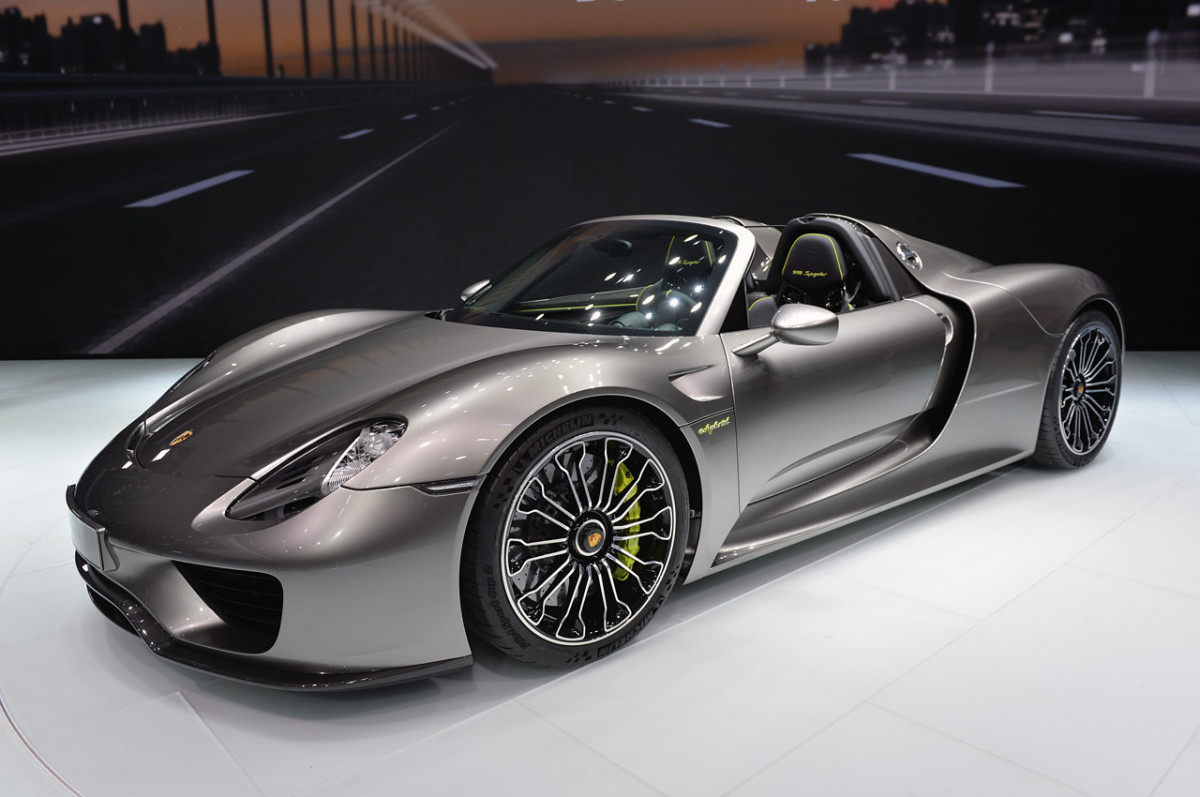
The Porsche 918 Spyder may be more than a decade old, but its performance remains remarkably fresh thanks to its future-proof hybrid powertrain. Through FRAME’s behind-the-scenes feature, we now get a look inside the birthplace of the hypercar that earned its place in the Holy Trinity.
The Holy Trinity refers to the three groundbreaking hypercars of the early 2010s: the Porsche 918 Spyder, Ferrari LaFerrari, and McLaren P1. All three used hybrid technology, but the LaFerrari stood apart as the only one without plug-in capability. The 918 Spyder was hand-built within Plant 2 at Porsche’s Zuffenhausen facility, the same site that has produced the iconic 911 for about six decades.
100 Hours of Pure Craftsmanship
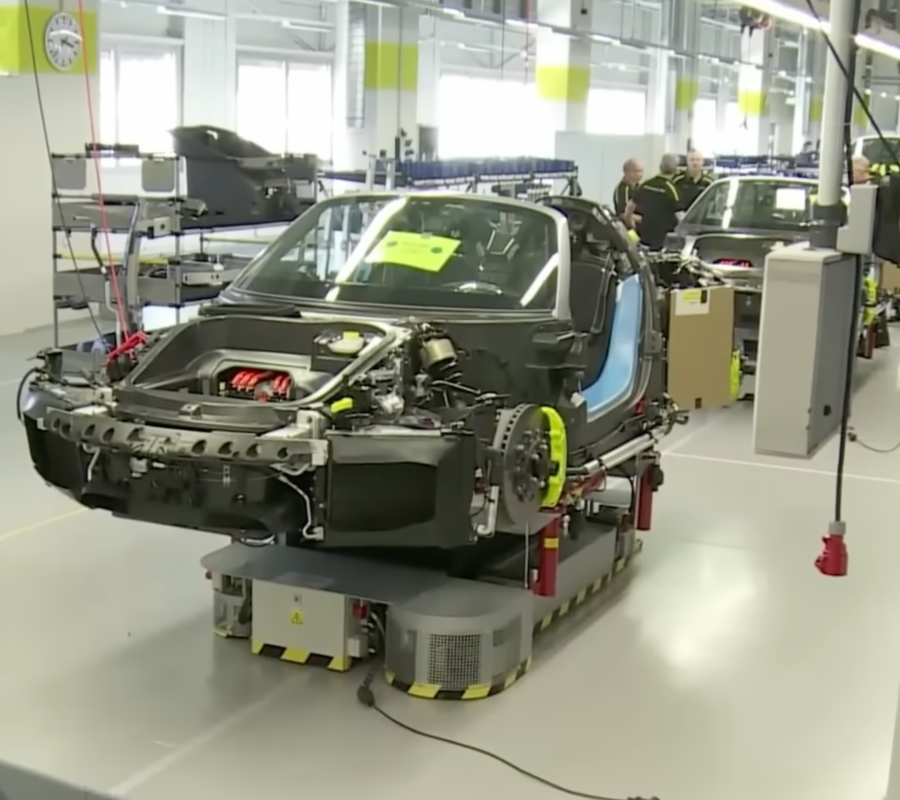
Porsche said that 100 skilled employees from 14 different countries were selected from the 911 production line to assemble the 918 Spyder. Every one of the 918 examples the automaker produced reportedly took around 100 hours of hands-on assembly, supported by contributions from more than 250 suppliers. One of them was Magna Steyr, the Austrian manufacturer known for building vehicles like the Mercedes-Benz G-Class, which supplied the 12-volt lightweight battery.
The 918’s ultra-light carbon-fiber monocoque helped deliver its impressive power-to-weight ratio. The chassis was engineered specifically to house its hybrid system, pairing a 4.6-liter naturally aspirated V8 with two electric motors for a combined 887 horsepower. Workers used pneumatic torque wrenches to secure the aluminum engine’s bolts and relied on feeler gauges to ensure perfect alignment with the design specs.
Engineering Excellence, Inside and Out
Traditional tools still played a major role. Vacuum holders positioned the windshield, while mechanical scissor lifts raised the car so technicians could install underbody components. Inside, extensive use of carbon fiber kept the weight low.
Production of the 918 Spyder concluded in 2015, with every example featuring removable roof panels. Porsche has yet to release a true successor, although the Mission X concept unveiled in 2023 offers an early glimpse at what the brand’s next halo hypercar might become.
Drew Phillips


There are no reviews to display.