


Electric vehicles are already cutting global oil demand at a scale that would have seemed unrealistic a few years ago. According to BloombergNEF, EVs avoided 2.3 million barrels of oil consumption per day in 2025. To put that in perspective, the figure nearly matches the 2.4 million barrels exported daily by Iran. Other estimates are slightly lower at 1.7 million barrels a day, with the difference coming down to conservative assumptions about how often plug-in hybrids actually run on fossil fuels. Either way, that is enough to start influencing global oil demand, not just offsetting growth. With future projections that avoided daily oil consumption could more than double to 5.25 million barrels by 2030, electric vehicles may just be the way to insulate yourself from gas price fluctuations.
MediaNews Group/Orange County Register via Getty Images/Getty Images
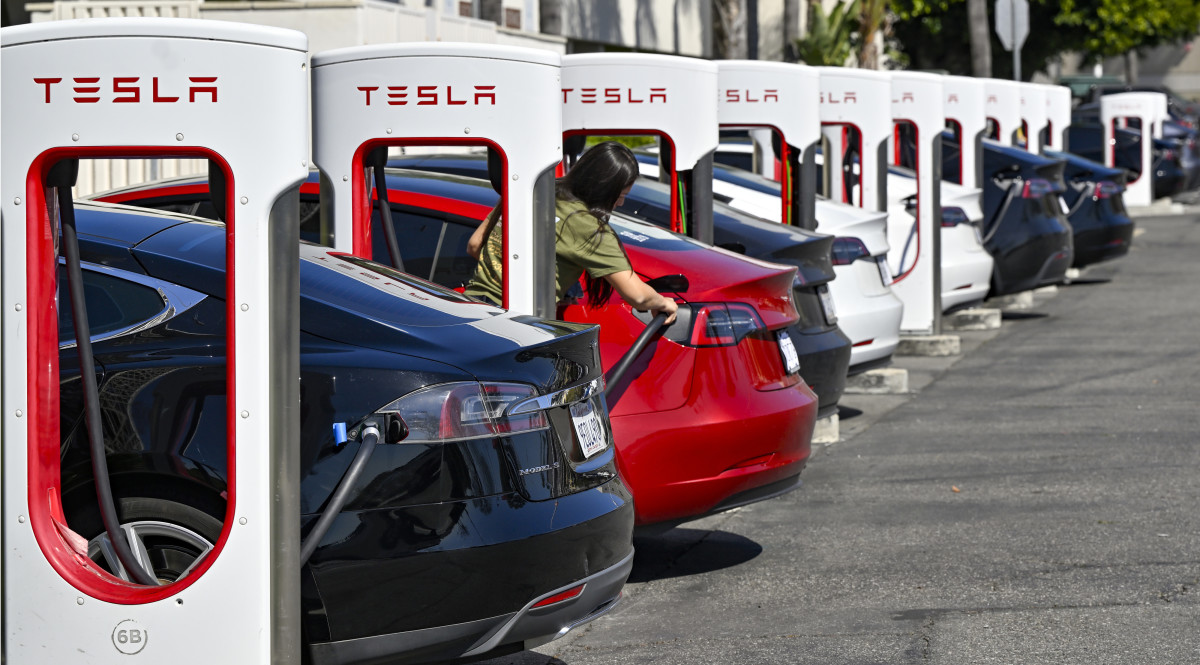
It's Not Teslas Doing the Heavy Lifting
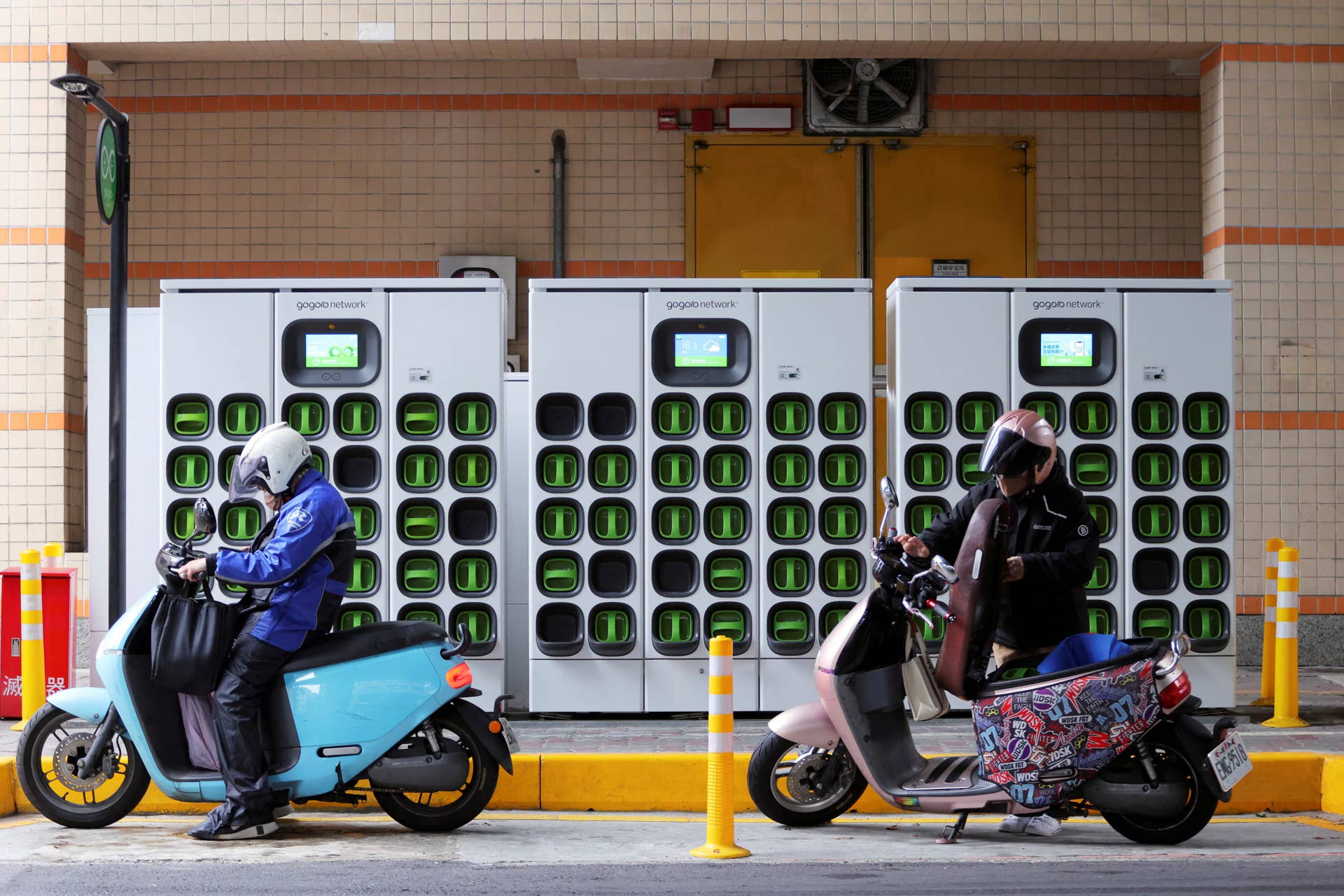
The biggest impact isn’t coming from electric cars. It’s coming from scooters. Electric two-wheeler vehicles now make up the bulk of avoided road fuel use, driven by their rapid rise in developing nations. In the first ten months of 2025, 95% of all electric two-wheeler sales globally were concentrated in just three countries — China, India, and Vietnam. A majority of households here own a two-wheeler, and these vehicles serve diverse roles from daily commuting to last-mile delivery and taxi services. Electrifying that fleet, quietly and at scale, is where the real displacement is happening. Keep in mind, these aren’t wealthy EV early adopters, either. These are ordinary commuters making a practical financial decision.
Reuters
Why This Matters Right Now for Ordinary Buyers
For car buyers across the world, this isn’t abstract. Every spike in fuel prices makes EV ownership math easier, and that shift is already underway. Oil prices are spiking again, and history suggests they rarely retreat after geopolitical shocks push them higher. The timing for American buyers is unusually good. Around 300,000 EVs are projected to come off lease in 2026, a huge jump from recent years, and by the end of 2025, the average used EV price had fallen roughly 40 percent from its 2022 highs, with more than half of listings now sitting under $30,000. Many of these cars are just two or three years old and still carry factory warranties. The original promise of the EV was to reduce dependence on fossil fuels. For budget-conscious buyers watching prices at the pump, that promise now doubles as a financial argument.


There are no reviews to display.