


Not All Batteries Fade the Same
Like smartphones, electric-vehicle batteries degrade over time, causing range to decline. But according to InsideEVs, citing a study from Recurrent, modern EVs barely lose range even after five years of ownership.
Based on data from more than 1 billion miles of real-world driving, the report found that EVs retain 97% of their range after 3 years and 95% after 5 years. That means a 300-mile EV would still offer about 291 miles after three years and 285 miles after five years.
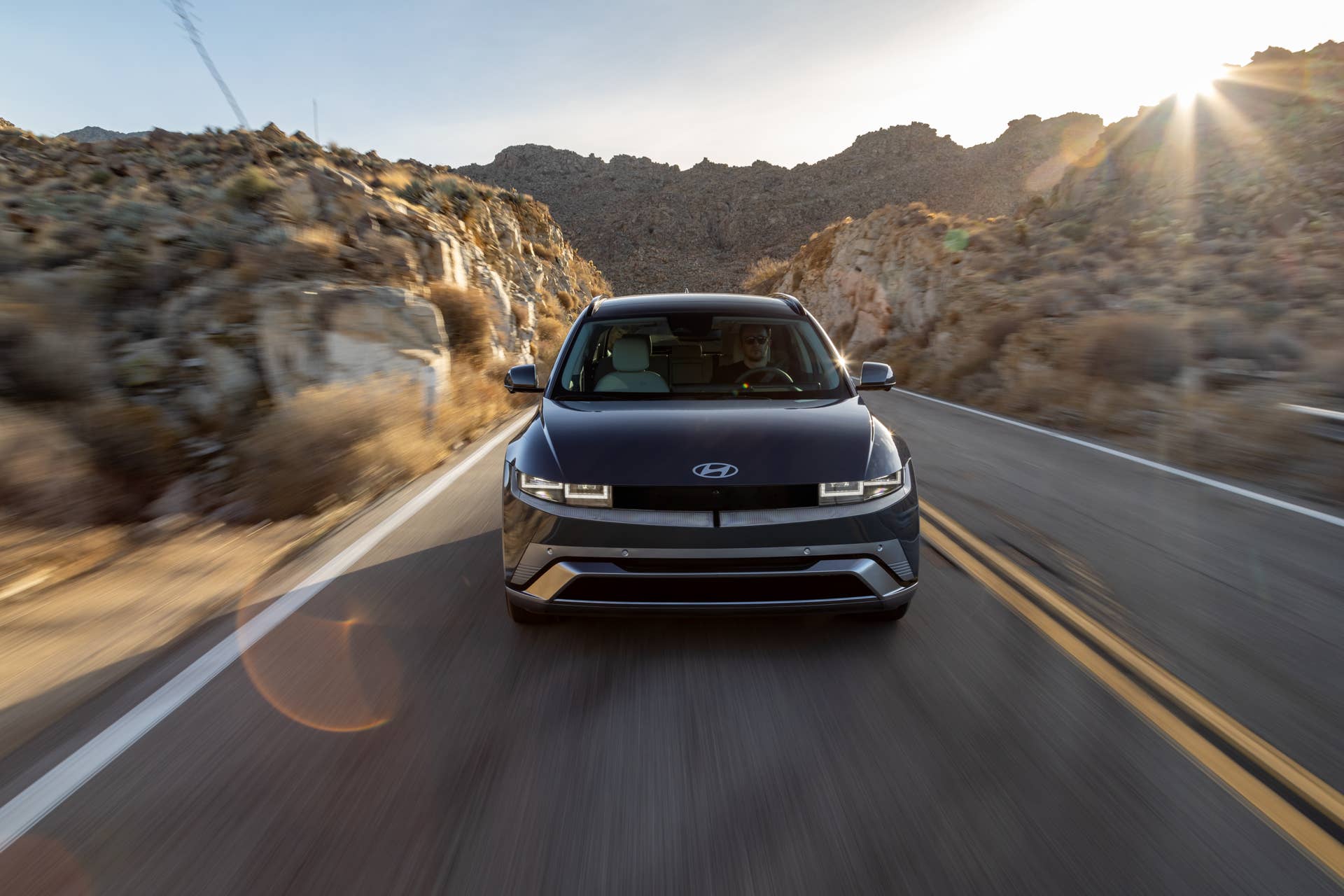
Hyundai
The Everyday Implication
That matters because many owners replace their vehicles within about six years, meaning many EVs may still retain most of their original range by the time they are replaced. The study could also ease range anxiety among buyers who assume EVs lose significant range within just a few years.
The stronger range retention is attributed to several factors, including strategies used by some automakers. One is the use of over-the-air software updates, which can release battery capacity and refine range estimates over time. The report also notes that many batteries have an unused capacity buffer that can help slow visible degradation. Improvements in thermal management and aerodynamics also play a role.
Brands like Cadillac, Ford, Hyundai, Mercedes-Benz, and Rivian reportedly showed no significant range loss after five years.
Driver habits also matter. Constantly charging to 100% keeps the battery at high voltage, which can accelerate chemical reactions and stress the cells. Frequent DC fast charging can also add heat and strain, so slower AC charging at home, often to around 80%, is usually better for routine charging. Spirited driving can also drain the range more quickly.
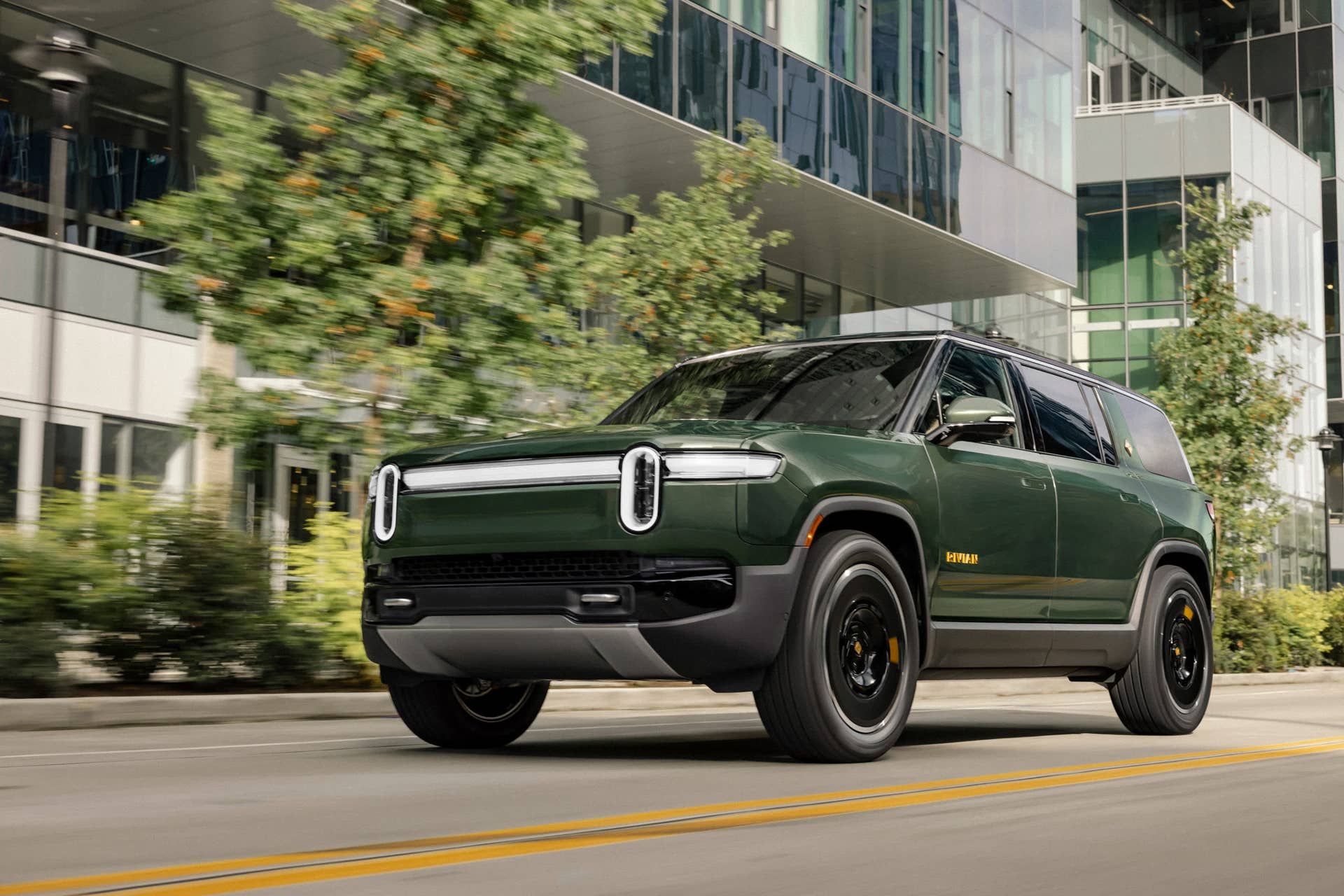
Rivian
The Human Factor
Automakers continue to improve EV battery technology, but owners can help preserve range by adopting better charging and driving habits. That can slow degradation and potentially support resale value.
Many modern EVs now offer around 300 miles of range, which is already plenty for many drivers. Since the average American drives about 30 to 35 miles per day, a 300-mile EV could last roughly a week between charges. Longer-range options are also available, led by the Lucid Air at 512 miles, followed by the Chevrolet Silverado EV at 493 miles and the Cadillac Escalade IQ at 460-465 miles.
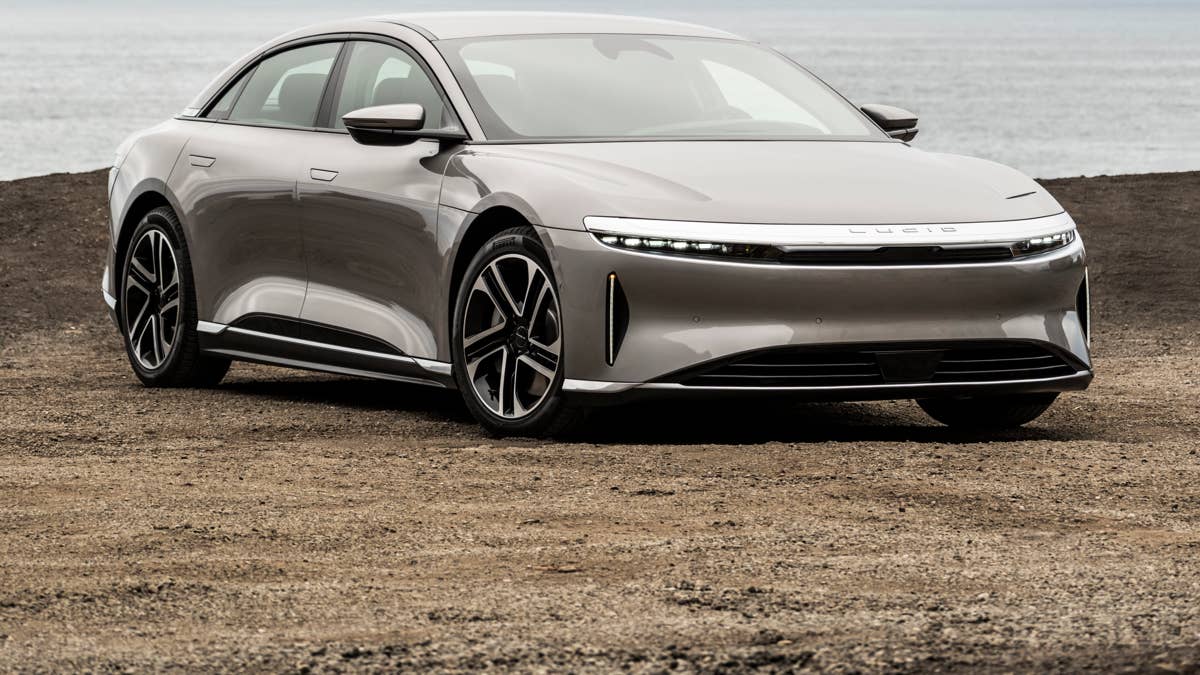
Lucid


There are no reviews to display.