


We may be well into March, but extreme winter weather in parts of the United States hasn’t let up just yet. As of Tuesday morning, freeze warnings are in effect across most of the South and spreading into the Southeast, according to the latest information from the National Weather Service.
Following a major snow storm in places like Minnesota and Wisconsin since the weekend, an extremely cold spell has followed. By contrast, parts of California are under an extreme heat warning, expected to last until Friday. Here are all the main weather updates to know about over the coming days.
Freeze Warnings in the South, Early Heatwave Hits Western U.S.
Getty Images / Michael Duva
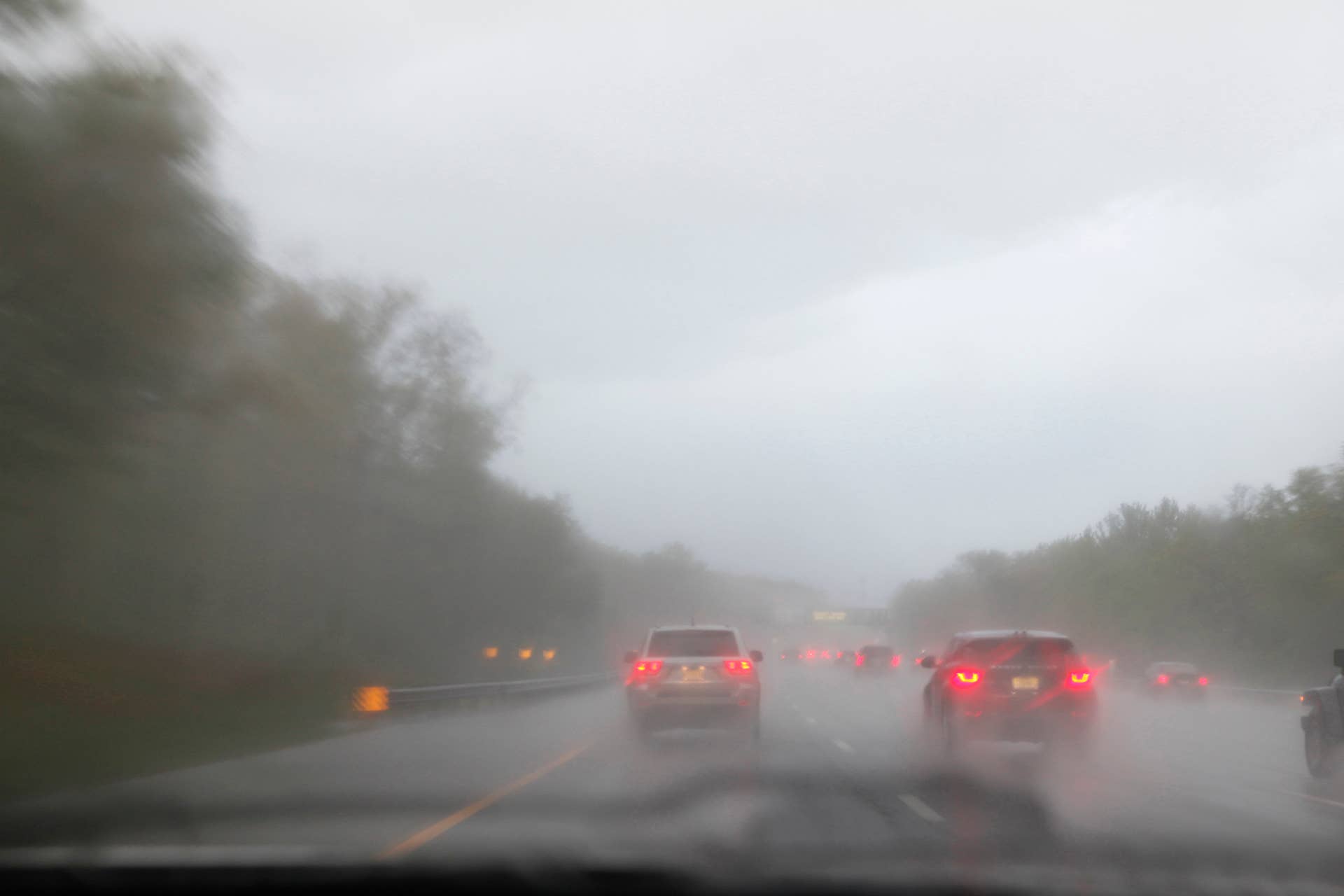
Much of the Deep South is under a freeze warning currently, which is expected to shift into the Southeast by Wednesday morning. In central Alabama, for instance, a freeze warning is in effect until 11 AM EDT on Wednesday, with temperatures as low as 25 degrees expected. This cold spell follows a major storm system from 15-16 March, creating a blast of cold arctic air in the South. In New England, a deep cyclone and potent cold front are expected to exit the region early this morning, but heavy downpours and gusty winds will still be prevalent early in the day, according to the Weather Prediction Center's latest update.
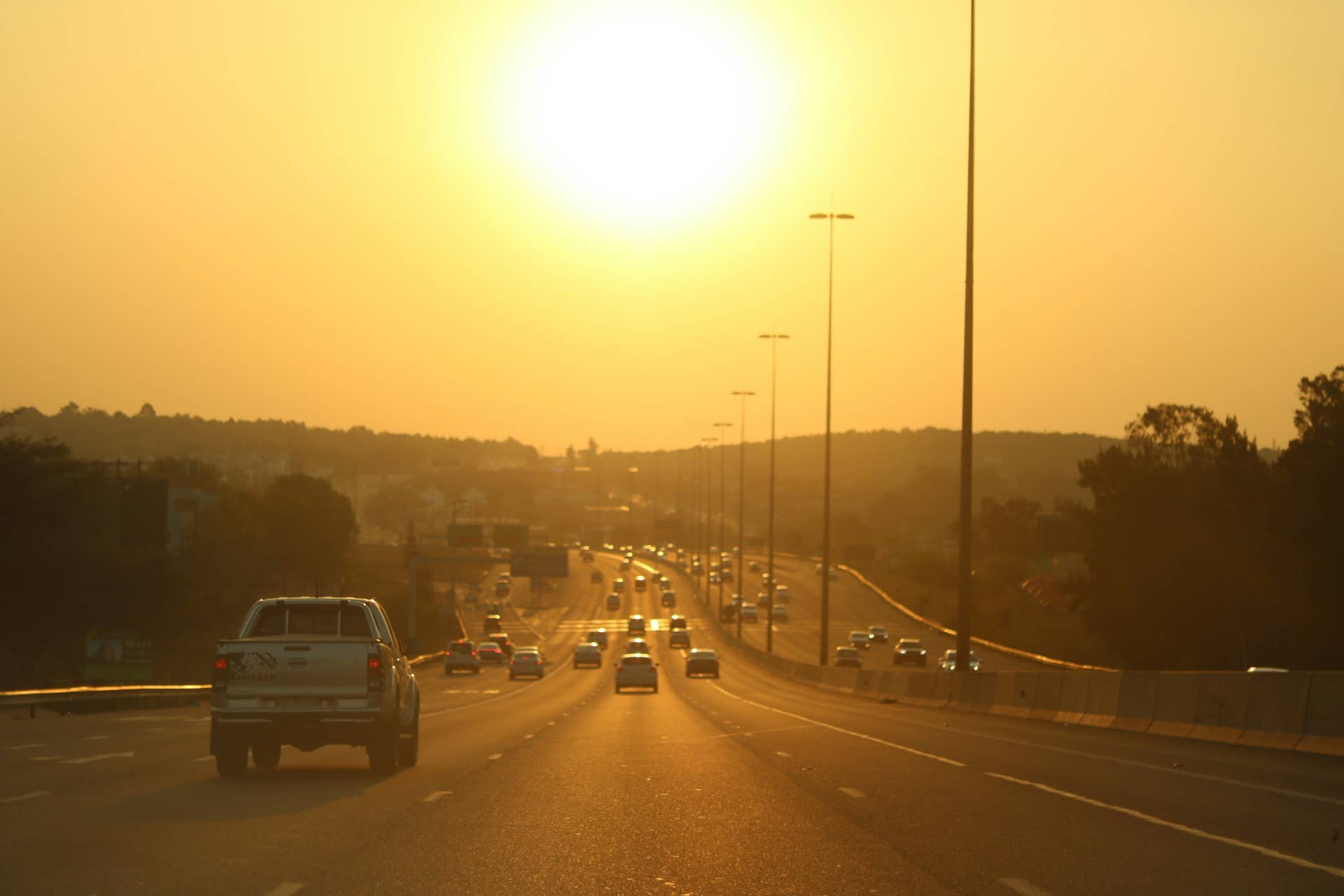
Conditions couldn’t be more different in parts of Arizona, California, and Nevada, where an extreme heat warning will be in effect from 11 AM PDT on Wednesday to 8PM PDT on Friday. In some areas, triple-digit temperatures are expected—as high as 114 degrees. Affected areas include Los Angeles, Ventura, Santa Barbara, and Riverside. These high temperatures have come remarkably early and could break monthly heat records. In some cases, existing records could be exceeded by 10 degrees.
“It looks like it’s going to be a historic heat wave,” said Robbie Monroe, a meteorologist with the National Weather Service in Oxnard, who was speaking with the Los Angeles Times. “This could be the hottest March heat wave we’ve ever had, depending on how it plays out.”
Related: Is Your Battery Ready for Freezing Temperatures? How to Tell Before It Strands You
Driver Precautions in Extreme Weather
Alicia Christi
If you need to be on the road during the freezing conditions in the South, be aware that reduced traction can increase stopping distances, possibly causing more accidents. Increase your following distances, drive slower than you normally would, and ensure that all snow and ice are cleared from your vehicle’s lights, windows, and roof. Watch out for older car batteries, too, which can be vulnerable to icy temperatures. Slow cranking can be a sign that your battery needs to be replaced.
If you’re on the roads in the heatwave in one of the Western states, getting stuck in a remote area can be dangerous. Always carry an emergency kit in your car with extra water, check all vital vehicle fluids and top off if necessary, and inspect your car’s hoses for any signs of cracking. On longer trips, fill up with gas whenever possible—the last thing you want is to be stranded in a desolate area in unbearable heat. Finally, be sure to inspect your tire pressures, as extreme heat can increase the risk of blowouts.
Related: Low Tire Pressures In Cold Weather: The 10°F Rule Every Driver Should Know


There are no reviews to display.