




When Does Responsibility Stop?
When we buy cars from manufacturers, we expect the product we just spent our hard-earned money on to be complete and well-made. After all, time and time again, we're being told by these brands the huge amounts of money they spend on R&D.
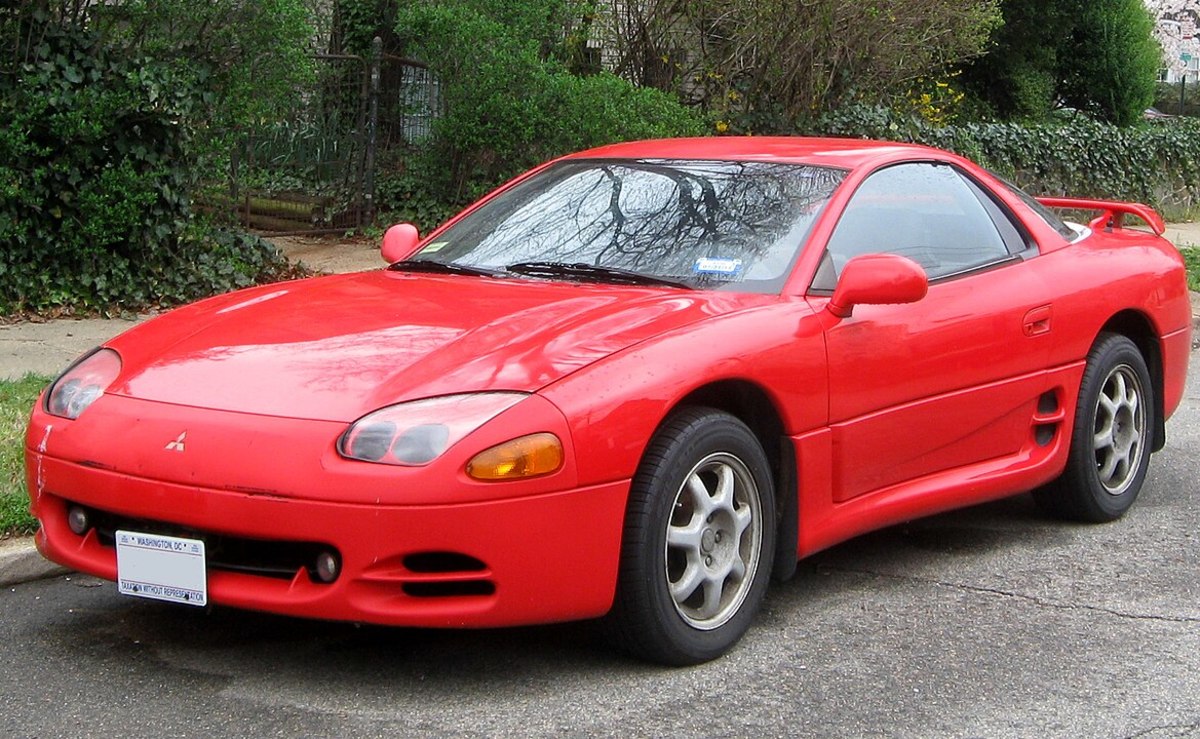
Our expectations should be highest in one area, though – safety. Unfortunately, there are instances where it just might not be enough, and tragedy strikes. Case in point: a 1992 Mitsubishi 3000GT with malfunctioning seatbelts, resulting in a lawsuit, which just received a surprising update.
Seatbelts and Headroom
A report on Car Complaints is shining a light on a curious case circling around a possible defect found on the 1992 Mitsubishi 3000GT. Back in 2017, Francis Amagasu was driving his personal 3000GT when he tried to overtake another vehicle. He unfortunately lost control of his car, and it rolled over and slammed into some trees.
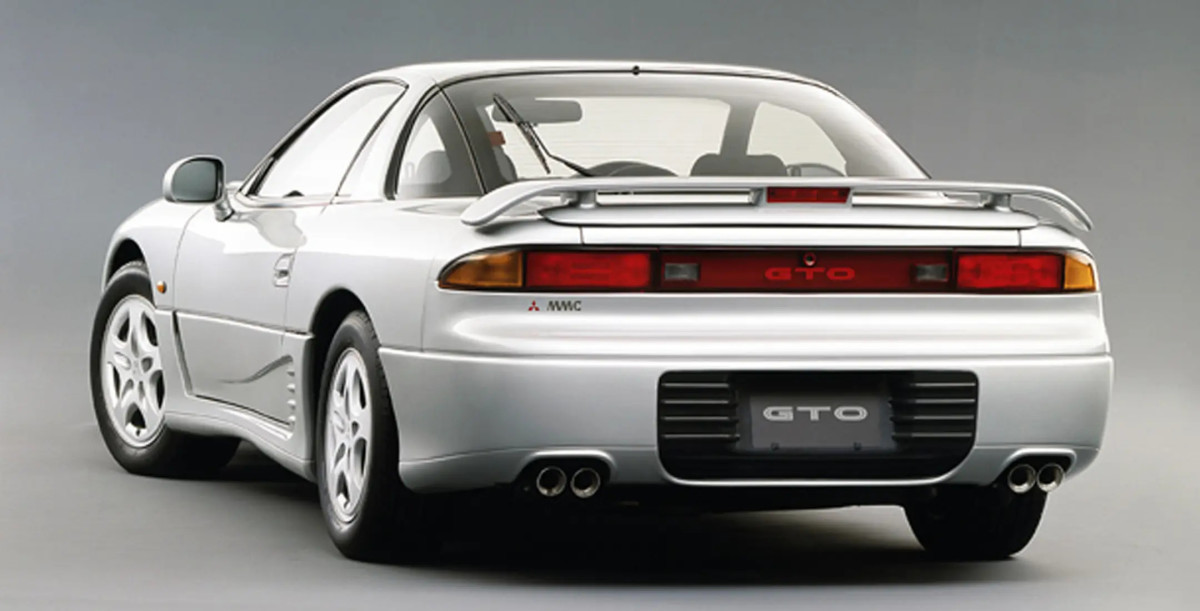
Here's where the complaint comes in: despite wearing his seatbelt during the rollover, he still hit his head on the roof of the car and ended up with serious enough injuries that have left him a quadraplegic. The following year, Amagasu's family filed a lawsuit against Mitsubishi alleging that the seatbelt was defective and that the headroom was too low.
Surprisingly, the jury of the case found enough evidence to award the victim's family a staggering $1,009,969,295.32 in damages. This comes after the fact that the car, when sold brand new, passed all safety standards and regulations.
Here is a breakdown of the payment according to the report:
"$156,488,384.01 in compensatory damages, including for past medical expenses ($925,477.01), future medical expenses ($12,581,723.00), future loss of earning capacity ($2,273,320.00), past non-economic damages ($20,000,000.00) and future non-economic damages ($120,000,000.00), and for loss of consortium ($20,000,000.00). Then the jury awarded $800,000,000.00 in punitive damages meant to punish Mitsubishi for the alleged defects."
Verdict Reversal
Due to the jury's staggering verdict in the original case, Mitsubishi felt compelled to appeal. The verdict was eventually overturned in a 49-page opinion by the Pennsylvania appeals court, which granted Mitsubishi a new trial because the jury was not given sufficient instructions and was not asked what injuries the victim would have sustained if a safer design had been used.
The new opinion of the appeals court claims that:
"In a crashworthiness case, the fact finder must consider whether the plaintiff bore his or her burden of specifically identifying the injury that a safer alternative design would have prevented, as well as the compensable injury that was ultimately caused by the alleged design defect. Without a jury instruction directing the jury on exactly how to consider this evidence, the trial court failed to 'educate [the jury] as the points of law' and how they were 'to decide the case by applying the court’s instructions to the evidence presented.'"


There are no reviews to display.