




Criminal No More?
The Trump administration has continued to scale back vehicle emissions-related regulations that were expanded under the previous administration. Most recently, the U.S. Department of Justice moved to shift alleged diesel emissions-tampering violations away from federal criminal prosecution and toward civil enforcement.
According to a CBS News report, the Justice Department instructed federal prosecutors to stop pursuing criminal charges and to dismiss all pending cases related to the sale of emissions “defeat devices” and software tampering of vehicle emissions systems under the Clean Air Act. The report said roughly 20 investigations were active at the time of the directive, including some that had been indicted in 2025.
Diesel’s Heavy Footprint
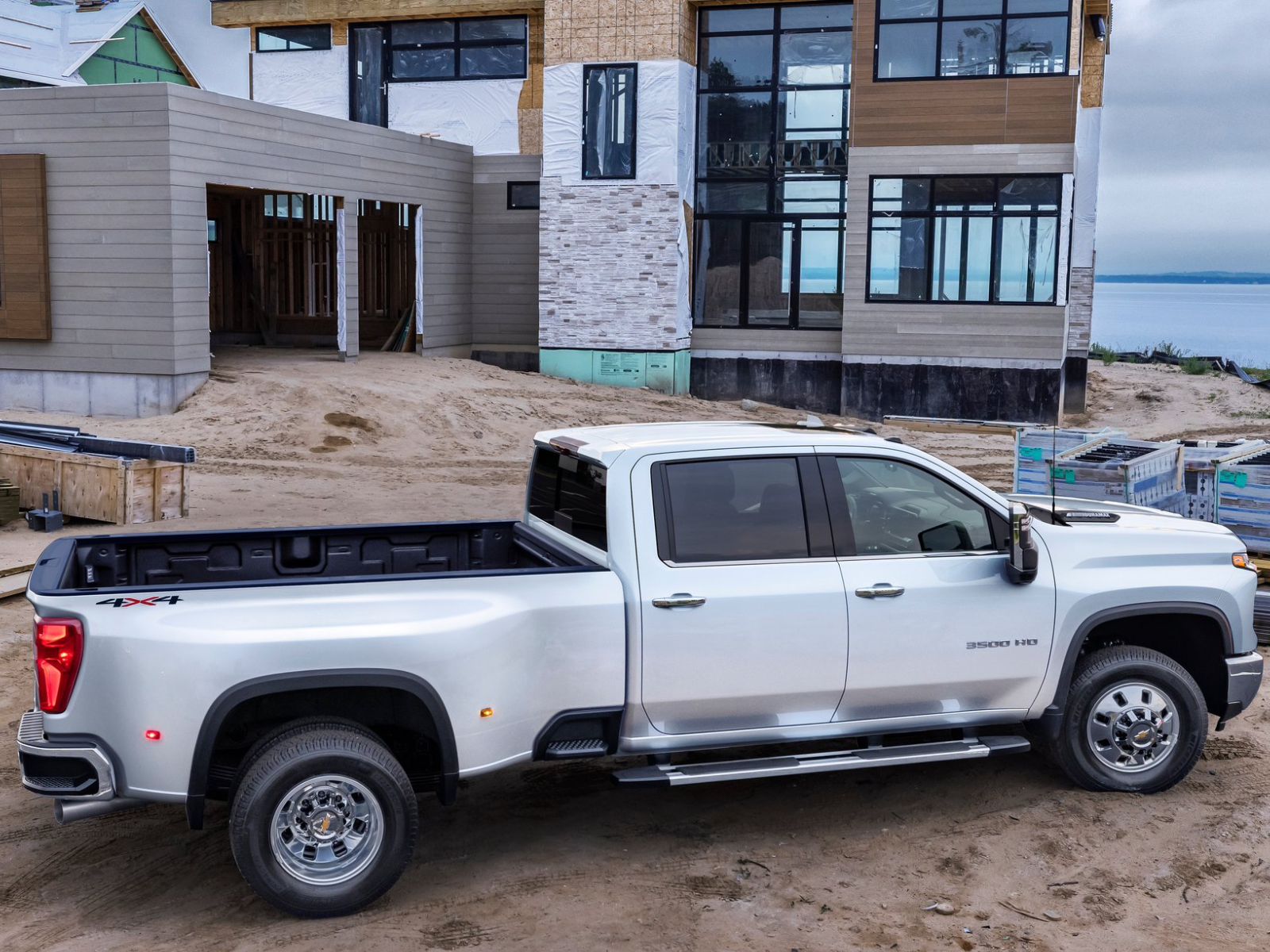
Emissions-control tampering itself remains unlawful; what has changed is how violations are enforced. The regulations are intended to limit vehicle emissions, which are generally higher with diesel powertrains than with gasoline alternatives, particularly nitrogen oxides (NOx). An EPA study published in 2020 estimated that approximately 550,000 diesel pickup trucks had had their emissions controls removed over the prior decade and projected that these vehicles would emit about 570,000 tons of excess NOx over their lifetimes.
Diesel vehicle owners may remove emissions systems for several reasons, including performance benefits. Emissions-control components are designed to reduce pollutants, which can come at the expense of engine output, meaning their removal may increase horsepower and result in a louder, more aggressive exhaust sound. Reliability concerns are also a factor, as components such as diesel particulate filters and exhaust gas recirculation systems can clog or fail over time, potentially increasing repair frequency and long-term operating costs.
The Shift Is On
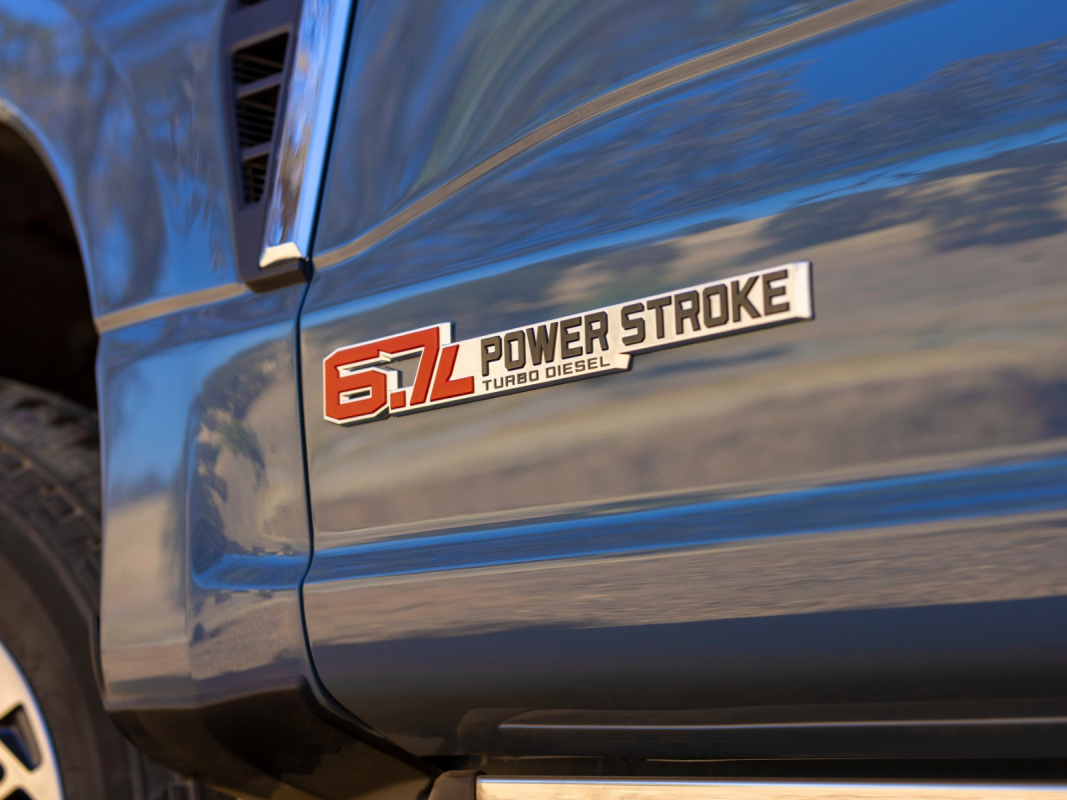
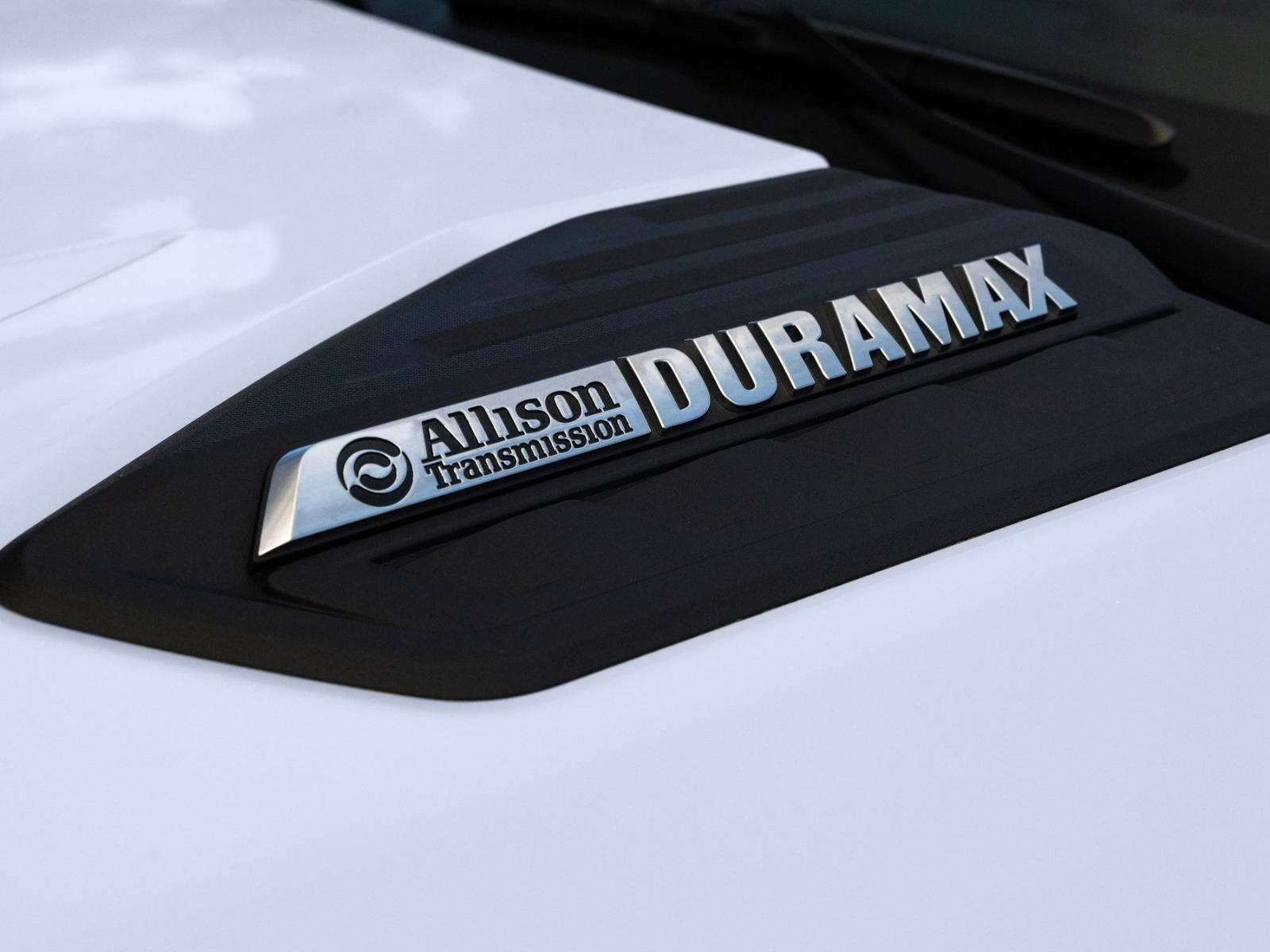
Compared with other global markets, diesel engines have a relatively limited presence in the U.S. passenger-vehicle landscape. Many automakers, including Toyota, have shifted toward hybrid powertrains that pair a gasoline engine with one or more electric motors. Instead, diesel engines in the U.S. are largely confined to heavy-duty applications, such as the 6.7-liter Power Stroke turbodiesel offered in the Ford Super Duty and the 6.6-liter Duramax V8 used in the Chevrolet Silverado HD.
Beyond changes in enforcement policy, the current administration has also indicated plans to remove federal tailpipe emissions mandates as part of a broader effort to address rising vehicle costs, with average new-car prices exceeding $50,000 in December 2025.


There are no reviews to display.