




Breaking Away from Tradition
For as long as internal combustion engines have existed, pistons have been round. This wasn't necessarily because circular shapes were optimal for performance. It was simply the easiest and most cost-effective geometry to manufacture with the machinery available when engines were first being developed. Manufacturing technology has evolved dramatically since then, yet piston design has remained stubbornly circular.
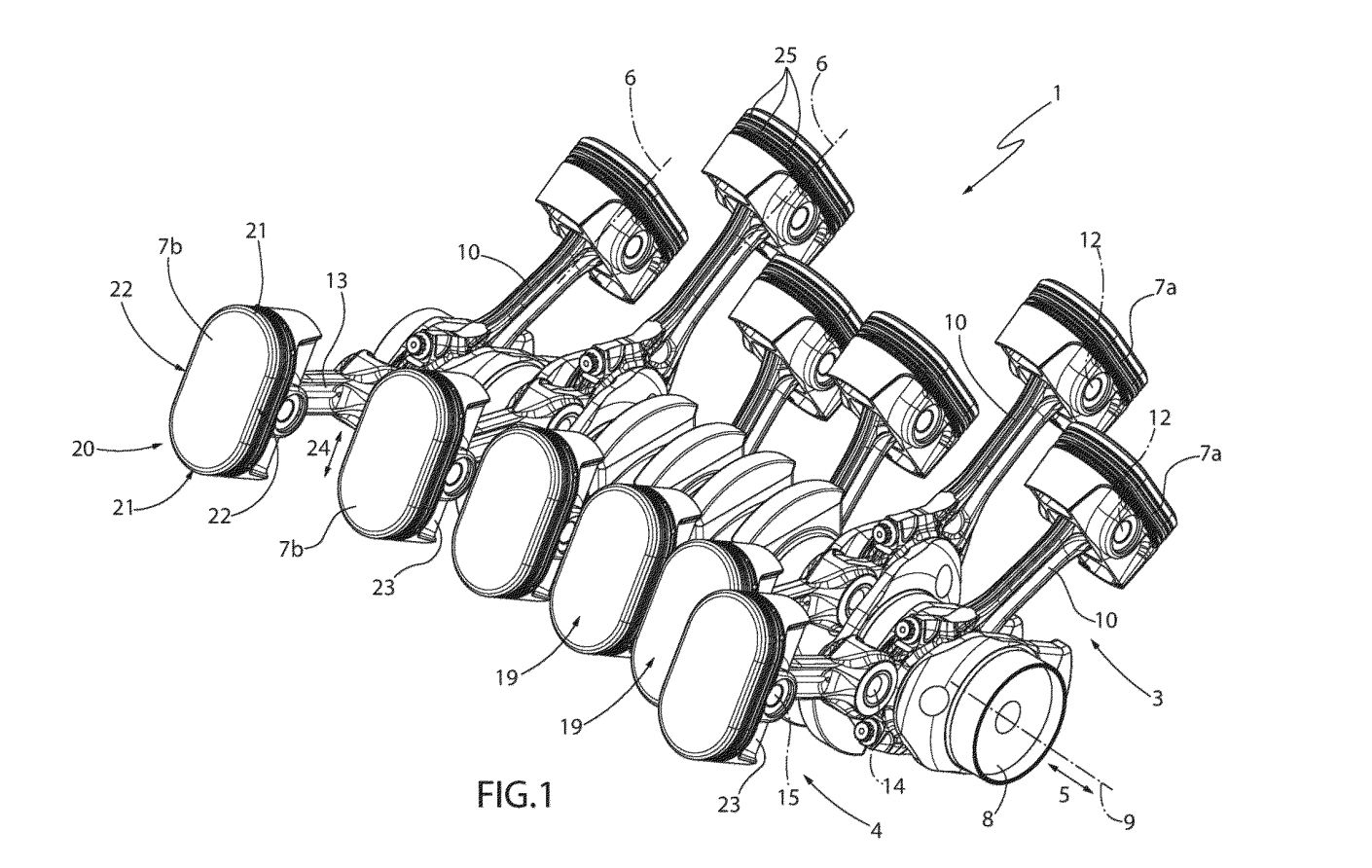
European Patent Office
Ferrari's European patent application, published in March this year, proposes something different. The company has filed protection for what engineers call a stadium shaped or pill shaped piston design. Instead of the traditional cylindrical form, these pistons are oval with elongated sides, or rectangles with semi-circular ends. Nothing says how serious Ferrari is about the internal combustion engine's future than a complete reimagining of fundamental engine architecture.
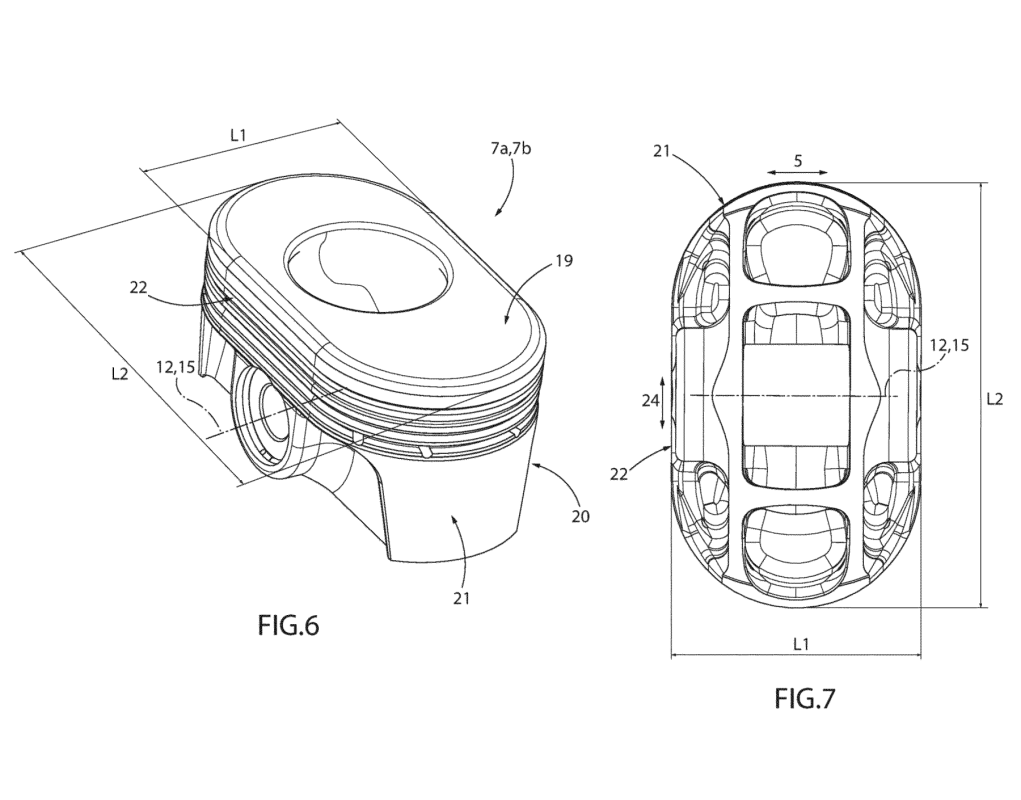
European Patent Office
How Oval Pistons Switch Things Up
Ferrari’s key innovation lies in the orientation. The long side of each oval piston lies perpendicular to the crankshaft. This arrangement allows the short dimension of the piston to run parallel to the crankshaft, which means the entire engine becomes significantly shorter from front to back.
This matters enormously for packaging, especially in engines with many cylinders. A V12 engine using conventional round pistons requires substantial length to accommodate all twelve cylinders. Ferrari's oval design could compress the footprint considerably while maintaining the same displacement and cylinder count, possibly even with a hybrid unit. The patent also describes using shared connecting rods via a multi-link system for pistons on opposite banks, further reducing the engine's overall size.
Ferrari isn't the first to experiment with oval pistons. Honda attempted something similar with its NR500 motorcycle racing engine in the ‘70s and ‘80s, but oriented the pistons differently with the long axis parallel to the crankshaft. The ellipse piston design was also more complex, and Honda faced issues with the precise machining of piston rings, creating the required combustion chamber sealing and eventually high-rpm failures.
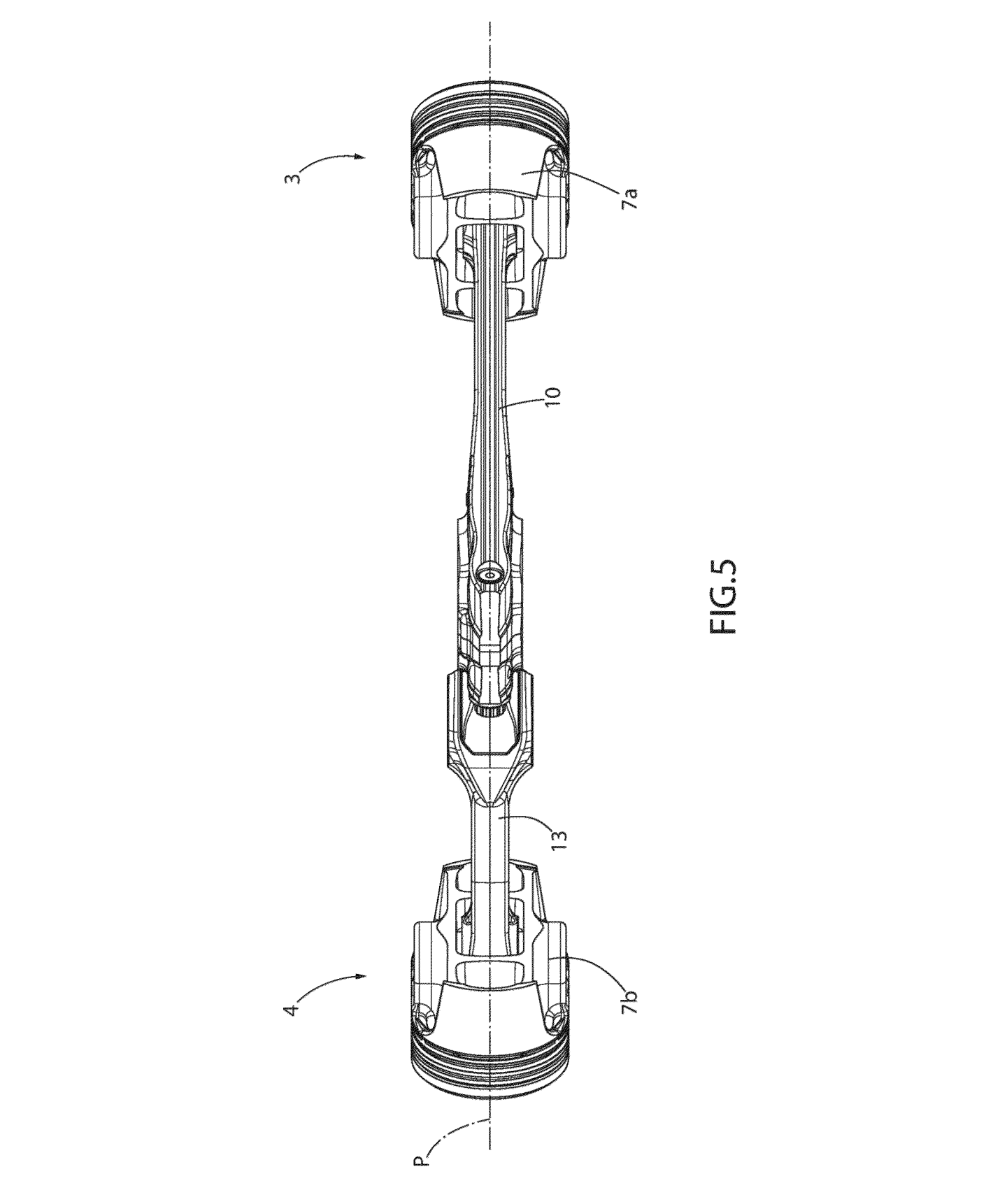
European Patent Office
More Than Just Space Saving
As packaging constraints tighten and efficiency demands increase, engineers must find creative solutions to maintain power output without building physically massive engines. Exotic configurations like Bugatti's W16 have addressed this problem through clever cylinder arrangements, but Ferrari's approach attacks the issue at an even more fundamental level by rethinking the piston itself.
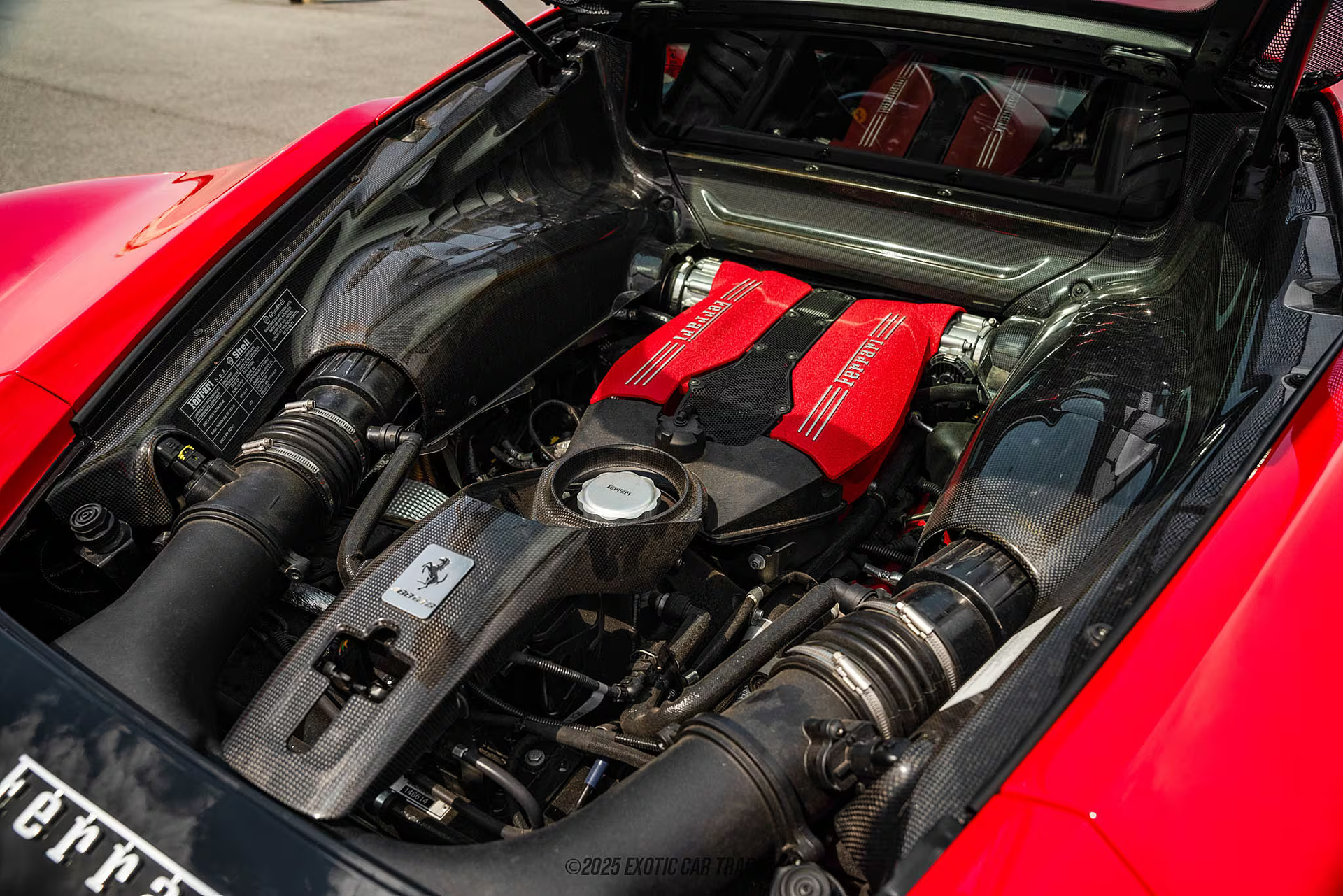
Exotic Car Trader
The benefits of oval pistons are potentially more than just space-saving. Depending upon how the oval shape is implemented, there is great potential for improved combustion efficiency, lower frictional losses, and better thermal management. Given the increased surface area of the piston, there’s also scope for increasing valve surface area through more valves, which would allow the engine to breathe better. On the flip side, manufacturing complexity and cost will shoot up, considering a switch to oval pistons is like reinventing the wheel.
Whether this patent ever materializes in an actual Ferrari engine remains to be seen. But the very existence of this filing suggests Ferrari is actively exploring ways of rethinking internal combustion engine architecture for the better, which is good news for enthusiasts hoping to see them around for decades to come.


There are no reviews to display.