




Charging EVs on the Move
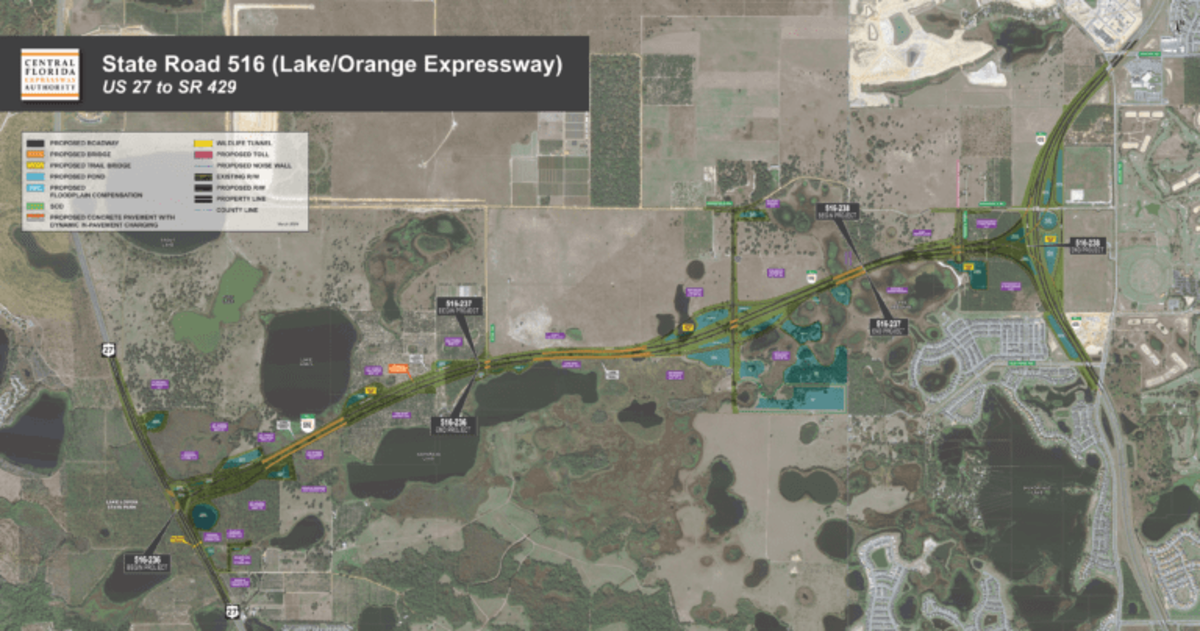
As the current decade unfolds, more and more solutions are being introduced to help eliminate what's known as “range anxiety” in electric vehicles. Over in Florida, the state is constructing a new expressway built with an integrated charging capability, allowing EVs to receive power without needing to stop and plug in.
WFTV Channel 9 was granted early access to the construction site and shared the latest developments. The expressway, which will connect Orange and Lake counties, will be equipped with an in-pavement charging system that uses inductive coils embedded beneath the road surface. These components are connected to the electrical grid and designed to wirelessly transfer power to vehicles traveling over the roadway.
While the concept sounds promising, most passenger EVs on sale in the U.S. aren't fully compatible with this technology.
Compatibility Challenges
Perhaps the closest example is the new Porsche Cayenne EV, which can be paired with an optional wireless charging system priced at around $8,000, though even that setup falls short of full compatibility with the road charger.
According to ENRX, the project’s technology partner, the electrified roadway can deliver charging speeds of up to 200 kW, which is comparable to many DC fast chargers, which typically peak at around 350 kW.
The Norway-based company’s system will be installed along a 0.75-mile stretch of the otherwise 4.4-mile expressway, making it clear that the technology is intended to supplement charging rather than serve as a primary or dependable power source. The section will function largely as a real-world testbed for evaluating future applications.
Built for Fleets
The primary target for this type of charging infrastructure is commercial fleets, including delivery vans and long-haul trucks. Retrofitting passenger EVs with inductive receivers adds weight, and in the pursuit of higher EPA range ratings, automakers may be reluctant to adopt the technology widely. Beyond weight concerns, such systems would also introduce added cost and complexity, along with another component that could potentially fail.
WFTV Channel 9 reports that the entire expressway project, estimated to cost more than $500 million, is expected to be completed by 2029, with some sections opening earlier. The system will not affect non-electric vehicles and includes built-in safety measures that automatically shut off charging if misalignment is detected.


There are no reviews to display.