




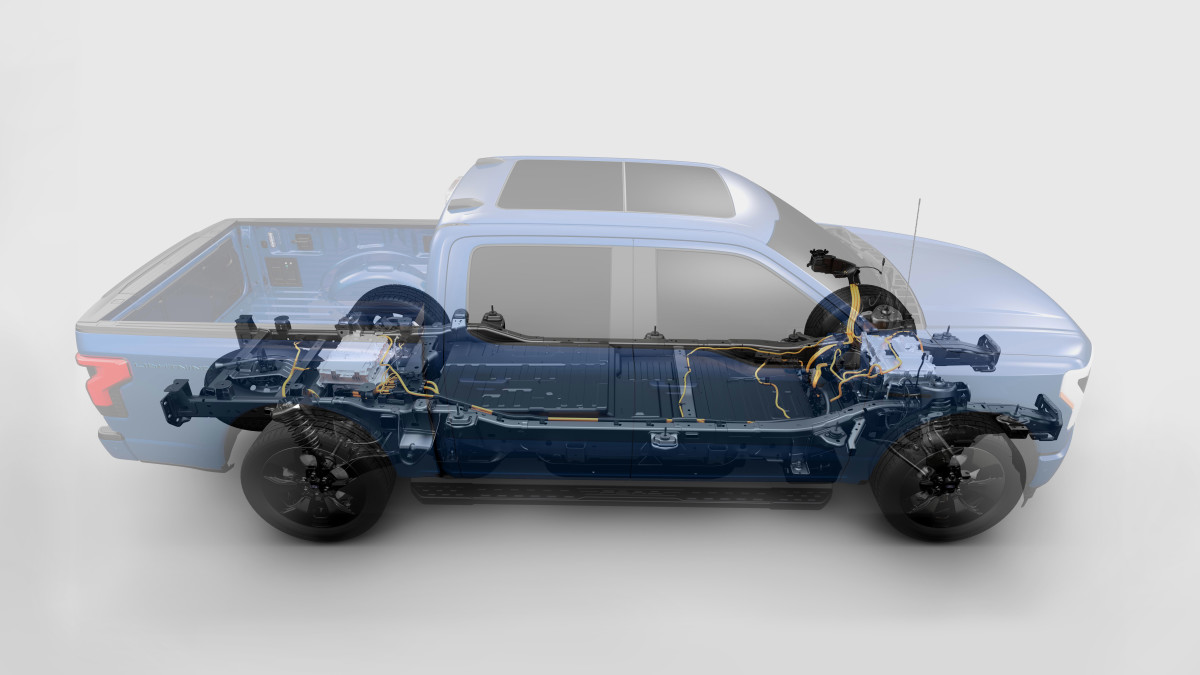
Ford has come to learn that not everyone wants an EV, shocking, we know. With demand declining and sales falling short of early expectations, the Blue Oval appears to be searching for "creative" ways to rein in costs. Instead of replacing plush leather with scratchy plastics, Ford now stands accused of shortchanging its own dealerships. A new lawsuit claims two franchised dealers were left severely out of pocket after completing EV battery replacements, with a gap of roughly $20,000 per vehicle that Ford allegedly refused to cover. To make things even more awkward, Ford just confirmed that production of the fully electric F-150 Lightning will end later this year, underscoring just how quickly its EV ambitions are being reassessed.
Ford Reimbursed Less Than 3% per Battery
Ford
According to the lawsuit, two New York dealers, Patchogue 112 Motors and Jericho Turnpike Auto Sales, carried out multiple full battery replacements on Ford electric vehicles starting in early 2024. Each replacement reportedly costs around $22,600 once parts and labor are factored in. Ford, however, is accused of reimbursing just $600 per job in most cases. One dealership says it completed 15 battery replacements. Thirteen were reimbursed at $600 each, with the remaining two paid at approximately $13,000 per battery. Even with those higher payments, the dealer claims it was still left short by about $286,200. The second dealership reports a similar experience, stating it was paid roughly $20,000 less per battery than the actual cost.
Legislation and Ethics
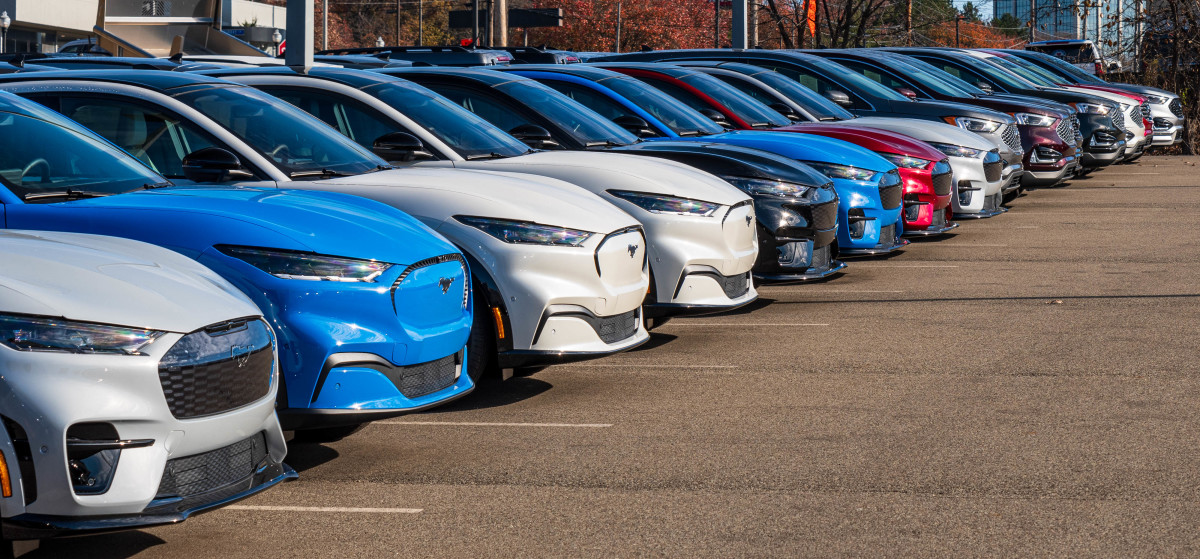
Ford has been vocal about redesigning dealer spaces to simplify the car-buying process. On the showroom floor, the experience may indeed be smoother, but behind the scenes, it seems as if dealerships are left navigating costly repairs with limited manufacturer support. Under New York law, automakers are required to reimburse dealers for warranty repairs at rates comparable to non-warranty retail work, including parts pricing and reasonable labor markups. The lawsuit argues that Ford ignored these requirements by applying flat-rate reimbursements that bear little resemblance to real-world costs. While EVs are generally cheaper to maintain day to day, battery replacements can run as high as $25,000, making underpayment especially damaging. In essence, by limiting reimbursement, Ford effectively lifted the financial burden away from itself and dropped it onto individual dealers.
Two Dealerships For Now
The case, titled 440 Jericho Turnpike Auto Sales LLC v. Ford Motor Company, was filed on December 5, 2025. For now, it involves only two dealerships, but there's still a chance that similar actions may follow in other states, especially considering the decline in the EV sales. Whether this was a deliberate act of cost-savings or an oversight remains to be proven. Buying a Ford may be getting easier, but being a Ford dealer, it seems, is becoming far more complicated.


There are no reviews to display.