


China at the Gate
At this point, it seems it’s only a matter of time before Chinese automakers enter the U.S. market, at least in some form. They are expanding across Mexico and parts of South America, while Canada has signaled its willingness to allow some of their vehicles into the country.
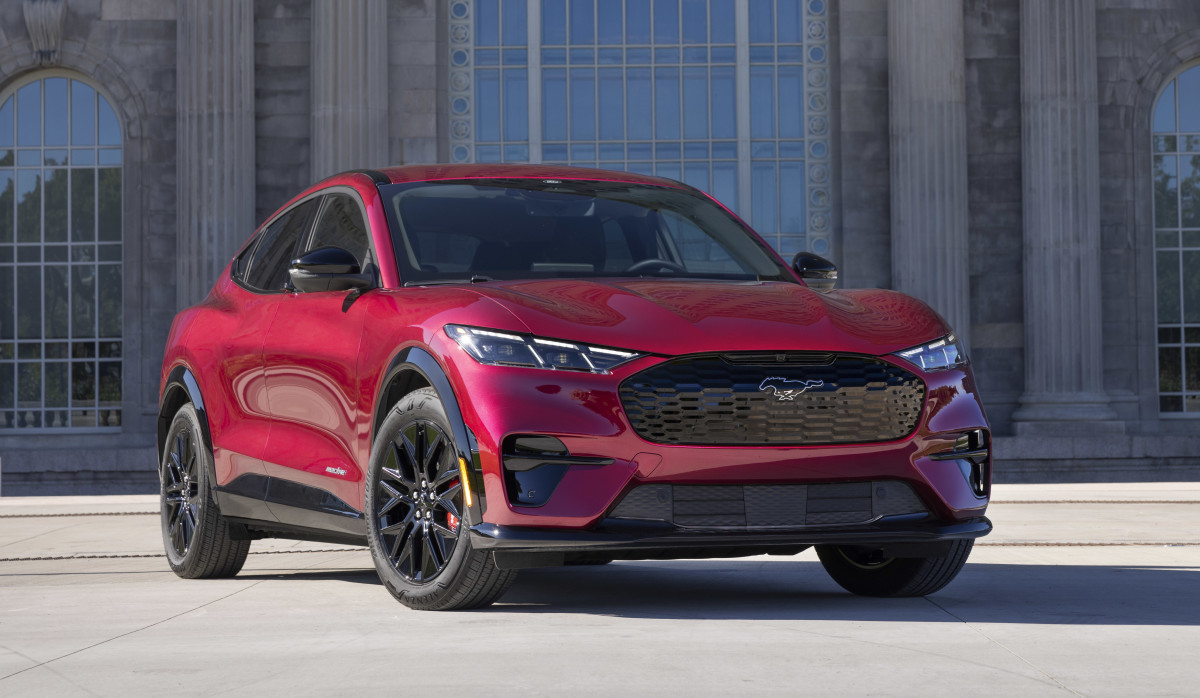
Ford is reportedly addressing the issue by discussing a framework with the Trump administration that would allow Chinese automakers to build vehicles in the U.S. through joint ventures. According to Automotive News, such arrangements would involve shared profits and technology, while ensuring the American partner retains a controlling stake to prevent Chinese brands from overwhelming the market.
High Tech, Low Price
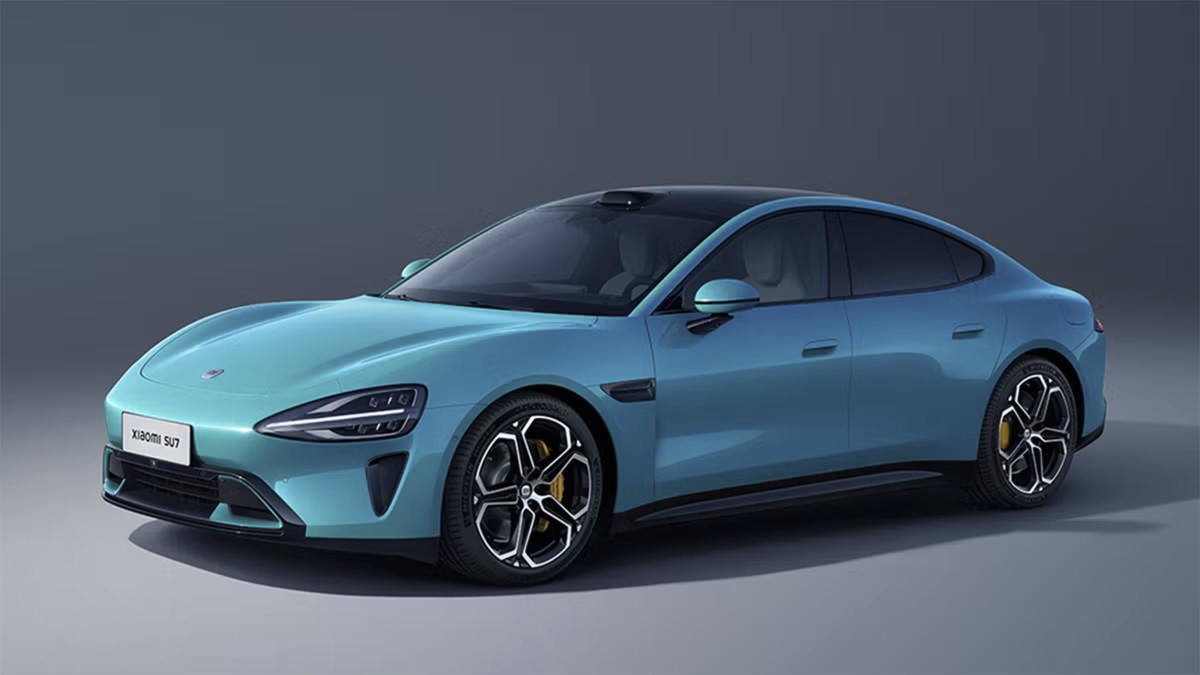
Chinese automakers’ formula is straightforward: offer advanced technology at relatively low prices. For example, the Xiaomi SU7 Max produces around 600 horsepower and delivers performance comparable to the Tesla Model 3 Performance, yet it’s priced just above $40,000. If vehicles like this eventually reach U.S. shores, they could significantly disrupt the market – particularly on pricing – forcing established automakers to adapt.
That’s a concern General Motors has voiced. The company warned that Chinese brands entering the U.S. could have a “devastating effect” on North American suppliers. For consumers, however, increased competition could mean more choices and more competitive pricing. For automakers, the stakes are far higher. Ford has cautioned that if it loses to China, “we do not have a future at Ford.”
While Ford isn’t actively pushing for the joint venture proposal, it may ultimately emerge as a viable response to China’s growing global footprint. The report suggests that additional developments could follow President Donald Trump's April meeting with Chinese President Xi Jinping in Beijing.
BYD
Preparing for Impact
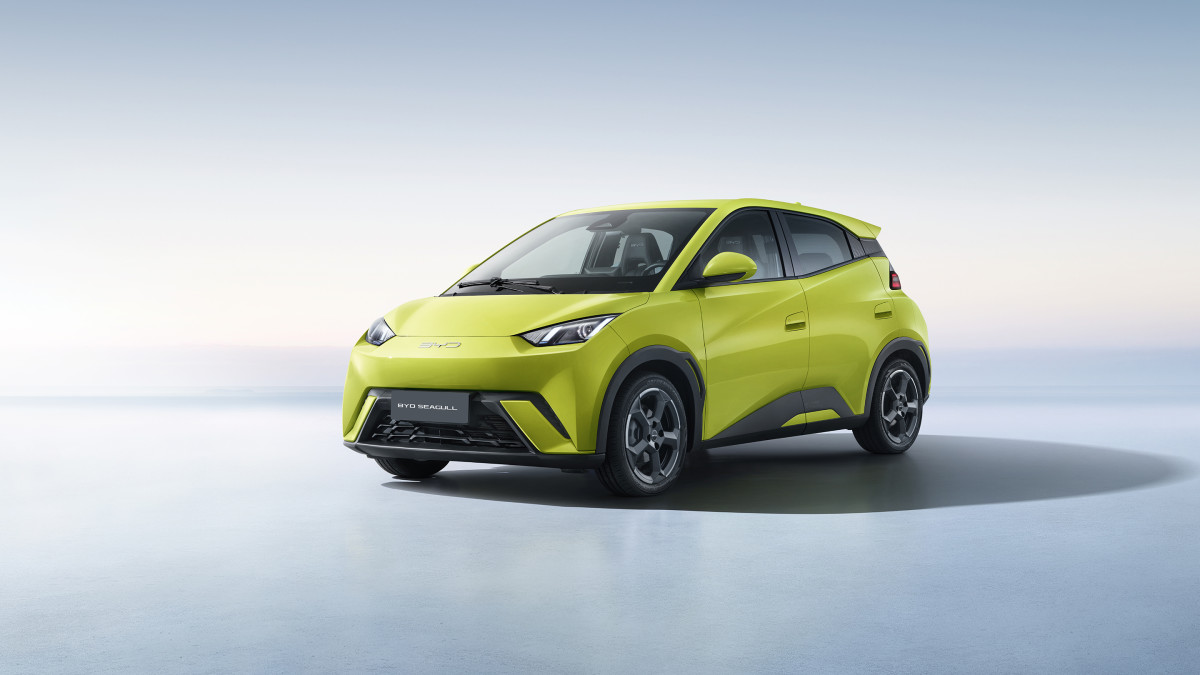
In the meantime, Ford has expressed openness to collaborating with Chinese companies and has openly praised China’s advancements in EV technology. The Blue Oval is working on lower-cost electric vehicles to better compete with brands like BYD – the world’s top EV seller, which surpassed Tesla last year.
That strategy is becoming increasingly important in the U.S., especially after the federal EV tax credit ended in late 2025. Currently, some of the most affordable EVs in the U.S. include the Nissan Leaf and the returning Chevrolet Bolt EV, both priced at around $30,000.
Ford has also denied rumors that it is in talks with Xiaomi to build vehicles in the United States.


There are no reviews to display.