




A Reset Focused on What People Are Actually Buying
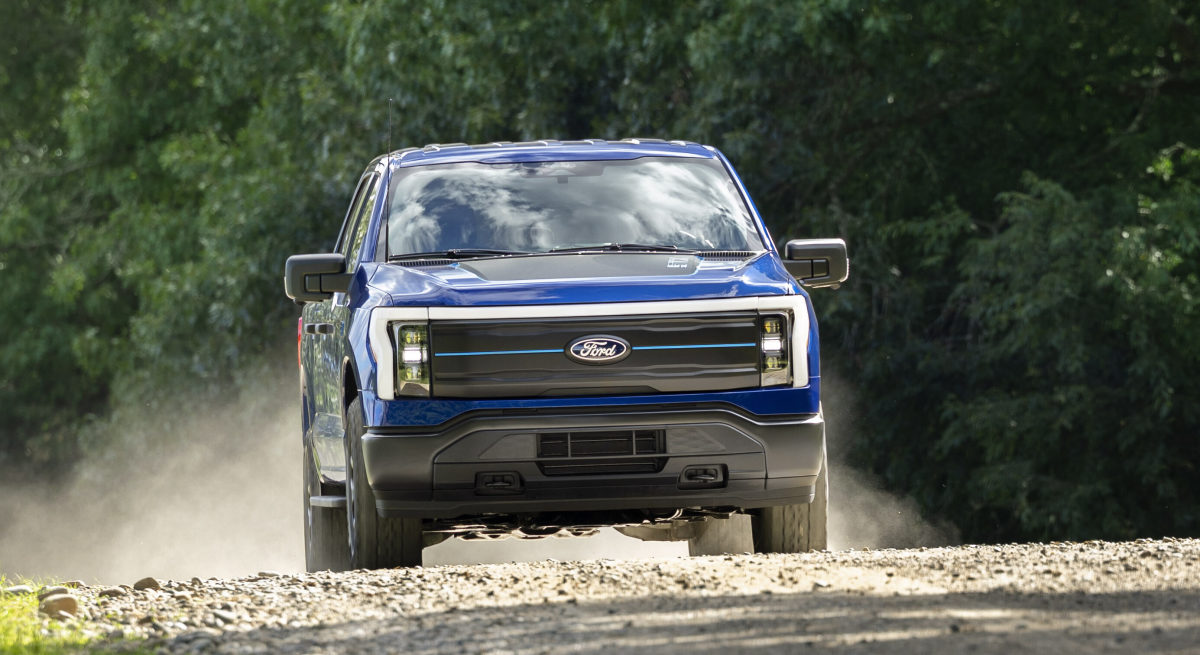
Ford’s decision to wind down the production of the F-150 Lightning runs parallel to a more significant shift for the brand. Instead of chasing headlines with bold EV promises, Ford has laid down a concrete outlook – one that isn't just focused on fully electric models. The plan is to put more resources into trucks, vans, hybrids, and electric vehicles that regular customers can afford.
By 2030, Ford expects about half of its global sales to come from hybrids, extended-range EVs (EREVs), and fully electric vehicles, up from roughly 17% today. Instead of betting everything on full EVs, Ford plans to offer gas, hybrid, and electric options across most of its lineup – a move that mirrors Toyota's approach globally.
Ford is also cleaning up its books, taking some losses on EV investments that aren’t panning out, and boosting its short-term profit forecast thanks to its mainstay products.
Smaller EVs, More Hybrids, and a New Midsize Electric Truck
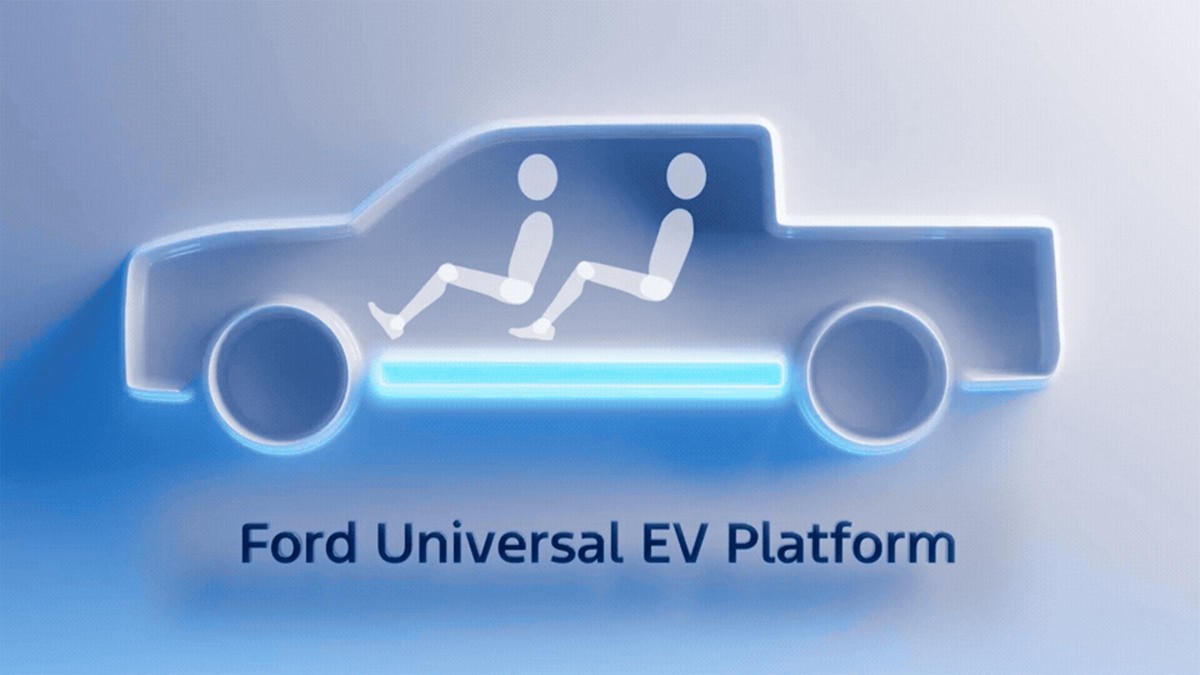
The big change in Ford’s EV strategy is a new Universal EV Platform. This one is built for smaller, lighter, and more efficient vehicles that can be sold worldwide – and, more importantly, priced for regular buyers. Ford didn’t mention the previously promised “under $30,000” price tag, but the focus is clearly on making EVs that people can actually afford.
The first model on this new platform will be a midsize electric pickup, set to start production in 2027 at the Louisville Assembly Plant. Ford is aiming for a practical work truck here, not a niche lifestyle vehicle – expect a focus on connectivity, efficiency, and keeping costs in check.
Hybrids are back in the spotlight, too. Ford will roll out several types – some tuned for fuel savings, others for performance, and even versions that can power tools or equipment. This, of course, includes the upcoming F-150 Lightning EREV.
By 2030, almost every Ford will have a hybrid or multi-energy option on the table. But the bottom line, according to the automaker, is that five new affordable vehicles are planned for introduction by the end of the decade, four of which will be assembled in America.
Ford
Trucks and Vans Stay at the Core
Meanwhile, Ford is leaning on its truck brand reputation, with a few tweaks along the way. The Blue Oval City in Tennessee will focus on building trucks, with new, affordable gas-powered pickups set to be introduced in 2029. These will replace a previously planned all-electric truck, effectively expanding the lineup.
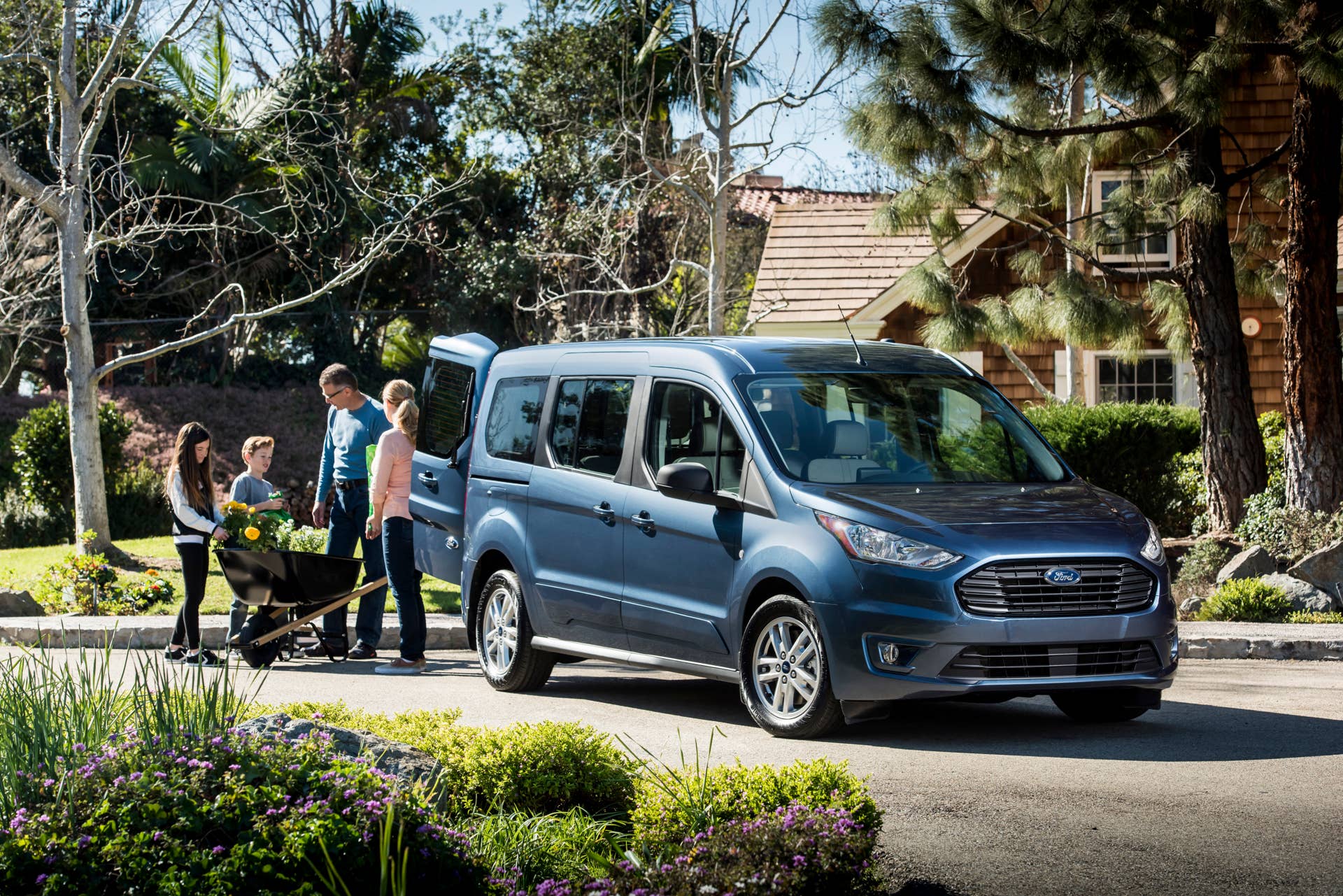
Then there’s a new van that will be offered with gas and hybrid powertrains, replacing an earlier plan for a North America–specific electric van. Ford says the goal is to better match what commercial customers actually need day to day.
Electric vans aren’t going away completely, but Ford is being more selective about where and how it offers them, especially outside Europe.
Battery Storage and Business
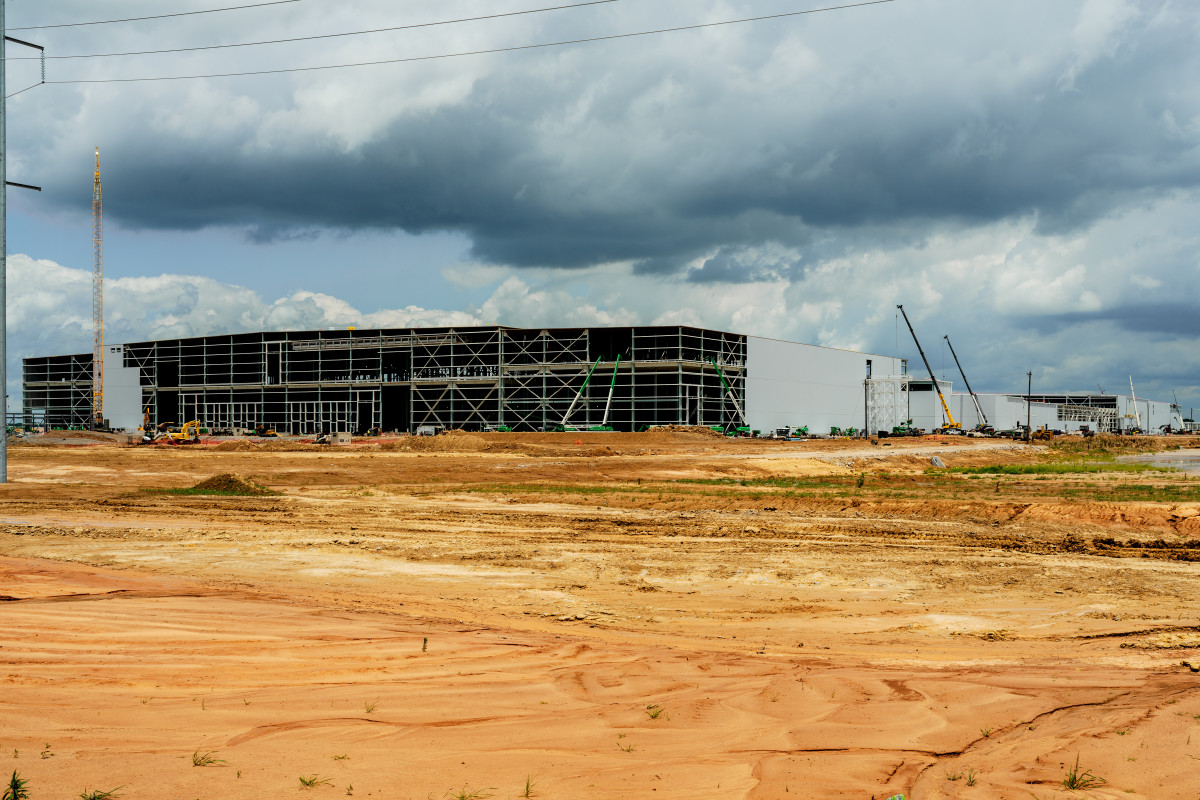
One move that hasn’t made as many headlines: Ford is getting into battery energy storage. Using its battery plants in Kentucky and Michigan, Ford will build large-scale LFP-based storage systems for data centers, utilities, and industrial customers.
Production is set to start in 2027, with up to 20 GWh of annual capacity by the end of that year. Ford is putting about $2 billion into this, using extra EV battery capacity to tap into a new line of business.
To address previous reports of a split between Ford and SK On, the companies have entered into a joint venture disposition agreement. The result is that a Ford subsidiary will own and operate the Kentucky battery plants independently. SK On, on the other hand, will fully own and operate the Tennessee battery plant.


There are no reviews to display.