




Ford chief executive Jim Farley says a stable trade deal with Mexico and Canada is critical for the US auto industry, because modern vehicle production depends on parts and assemblies moving across North America with minimal friction. His comments, via Reuters, land as the US Mexico Canada Agreement heads toward a scheduled review, and as politics, tariffs, and cost pressures collide with the practical reality of how cars and trucks are built.
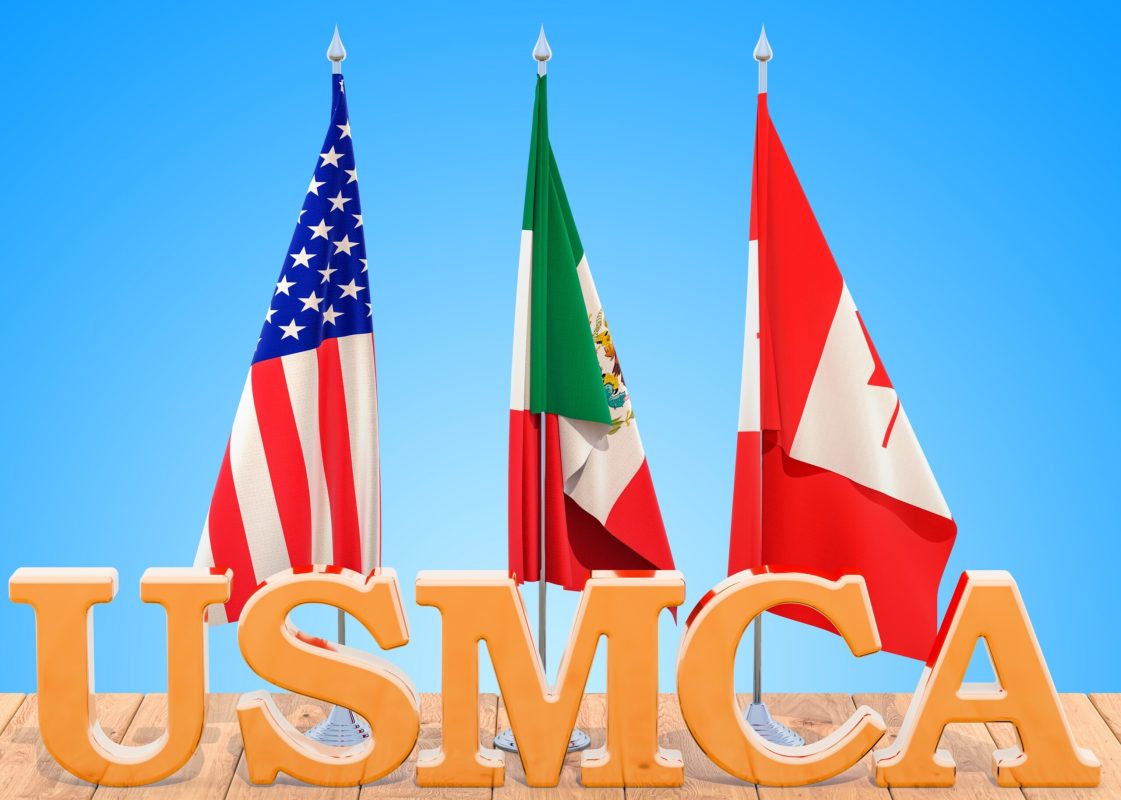
Why USMCA Matters
Ford and its rivals run deeply integrated supply chains across the United States, Mexico, and Canada, with components crossing borders multiple times before a vehicle is finished. Farley is effectively arguing that any disruption to that system risks higher costs, slower production, and less certainty for long term investment.
That concern is already tied to the wider affordability debate, including scrutiny over why vehicles have become so expensive, a question that continues to follow Ford leadership in Washington.
What Farley Is Warning About
The central issue is uncertainty, because trade rules, tariffs, and enforcement decisions can change faster than product cycles and factory planning. If cross border flows become less predictable, automakers may need to duplicate sourcing, hold more inventory, or shift production, all of which adds cost.
It also intersects with powertrain strategy, because companies are trying to balance emissions rules, customer demand, and cost targets, while still keeping enthusiast nameplates alive through approaches like the hybrid pathway Ford has been signalling for its V8 future.

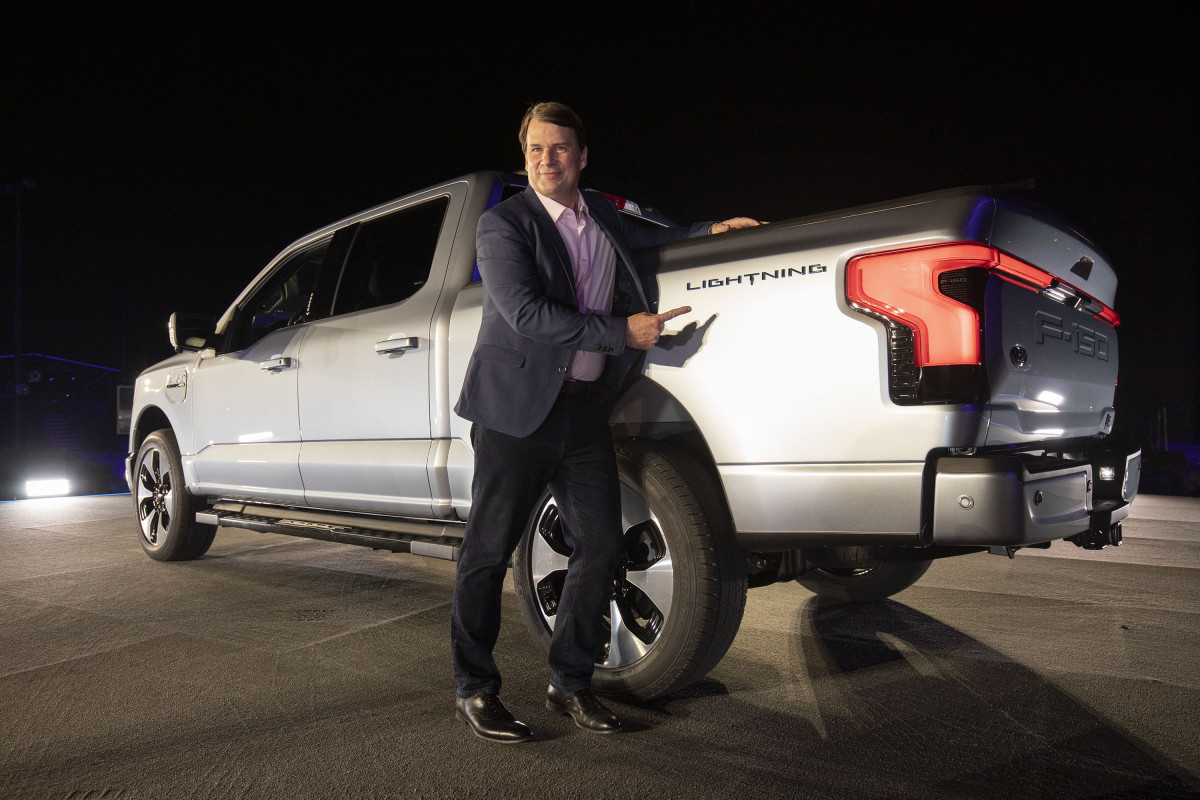
Vince Mignott/MB Media/Getty Images
What Comes Next
The USMCA review process will shape planning for the rest of the decade, especially for companies that build vehicles and powertrains in more than one North American country. Ford is signaling that the industry needs clarity not just on trade, but on the wider policy environment that influences pricing, model mix, and investment.
The stakes are not limited to factories, they extend to fleet operators, dealers, and public sector buyers, including the kind of real world demand where vehicles are expected to perform without supply constraints, showed by Ford’s expanding deployment of Broncos into search and rescue missions.


There are no reviews to display.