


More Than Just Horsepower
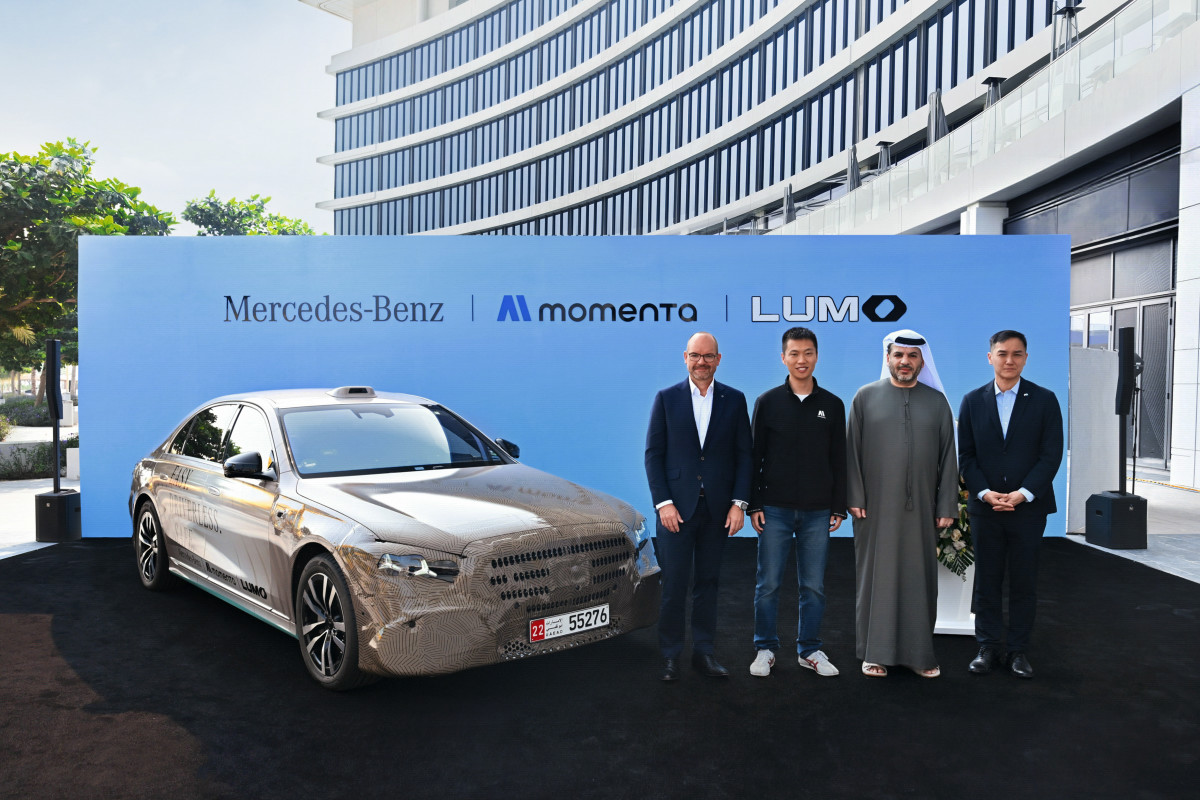
A report from The Register states that Micron Technology CEO Sanjay Mehrotra predicted on a company earnings call that an SAE Level 4 automated driving system would require more than 300 GB of RAM. That level of capability would help ensure sensors, cameras, and lidar work together to enable near-fully autonomous driving within specific operating conditions.
That is a huge amount of memory. Most videos shared online can be edited on a computer with as little as 16 GB of RAM, while more professional workflows may require 32 GB or more. By comparison, today’s vehicles typically use far less memory, with averages around 16 GB. Such a jump in memory demand could drive up costs, especially as AI adoption accelerates, while also putting pressure on global memory supply.
The Cost Factor
Considering current market conditions, Level 4 autonomy may still be years away. Even Level 3 systems, which allow eyes-off, hands-off driving in certain conditions, are struggling to justify their costs as demand remains limited. BMW, for example, reportedly dropped its optional Personal Pilot L3 system from the 7 Series.
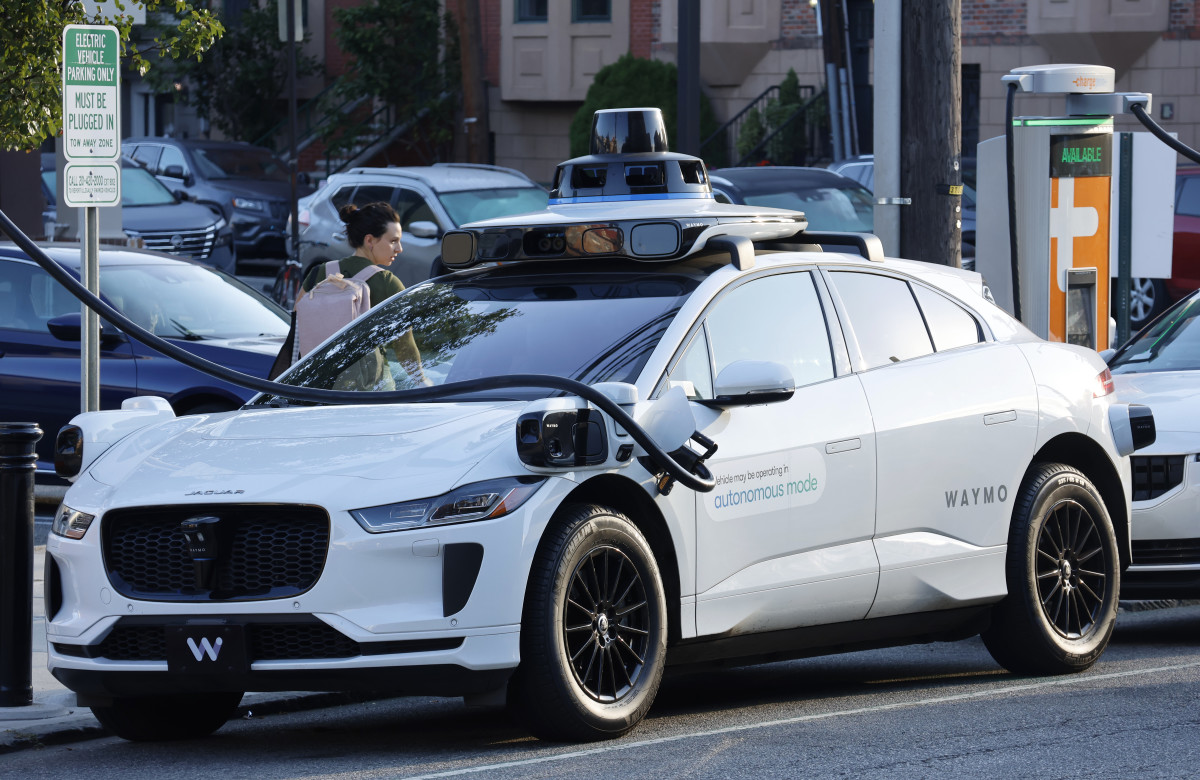
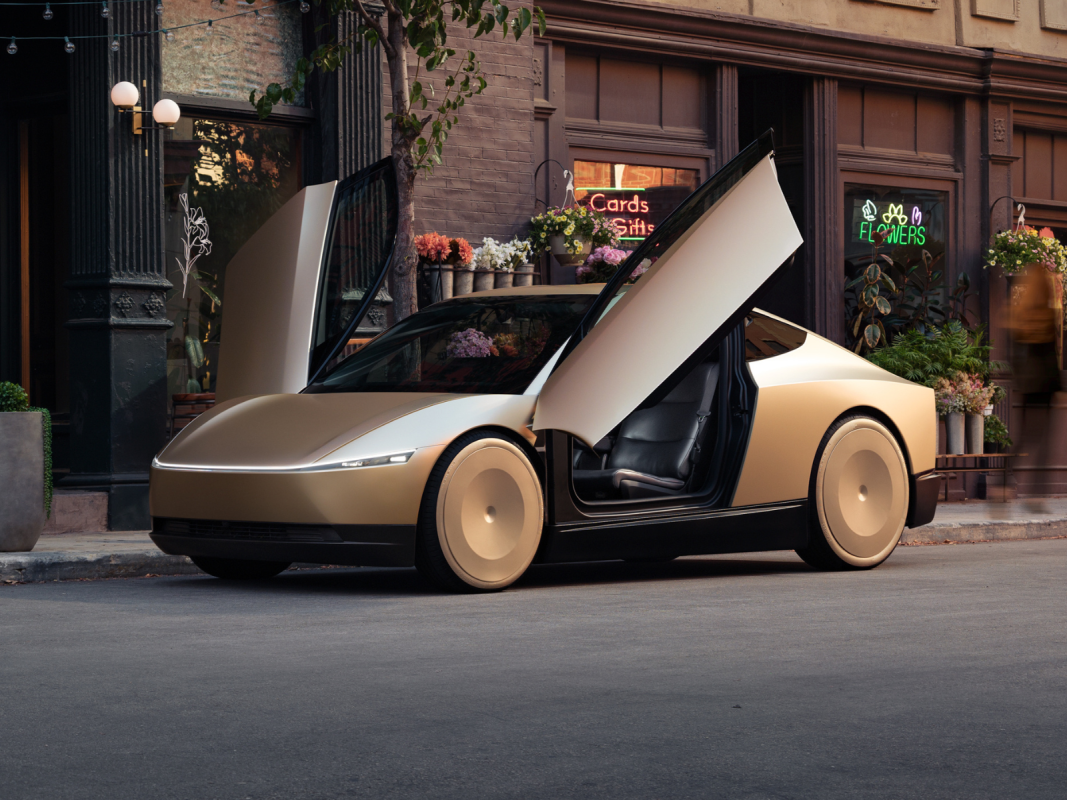
There are already Level 4 vehicles operating on public roads, most notably those used by robotaxi companies such as Waymo. Tesla also plans to enter this segment with its so-called Cybercab, which it says will be a two-seater designed for a fully autonomous robotaxi service.
But of course, these companies deploy their vehicles as revenue-generating assets, which helps justify the high cost of Level 4 technology. In mainstream, road-going models, however, that same cost would be harder to absorb and could translate into higher prices for consumers.
Getty Images
The Rise of Intelligent Machines
In addition to cars, Micron Technology’s CEO also pointed to robotics as another use case for 300 GB of RAM. If robots become the next major technological breakthrough, they could further strain the global memory supply. Tesla is one automaker already pushing into this sector and, according to recent reports, is discontinuing the Model S and Model X to make room for production of its Optimus humanoid and Cybercab robotaxi.
It remains to be seen how this will play out, though it does seem to be where the market is heading. As automation becomes more central to modern vehicles, cars once criticized for lacking driver aids, such as the Dodge Viper, may start to look more appealing to purists.


There are no reviews to display.