


Lawsuit Refiled
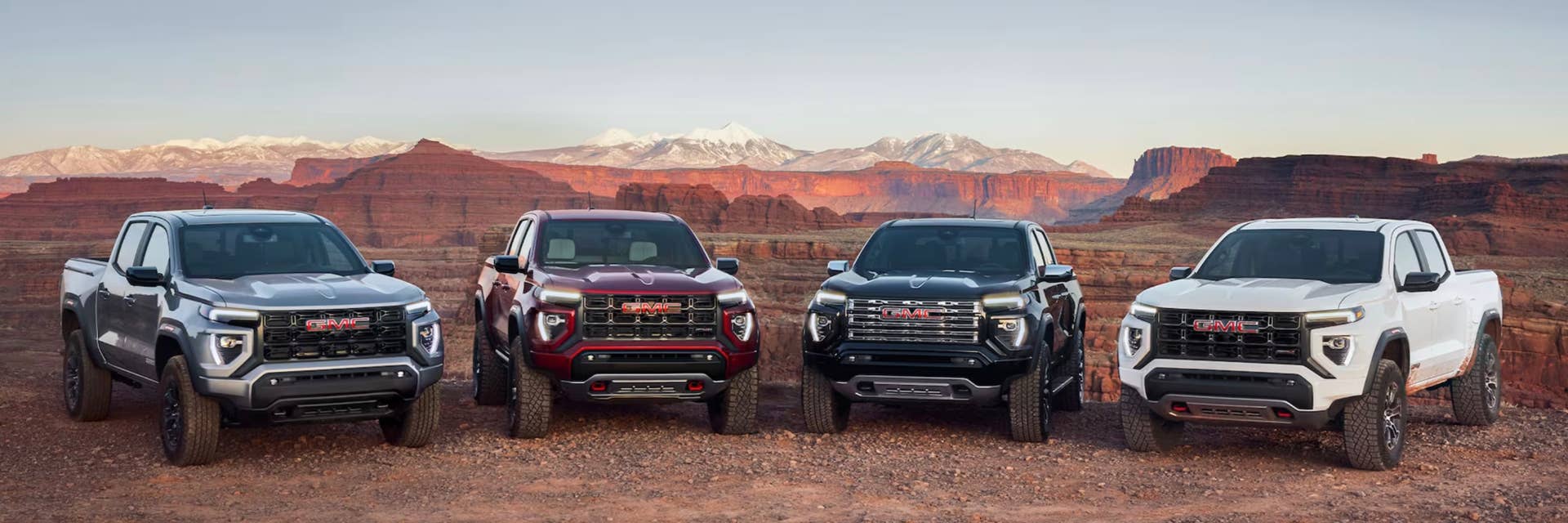
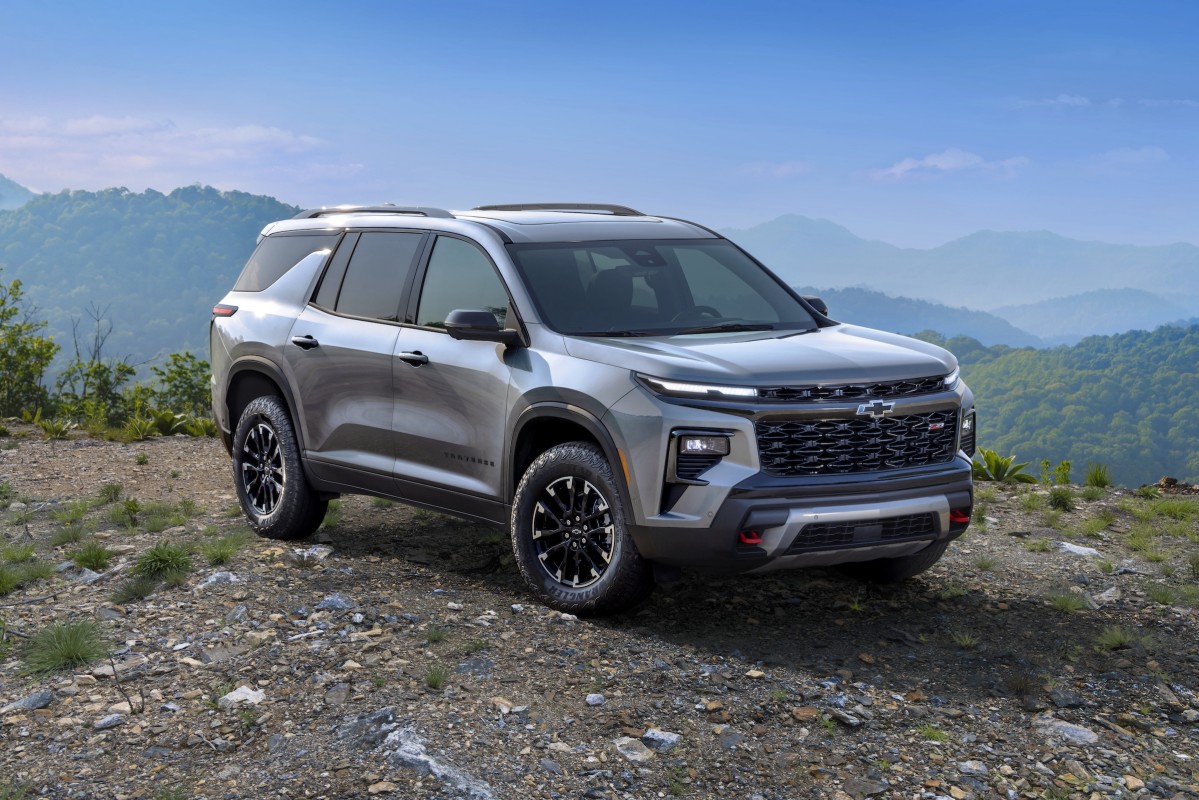
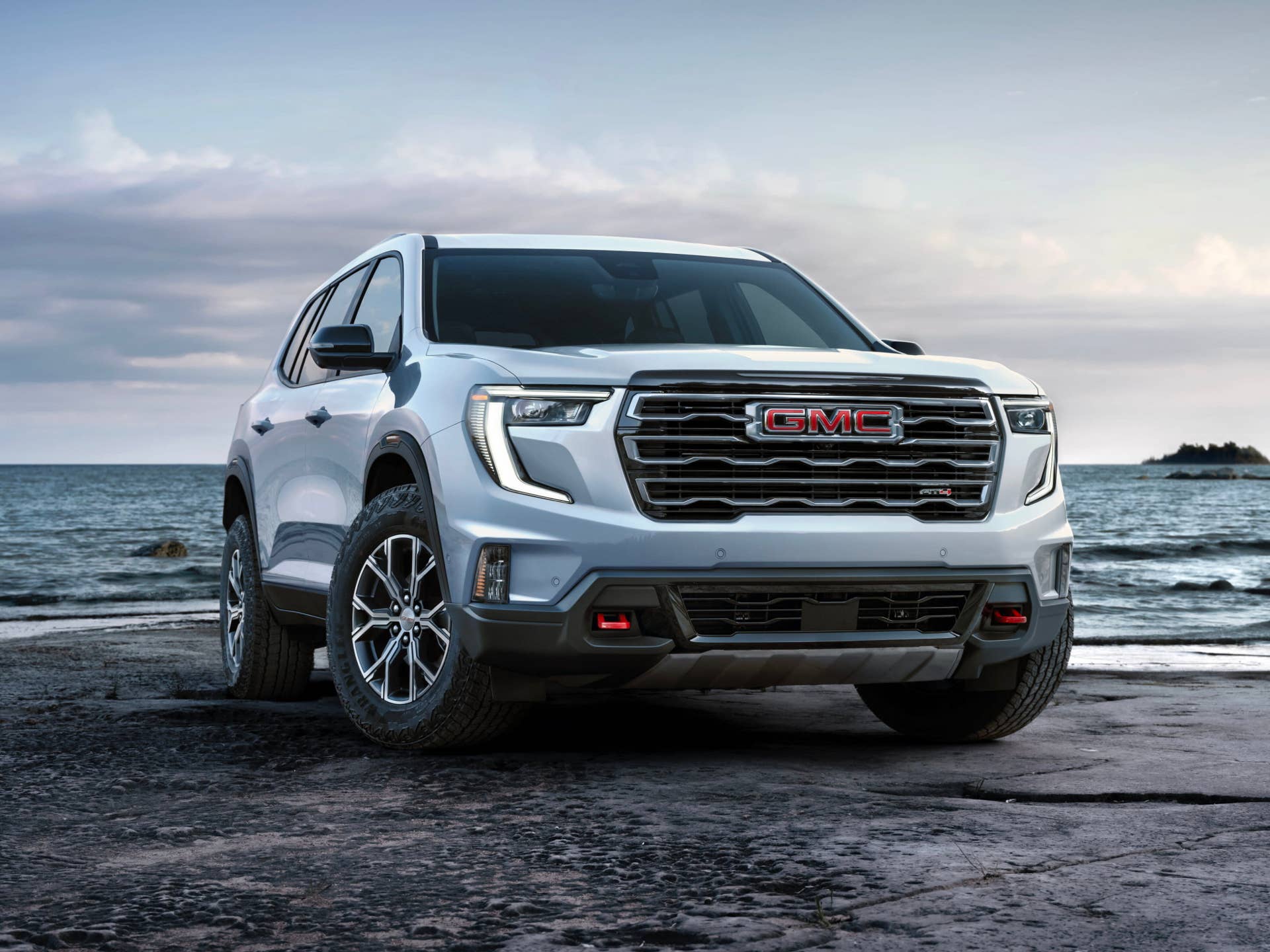
A class action lawsuit filed by plaintiffs in Pennsylvania, New York, and Missouri alleges that GM neglected to issue a recall for faulty brake master cylinders that were prone to failure. As per the filing, the affected 2025 model year vehicles are the Chevrolet Traverse and Colorado, GMC Acadia and Canyon, and the Buick Enclave. This is a refiling of the October 2025 lawsuit that now includes Missouri, in addition to Pennsylvania and New York, and includes all persons or entities who leased or purchased any of the above-mentioned five models in these states.
GMC
The Alleged Issue
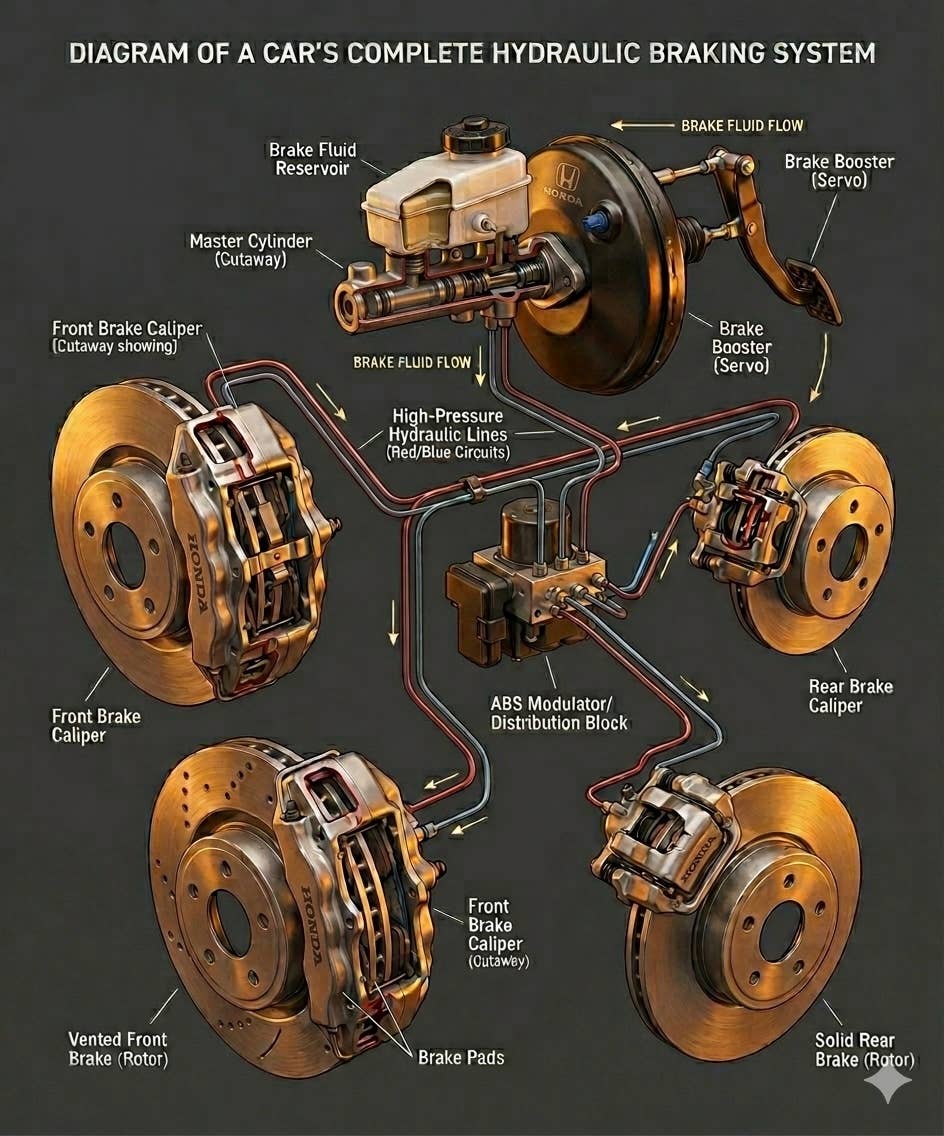
According to court filings, the issue stems from faulty internal seals within the master cylinder. Failure of these seals leads to a loss of hydraulic pressure, brake fluid leaks, and ultimately brake failure. Drivers report seeing red warning lights indicating faulty braking systems and malfunctioning ABS systems, as well as ‘Service Brake System’ dashboard messages. Complaints also include brake pedals either locking up or, conversely, going all the way to the floorboards, combined with extended stopping distances and even complete brake failure.
The Plaintiffs
Pennsylvania plaintiff Eric Barron had the master cylinder on his 2025 Chevrolet Traverse replaced for free by GM after it failed. In addition to claims for violations of the Pennsylvania Lemon Law, breach of express warranty, breach of implied warranty of merchantability, fraudulent concealment, and unjust enrichment, his complaint includes the fact that the loaner vehicle provided by GM while the repairs were carried out was smaller than his Traverse.
Chevrolet
New York plaintiff Chelsey Thompson also owns a 2025 Chevrolet Traverse and had GM replace the master cylinder for free after it failed. The complaint claims that GM violated the New York Lemon Law and the express warranty, and goes on to claim that GM is guilty of breach of express warranty, breach of implied warranty of merchantability, fraudulent concealment, and unjust enrichment.
The newest plaintiff is Simon Moeller from Missouri, who experienced a brake master cylinder failure in his 2025 GMC Acadia. He too sued GM over violations of express warranty, breach of implied warranty of merchantability, fraudulent concealment, and unjust enrichment, after GM replaced the faulty component for free.
GM Responds
General Motors has responded to the allegations by noting that all affected vehicles were repaired free of charge, adding that the plaintiffs’ vehicles were not covered under a prior service bulletin addressing similar issues in the 2024 Chevrolet Traverse and 2025 Buick Enclave. The lawsuit, however, counters that the same brake components are used across multiple vehicles, hence extending the risk beyond those officially acknowledged in the service bulletin. The lawsuit, Barron, et al., v. General Motors LLC, has been filed in the U.S. District Court for the Eastern District of Pennsylvania, with the plaintiffs being represented by Sergei Lemberg.


There are no reviews to display.