




The L87 Recall Drama So Far
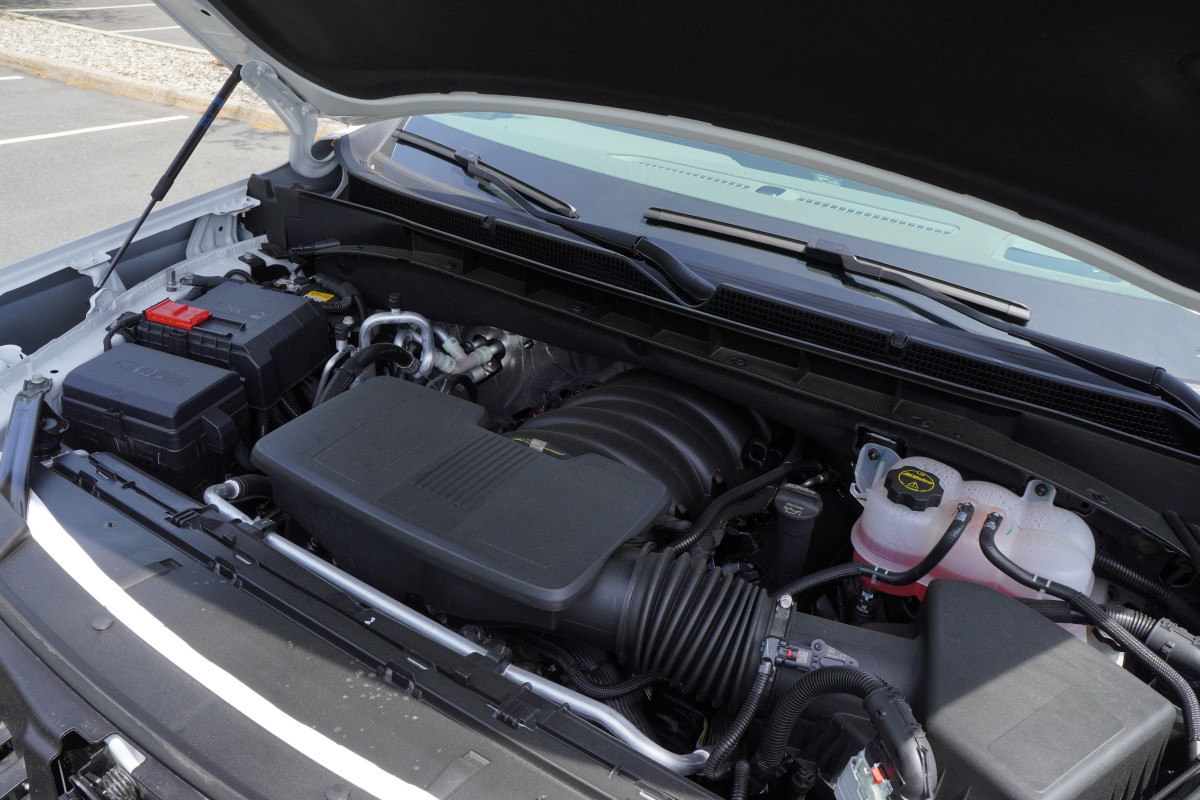
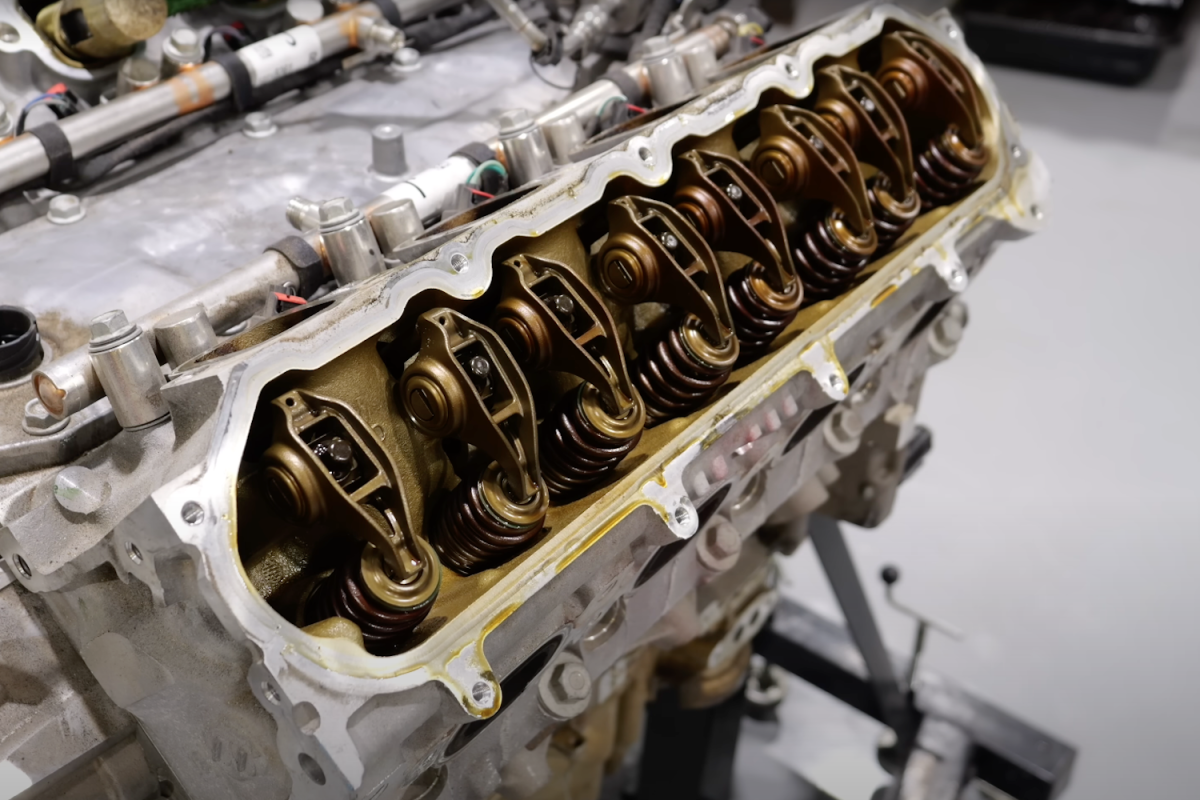
GM's current 6.2-liter V8 made headlines for all the wrong reasons in 2025. Internally known as the L87, it's been slapped with recalls and lawsuits since April of last year. The reason? It's mainly due to manufacturing defects in connecting rods and crankshafts. It would fail without warning, and there are some cases wherein it would blow up with very low miles.
With over 1,000 complaints, GM is now facing multiple class-action lawsuits over the L87 engine. The company has suggested changing the oil viscosity, but it was still failing, nonetheless. The Feds have gotten involved in the matter, and the investigation has kicked into high gear, according to the ODI documents published by the National Highway Traffic Safety Administration (NHTSA).
James Ochoa
NHTSA Steps In
NHTSA has now opened a probe into the whole matter. At the time of writing, GM has recalled 721,000 vehicles worldwide, with 597,571 in the U.S alone. But what the agency will also investigate are the post-recall engines and those that followed the advice of using thicker oil. The agency also notes "failures of both remedies" in its latest filing.
Why is a safety agency involved in this? For starters, it's NHTSA that keeps track of all recalls in the U.S. Secondly, the sudden loss of power at highway speeds is a major cause for concern. With that, NHTSA is raising questions about GM's solutions regarding the engine and truly pinpointing the main reason behind the failures.
Chevrolet
The Band-Aid Solution
The recall was first issued in April 2025, and GM recommended the use of 0W-40 oil instead of 0W-20. In theory, the thicker oil should provide more wear protection by coating the cylinders with a more protective layer. However, the adverse effect of that higher fuel consumption was the least of the problems.
Even with the proposed solution, cases continued to rise. Even replacement engines were failing at some point, so there's more to it than just changing the oil. Since then, NHTSA has received 36 Vehicle Owner Questionnaires (VOQs) stating that the oil change still resulted in engines giving up. One of the suits alleges, "owners are presented with two bad options: do nothing and risk catastrophic engine failure or get the recall and pay hundreds of dollars more for gasoline."
I Do Cars/YouTube
The Affected Vehicles
If you're reading this and own a full-sized GM pickup or SUV, you can relax if yours is equipped with the 5.3-liter V8. But say you have the 6.2-liter and you're worrying if it'll be a ticking time bomb, check if your vehicle was built after June 1, 2024. GM says engines built after that are not affected by the defect.
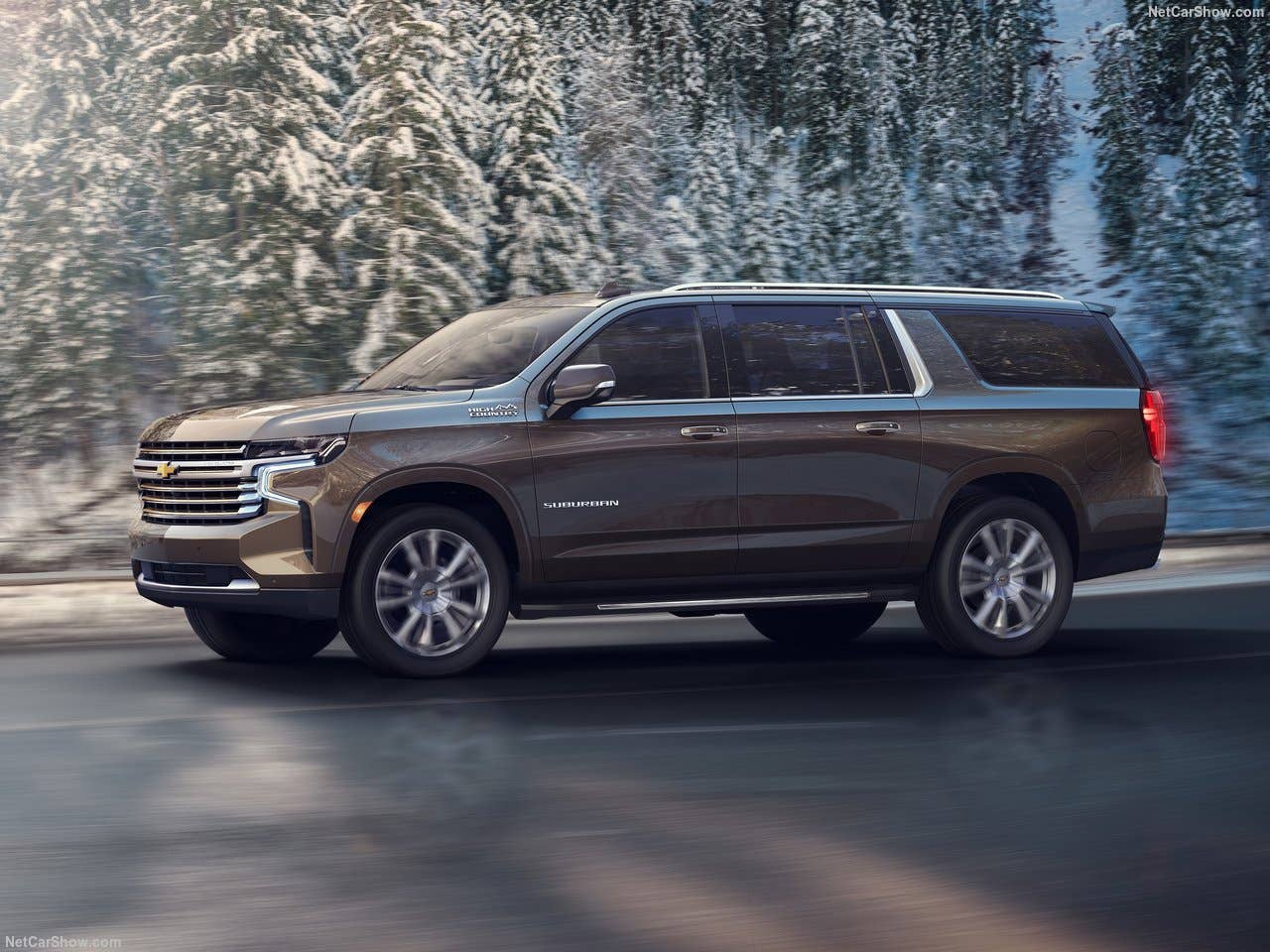
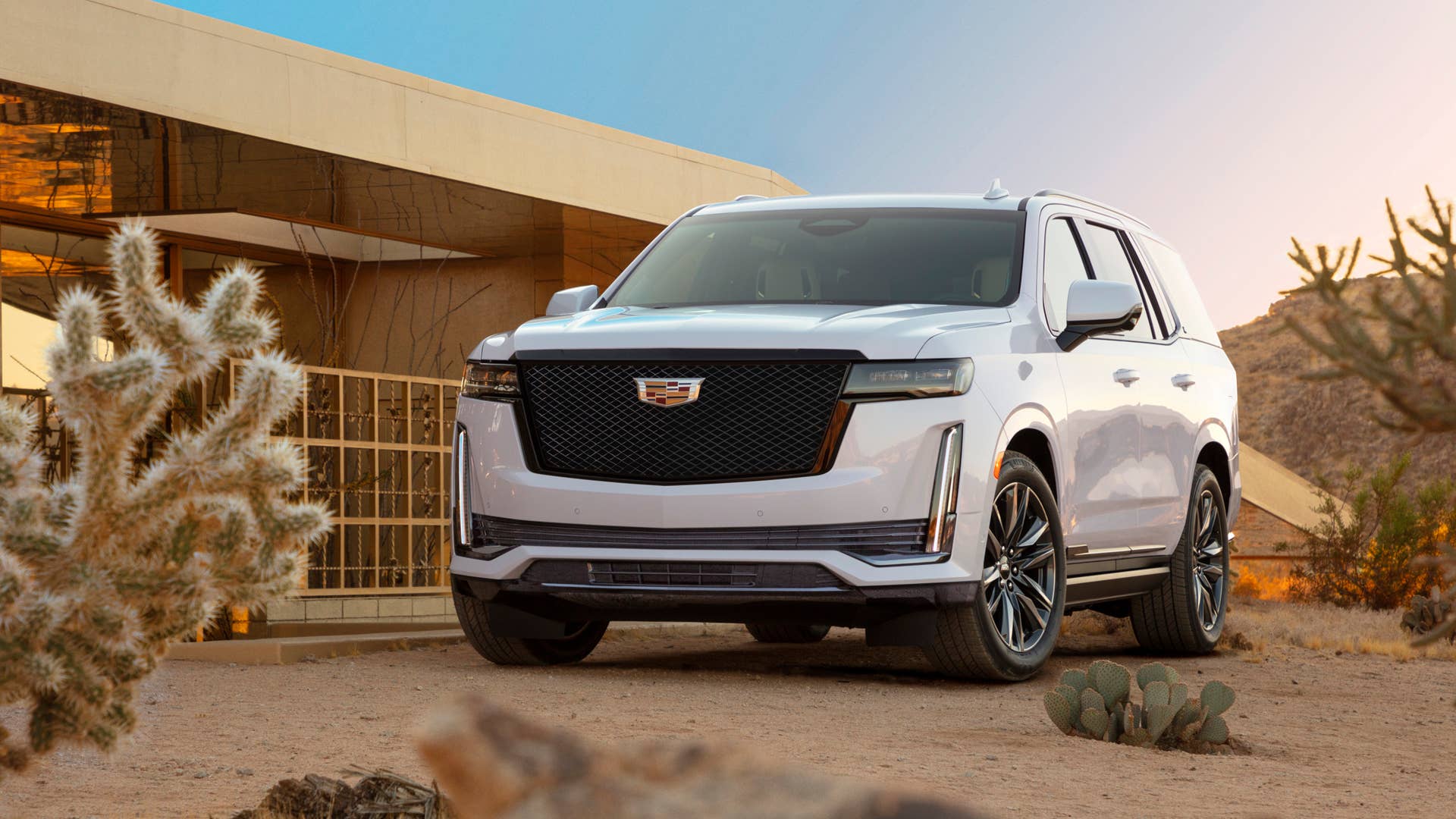
The L87 engine is optional on several trims of the Chevrolet Silverado, Suburban, and Tahoe, as well as some GMC Sierras, Yukons, and Yukon XLs. It is, however, standard on High Country versions of the Silverado, Suburban, and Tahoe, Denali (and up) versions of GMC's full-size range (except HD trucks), and the Cadillac Escalade.


There are no reviews to display.