




Two-thirds of Detroit's Big Three have just learned the hard way that over-investing in electric vehicle technology before the market is ripe for selling them — albeit in a bid to get a jump on the competition — is a multi-billion-dollar mistake. After Ford announced a whopping $5.1 billion loss from its EV business alone in 2024, General Motors has posted even worse figures, with the automaker expecting to "take a $6 billion hit as a result of its stalled electric vehicle transition," reports the Financial Times. The loss was disclosed in a regulatory filing on Wednesday, causing share prices to fall by as much as 1.9% in after-hours trading following the disclosure.
Why Detroit's Big Three Are Reeling
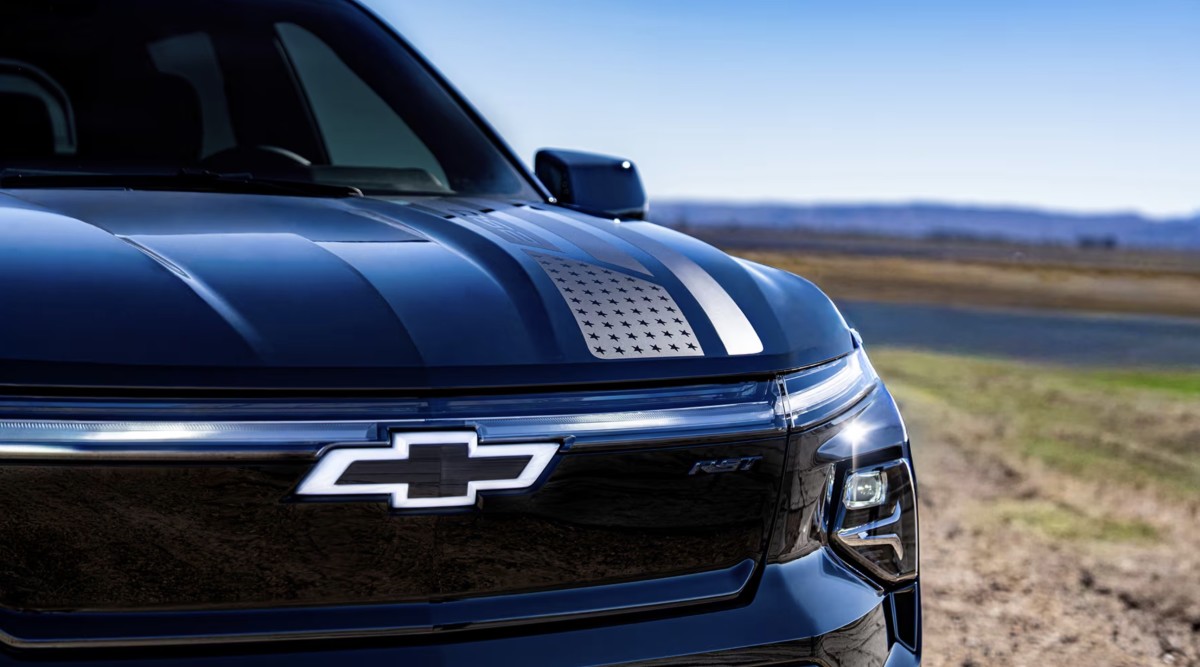
Chevrolet
While it's well-known that EV demand from consumers has been steady, growth rates have fallen over the last five years, and after President Trump axed the $7,500 federal EV credit, those who could afford to buy a new EV became an even smaller minority. General Motors' EV sales fell by an eye-popping 43% between the third and fourth quarters (with a total of 169,887 EVs sold in the U.S. in all of 2025), indicating that the tax credit was a big motivator for many buyers. "With the termination of certain consumer tax incentives and the reduction in the stringency of emissions regulations, industry-wide consumer demand for EVs in North America began to slow in 2025," said GM in its filing. "As a result, GM proactively reduced EV capacity." And that's not the only reason that GM CEO Mary Barra will be sweating in shareholder meetings.
Related: Porsche: "We Were Wrong" to Replace the Gas Macan with an EV
The same filing revealed that General Motors recorded a $1.1 billion service charge relating to the restructuring of its business in China, where local competition has exploded over the last year. In fact, China is projected to become the world's leading auto seller for the first time ever, beating even the mighty Japan. And the pain isn't over just because a new year has started, either.
More Losses Expected in 2026
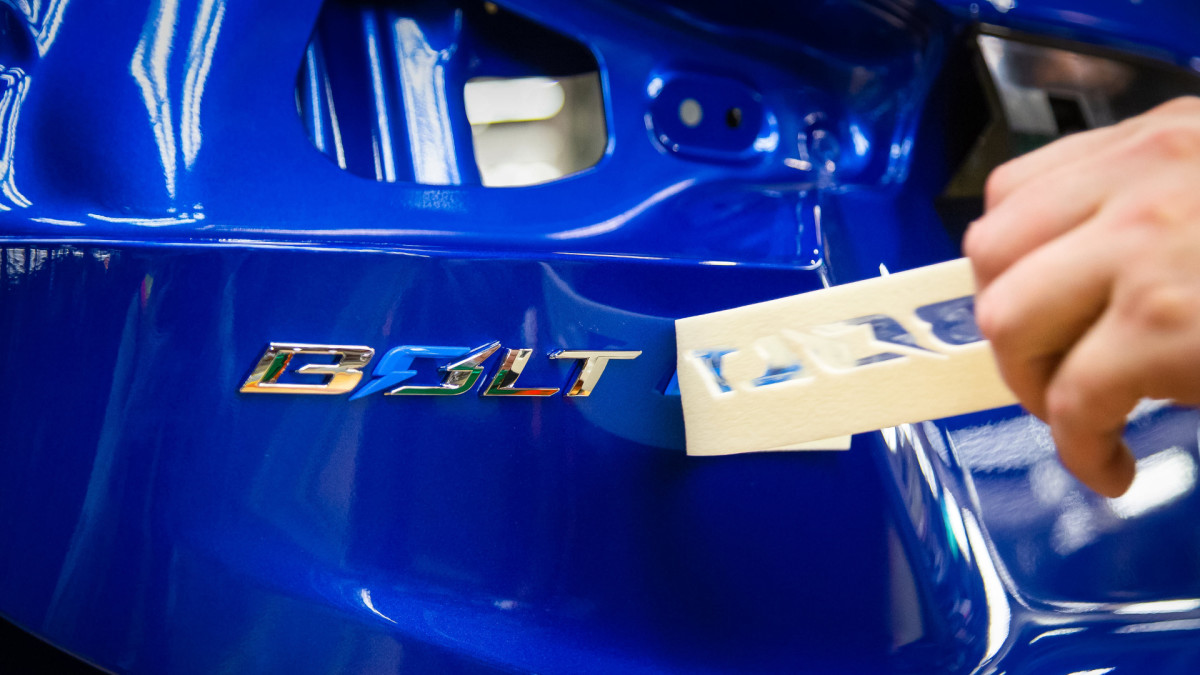
GM's filing didn't explicitly blame the EV tax credit's abolition for the company's losses, and it was similarly tactful in revealing that Trump tariffs will continue to negatively impact the business in 2026: "We expect to recognize additional material cash and non-cash charges in 2026 related to continued commercial negotiations with our supply base, which we believe will be significantly less than the EV-related charges incurred in 2025," said the filing. With Chevrolet's new Bolt EV targeting a starting price of less than $29,000 in base LT form, there's still hope for GM to make a success of its EV business. Then again, with that car's battery to be supplied by China's CATL, who knows what the future holds?


There are no reviews to display.