


Hands-free driving tech that allows cars to travel on highways with minimal driver input is becoming an ever more common feature in new models, despite ongoing concerns around the safety of such systems, according to a report by the Wall Street Journal.
Systems like Tesla’s Autopilot, GM’s Super Cruise and Ford’s BlueCruise are now an accepted feature of plenty of new cars, in spite of a spate of sometimes-fatal crashes and misunderstandings around the tech cited by the WSJ.
BlueCruise More Popular Than Ever
Ford
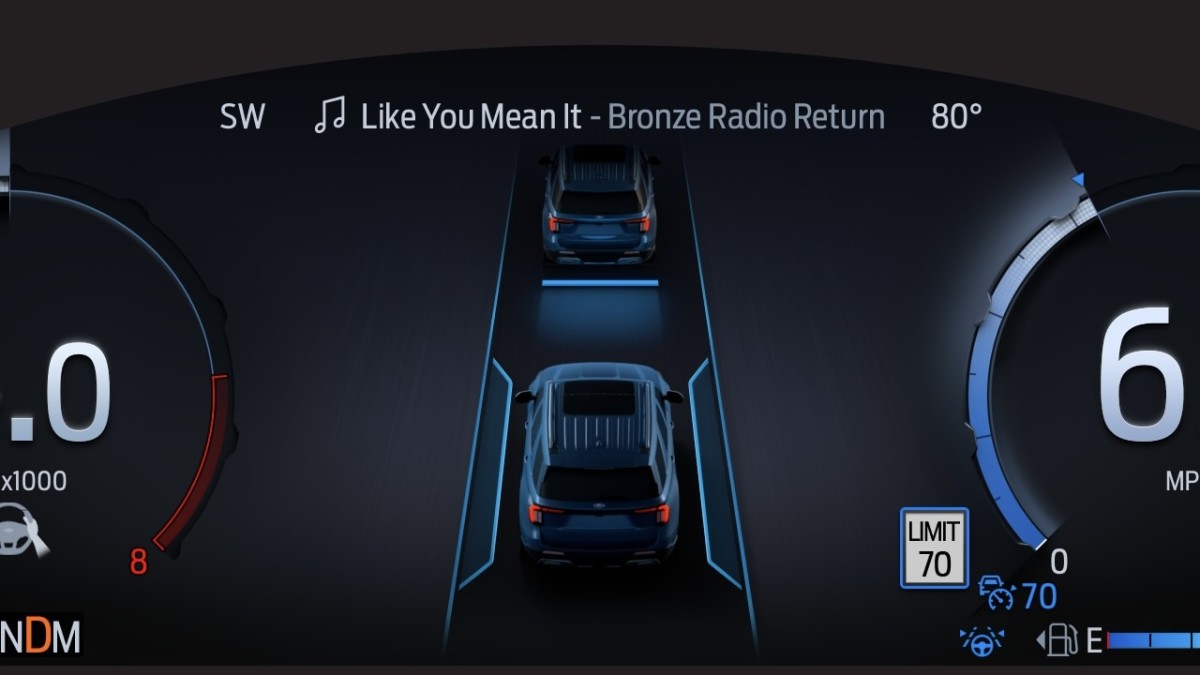
Just a couple of weeks ago, Ford put out a press release reporting that the distance driven in the US in 2025 using its system, BlueCruise, was 264 million miles – an 88% increase over 2024. The system, which regulates speed and provides steering inputs, was launched in 2021 and is now available on a total of nine models across the Ford and Lincoln brands.
Clearly, systems like this aren’t going anywhere, despite a series of high-profile accidents that have allegedly taken place with them active. The most recent one cited by the WSJ took place in May last year, when a couple travelling in a Ford F-150 near Toledo, Ohio, had to be extracted from the truck when it hit a guardrail and rolled over – apparently after the driver had applied the brakes but the truck instead sped up.
Investigation into the crash is still ongoing, but according to the Journal, passenger Padmalaya Pepalu – whose LinkedIn profile states she works for Ford as an analytical design manager – says the system had failed to disengage. Ford itself, meanwhile, says that its data shows that the system had disengaged, and hadn’t been active for at least 20 seconds before the crash.
Claims of Confusion
Ford
The NHTSA isn’t commenting on the incident yet, as the investigation is still ongoing, but the agency’s administrator, Jonathan Morrison, has reiterated that the systems are only designed to assist the driver and not take over entirely: “The systems available in today’s vehicles are driver assistance systems: you’re driving.”
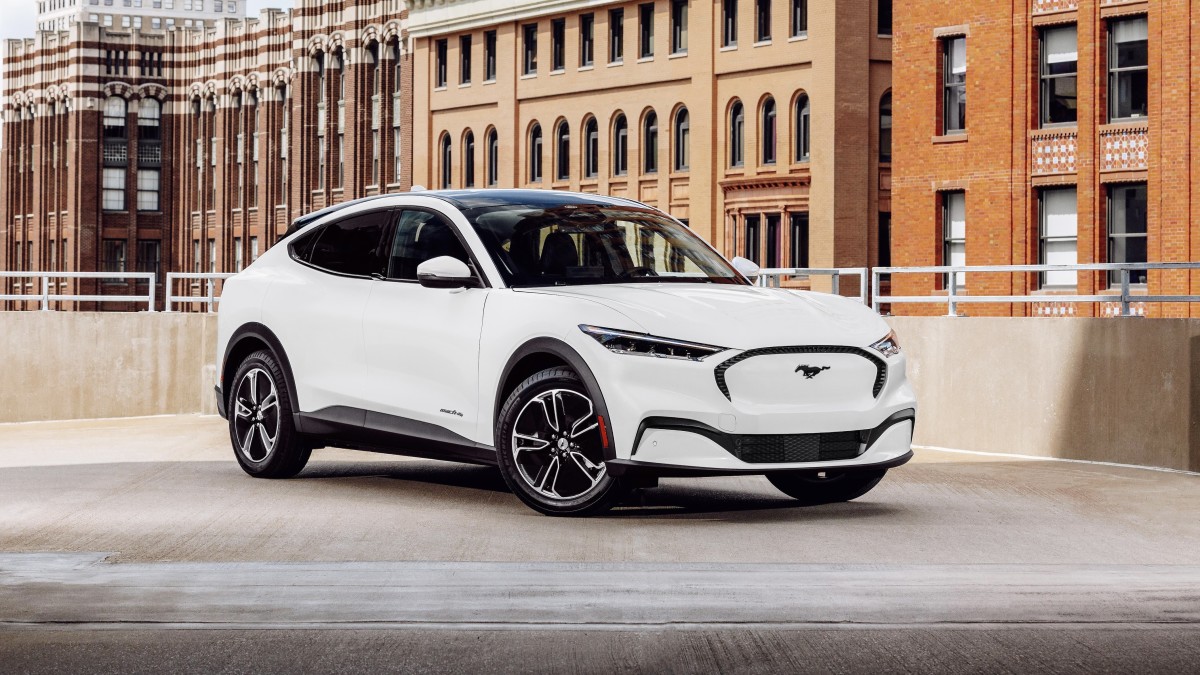
Nevertheless, this isn’t the first time the tech has come under scrutiny. An NHTSA probe into BlueCruise was launched in 2024 following a pair of fatal incidents in which Ford Mustang Mach-Es collided with stationary vehicles on highways during the nighttime. It found that in both cases, the drivers failed to take evasive action, but also that BlueCruise is designed to not slow the car in response to stationary objects at above 62 MPH, to prevent it incorrectly reacting to inanimate objects and causing ‘phantom braking’.
The WSJ, meanwhile, says it’s reviewed unredacted documents from 2018 and 2019, during the testing phase of BlueCruise, that identified “common areas of confusion” for those involved, who were using GM’s rival Super Cruise system. However, those same tests showed that drivers quickly adapted to the systems, and Ford says it made numerous changes ahead of making BlueCruise available in 2021.
Tech Not Going Anywhere
Chevrolet
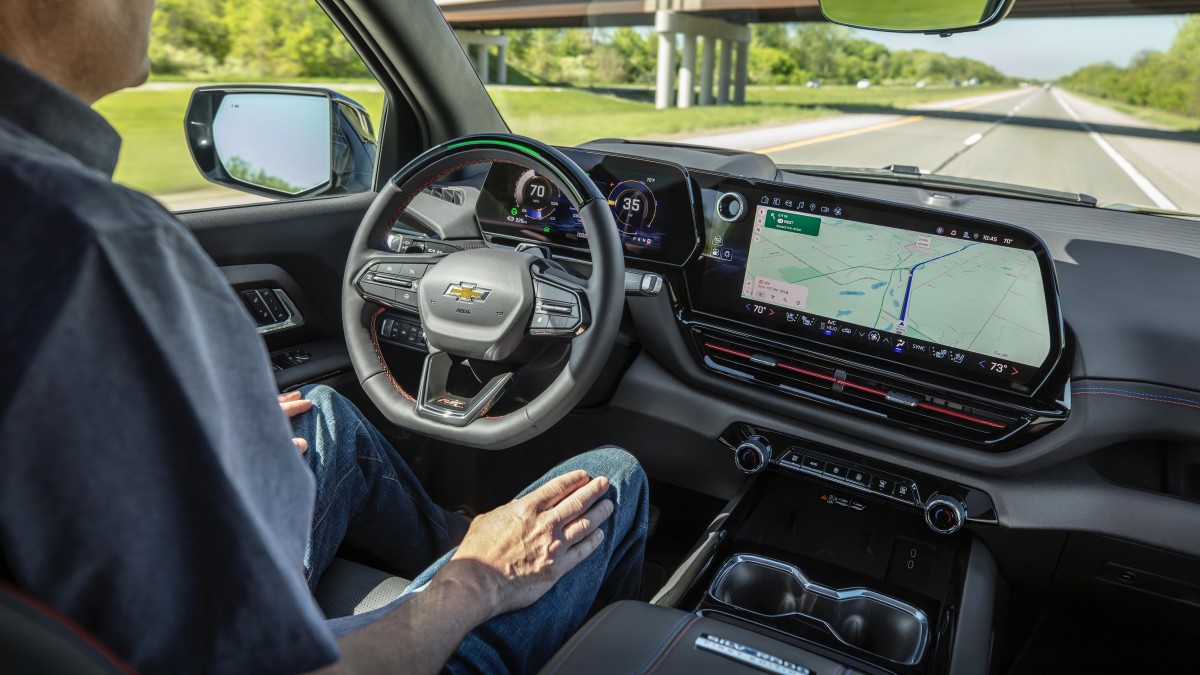
One thing’s clear – despite the safety scrutiny, automated driving tech like BlueCruise is only going to become more prevalent. However, the most important thing for drivers to remember is that these aren’t full self-driving systems, and the tech and regulations that allow for fully unsupervised, automated driving are likely still some way off. Until then, these systems should be treated as providing assistance to human driving rather than taking over it entirely – something that both the NHTSA and the majority of car companies that use the tech have always been very clear on.


There are no reviews to display.