


After a 23-year run, Honda has formally announced it will terminate all four-wheel vehicle sales in South Korea by the end of 2026, while continuing to provide aftersales support to customers. This withdrawal exposes a brutal reality for legacy automakers attempting to survive in an arena dominated by tech-forward local giants and an aggressive influx of Chinese EVs.
Honda
A Victim of the Exchange Rate
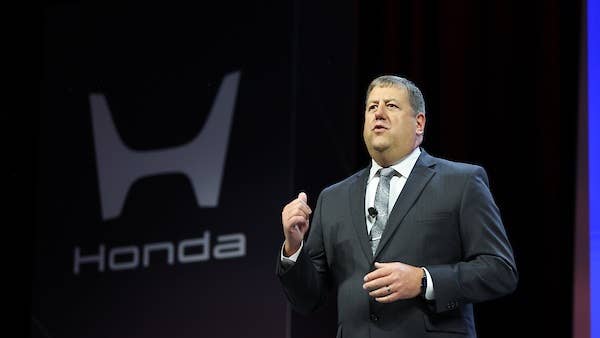
The official statement arrived via Honda Korea CEO Lee Ji-hong, who cited shifting global market conditions and severe exchange rate pressures, because Honda imports its Korean-market vehicles directly from its Ohio manufacturing plant. The persistently strong US dollar essentially vaporized the company's profit margins.
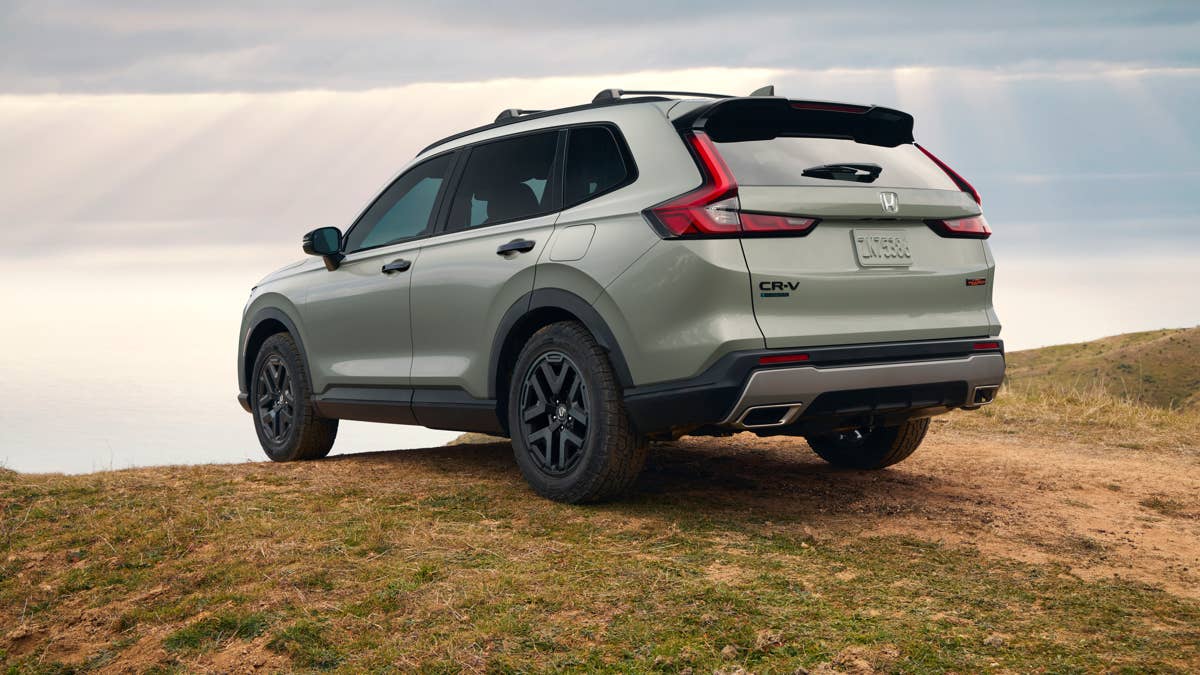
Last year, Honda managed to move a dismal 1,951 cars in South Korea—a sharp 22 percent drop year-over-year. The lineup had grown uncompetitive and stagnant, relying solely on aging staples like the Accord, CR-V, Odyssey, and Pilot.

Honda
The Global Bleed
This retreat highlights a much wider operational crisis. Honda is actively bleeding ground in key international zones as it struggles to pivot in an era where battery density and software dictate market share. In China, Honda's sales plummeted 24 percent in 2025, forcing immediate plant closures as local brands consumed the market.
Globally, the automaker has recently gutted its own electric vehicle ambitions, halting development on three new EVs—including the 0 Series SUV and Saloon—to fall back on a hybrid-focused strategy, as have many other legacy auto-makers in the wake of cliff-diving electric vehicle demand.
Honda
Local Competition
In South Korea, the automotive landscape is highly localized and fiercely loyal. Hyundai and Kia have aggressively improved their technological footing, leaving little incentive for domestic buyers to look toward Japanese imports. Combine that domestic dominance with the rapid encroachment of BYD and Tesla, and Honda’s traditional internal combustion offerings look entirely misplaced in the South Korean market.
The writing has been on the wall: Nissan waved the white flag and exited South Korea in 2020, leaving Toyota as the sole Japanese legacy brand still fighting for passenger car sales on the peninsula.
Honda
Retreating to Two Wheels
To stop the financial bleeding, Honda is pivoting strictly to what it still dominates: two wheels. The brand will retain its highly profitable motorcycle division, which currently holds a commanding 40 percent share of the South Korean market. For existing car owners, Honda is legally mandated to maintain after-sales service, vehicle maintenance, and parts supply for the next eight years.
The bottom line is about resource preservation. Honda is actively trimming dead weight across the globe to redirect capital toward regions where it actually stands a chance of long-term survival. For the rest of the legacy automotive establishment, Honda’s exit serves as a blaring warning siren. If your product lineup relies on analog-era momentum and ignores the aggressive pace of innovation, your market share will evaporate.


There are no reviews to display.