




Honda’s next tiny EV will not rely on cuteness alone. The 2026 Honda Super-One, a city-sized electric hatch spun from the N-One kei car, is being engineered to meet full safety rules in markets like Australia and Europe rather than sliding in as a grey import curiosity.
The pitch is quite simple, it comes with all the charm of a kei car, with crash protection and driver assistance that feel much more like a regular family car.
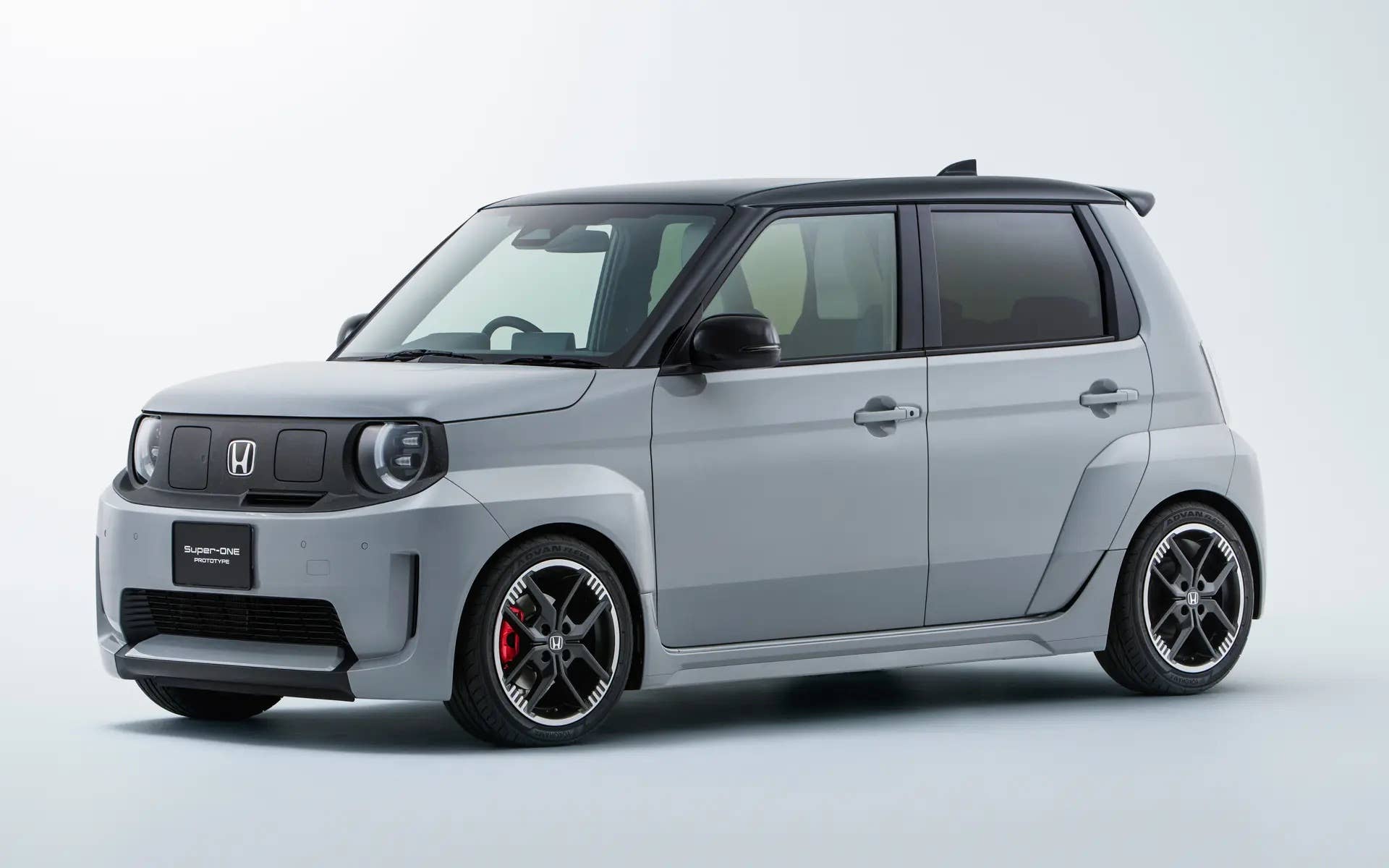
A Kei-Based EV That Is Not Really A Kei Any More
Under the skin, the Super-One starts with the N-One e platform, then stretches and widens it so it no longer counts as a kei car. That extra footprint gives Honda room for more structure, a wider track and a battery pack under the floor that helps with stability. The styling keeps the upright, playful look but adds blistered arches, lower suspension and larger wheels so it reads as a small hot hatch rather than a micro-commuter appliance.
Power comes from a single motor driving the front wheels, closely related to the N-One e hardware but expected to make more than the kei-legal 47 kW. A battery of around 30 kWh targets roughly 290 km of WLTP range, which is plenty for the dense urban use this car is aimed at. Honda has even given it a Boost Mode with simulated shifts, sound and vibration, a similar philosophy to the way it has put more character into hybrids like the Civic..
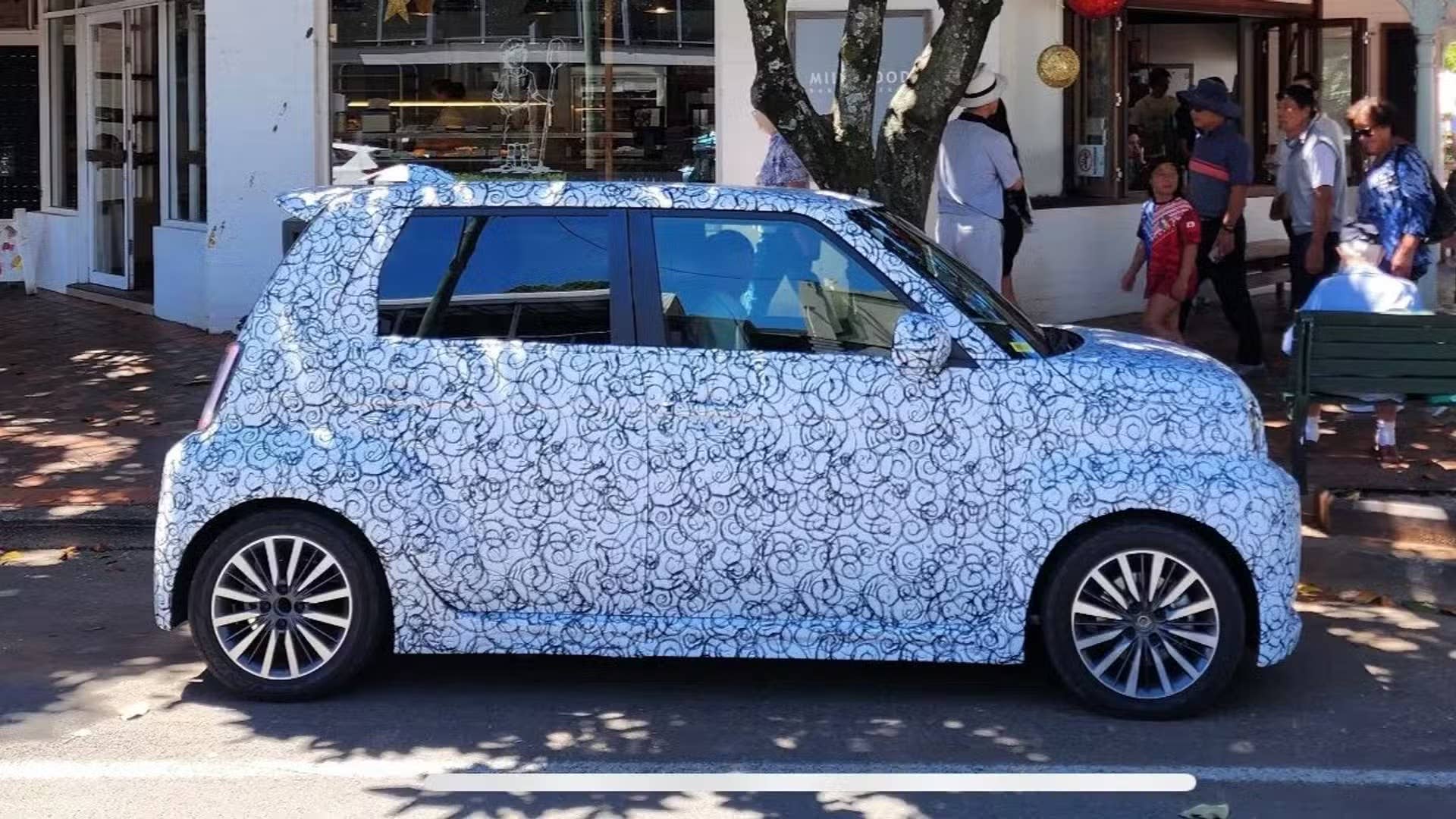
Designed Around Real Crash Tests And Driver Assistance
The headline claim that the Super-One will be “safer than the kei-car donor” is mostly about regulations. Many imported kei EVs have struggled to meet Australian Design Rules, especially the pole side impact test, and have been effectively blocked. Honda says the Super-One is being engineered from the outset to satisfy every ADR and to target at least a four star ANCAP rating. That is an ambitious target for something this small.
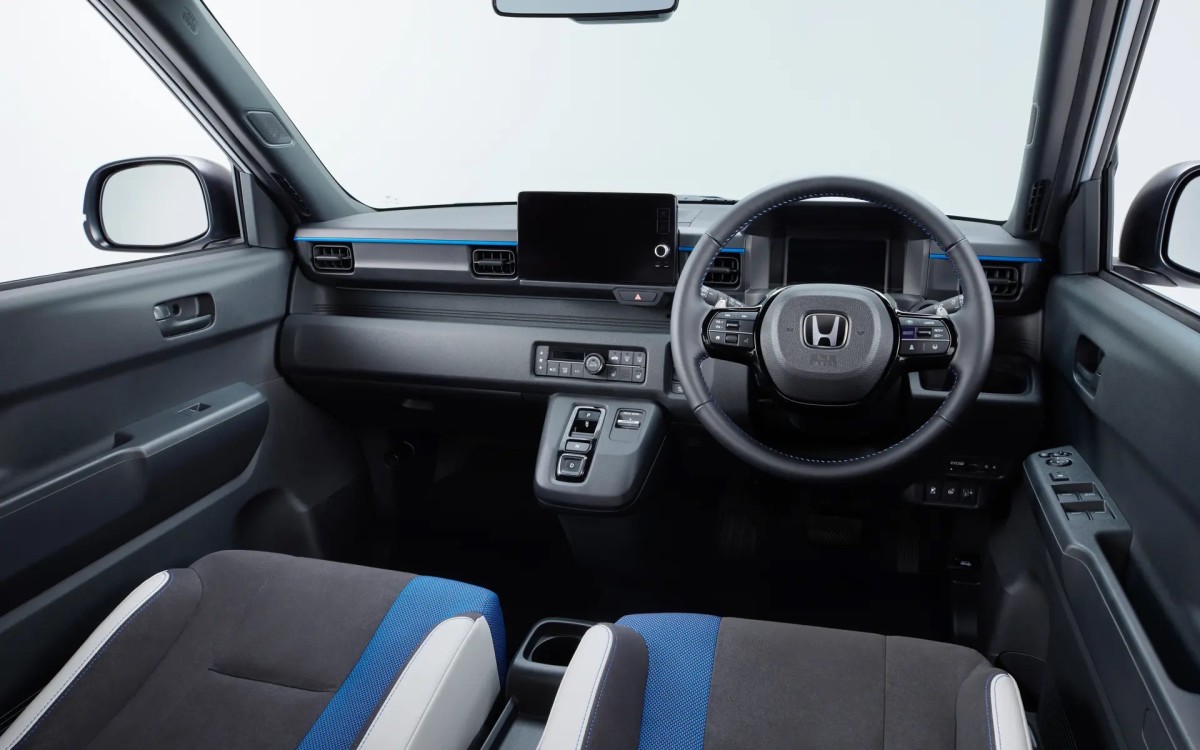
To get there, the car will carry the full Honda Sensing suite rather than a cut down version. Expect adaptive cruise, lane keep assist, automatic emergency braking, traffic jam assist, speed sign recognition and automatic high beam, all tuned for city work. It is a long way from the minimalist safety spec that older small Hondas carried, even if those early cars still have a following, from the Jazz or Fit through to the current hybrid crossovers.
Where It Fits In Honda’s Line-Up
Honda sees the Super-One as a proper entry level EV rather than a toy, which is why it will be sold through regular dealers in Japan, Europe, Australia and New Zealand. In the UK it will be badged Super-N due to a naming clash, but the idea is the same, a small electric city car that sits under mainstream models like Civic and CR-V.
Buyers who want more space and longer range will still be pointed toward hybrids such as the CR-V, where deals like current 2026 Honda CR-V Hybrid lease offers keep the bigger car in play for family duty.


There are no reviews to display.